
The best toaster oven size for a small kitchen is usually 0.5 to 0.6 cubic feet of interior space, with an outside footprint of roughly 16 to 19 inches wide and 12 to 14 inches deep. That size fits a 9-by-13-inch pan, toasts 4 to 6 slices, and still leaves usable counter space. Measure your counter depth before you buy anything.
Why size beats the box for a toaster oven
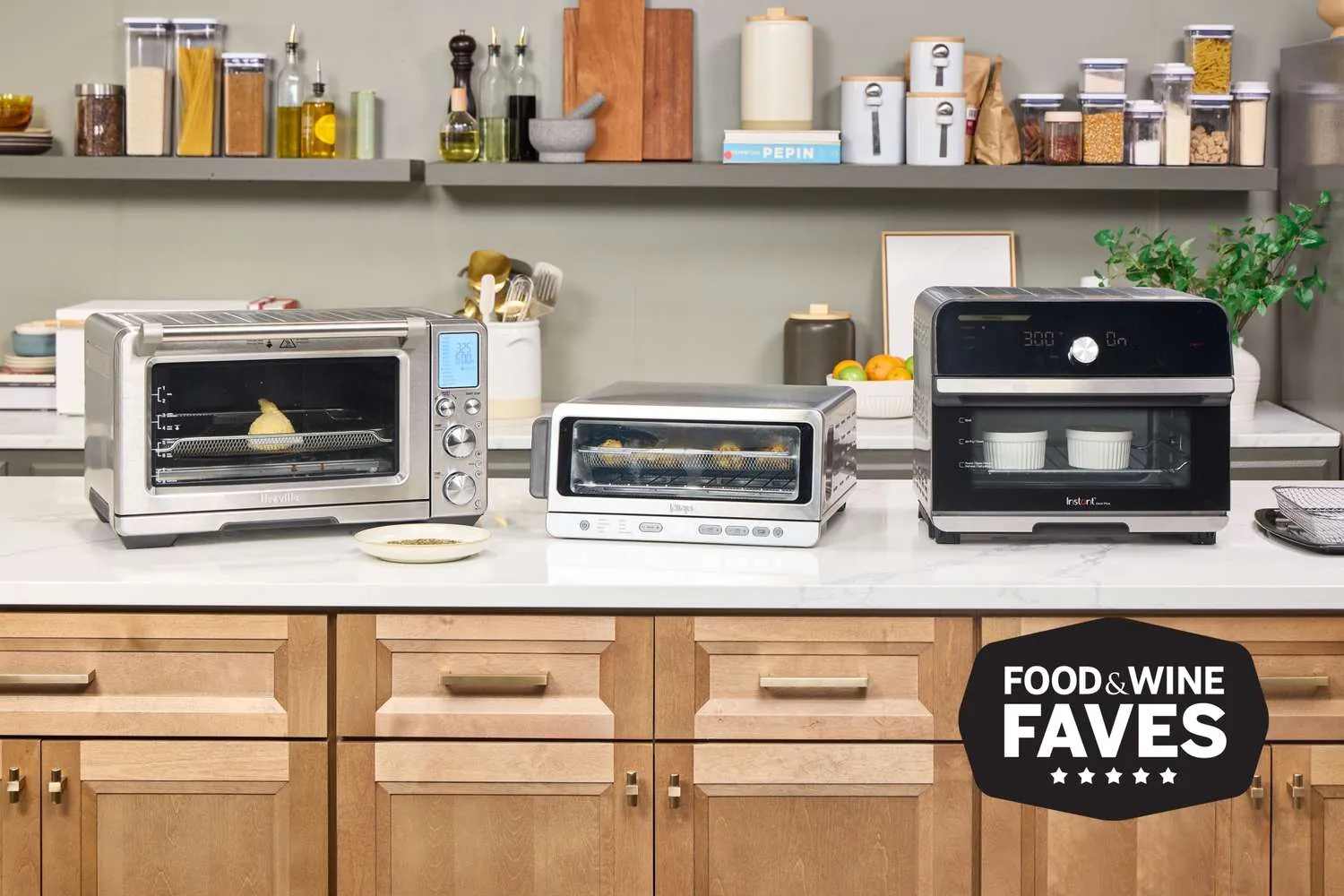
Manufacturers list outside dimensions and interior capacity side by side, and the two tell different stories. A 0.6 cubic foot oven can still eat 20 inches of counter if the handle, dials and rear vents stick out. So measure your counter depth first, then match the interior size to what you actually cook.
The mistake people make is buying by the number on the box alone. They order a 0.9 cubic foot oven because it looks small in photos, and it arrives too deep for the counter, blocks a cabinet door, or sits so close to the wall that the vents have no clearance. Check the manual’s clearance requirement before you order — most makers want a few inches of open space on every side.
Interior height decides what you can actually fit, and it’s the figure catalogs bury. A bird needs room to sit upright without its back touching the upper element; a roast needs a rack position low enough that its top clears the broiler. If you cook whole chickens or tall layer cakes, let interior height pick the model for you. If you mostly reheat and toast, width and depth matter more, and you can go smaller.
Clearance isn’t a suggestion. An oven pushed flush against a wall or tucked under a low cabinet traps heat, and the exterior gets hot enough to mark wood or warp a shelf above it.
How to pick the right size
- Measure your counter first. Take the depth from the wall to the front edge, and the width between anything fixed. Write both numbers down before you open a product page.
- Subtract the clearance. If the manual asks for 4 inches at the back, your usable depth drops by that much. A 14-inch-deep oven then needs 18 inches of counter.
- Match interior capacity to your cooking. For toast and small bakes, 0.5 cubic feet is plenty. If you want a 9-by-13-inch pan or a whole chicken, go up to 0.6 or 0.7.
- Check the rack positions. Two or three rack slots let you move food closer or further from the element. A single fixed slot limits what you can brown.
- Look at the door swing. A pull-down door needs clear space in front. A door that folds flat, or a side-hinged one, works better in a tight corner.
- Confirm the plug and circuit. Most countertop ovens run on a standard 120-volt outlet. If the wattage is high, don’t share that circuit with a kettle or coffee maker.
Tip: Take a photo of your counter with a tape measure in the shot. It’s the fastest way to check a listing against reality while you’re standing in a store.
Tip: If the oven sits under a cabinet, leave the clearance the manual names. Heat rises, and a tight gap is where cabinets get damaged.
How long setup and first use take
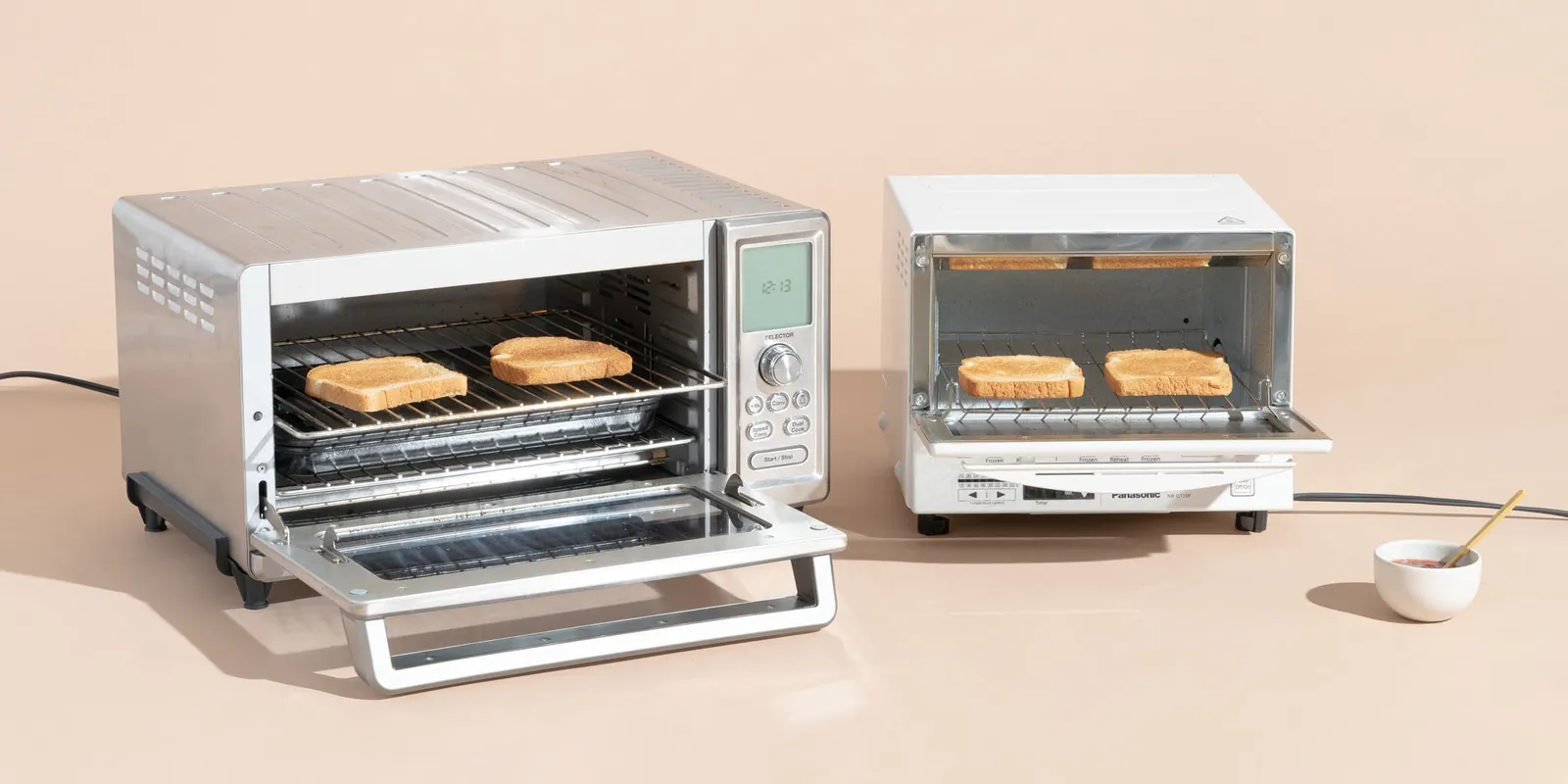
Unboxing and placing a countertop oven takes about 10 to 15 minutes. The first heating run is the part people forget — most makers ask you to run it empty for 10 to 15 minutes to burn off manufacturing oils.
| Situation | How long | What changes it | What to watch for |
|---|---|---|---|
| Unbox and place | 10–15 min | Packaging and counter prep | Clearance at the back and sides |
| First burn-off run | 10–15 min | Maker’s instructions | Smoke and a plastic smell are normal |
| Toast 4 slices | 3–5 min | Wattage and slice thickness | Uneven browning at the edges |
| Bake in a 9×13 pan | 20–30 min | Recipe and oven wattage | Rotate halfway for even color |
| Reheat leftovers | 10–15 min | Portion size and starting temp | Reheat to 165°F internal |
| Full clean | 15–20 min | Grease buildup | Never soak the heating elements |
If it’s taking far longer than the table says, check the wattage on the label and whether the oven is on the right setting — most countertop ovens run 1,000 to 1,800 watts, and a lower-wattage unit needs more time.
Signs you picked the right size
You’ll know the size is right when the door opens fully without hitting the wall, and you can still slide a 9-by-13 pan in and out with one hand. The oven shouldn’t crowd the counter so much that you’ve lost your prep space.
Listen for the fan and the element cycling on and off. That’s normal. What you’re checking is even color: toast that browns the same on both ends, and a bake that rises level rather than lopsided toward the back.
For food safety on reheated leftovers, the USDA Food Safety and Inspection Service sets the safe internal temperature at 165°F, and you can check that with a food thermometer. If the outside looks hot but the middle is still cool, the oven is too small for that portion — split it into two batches.
Mistakes that ruin a small-kitchen setup
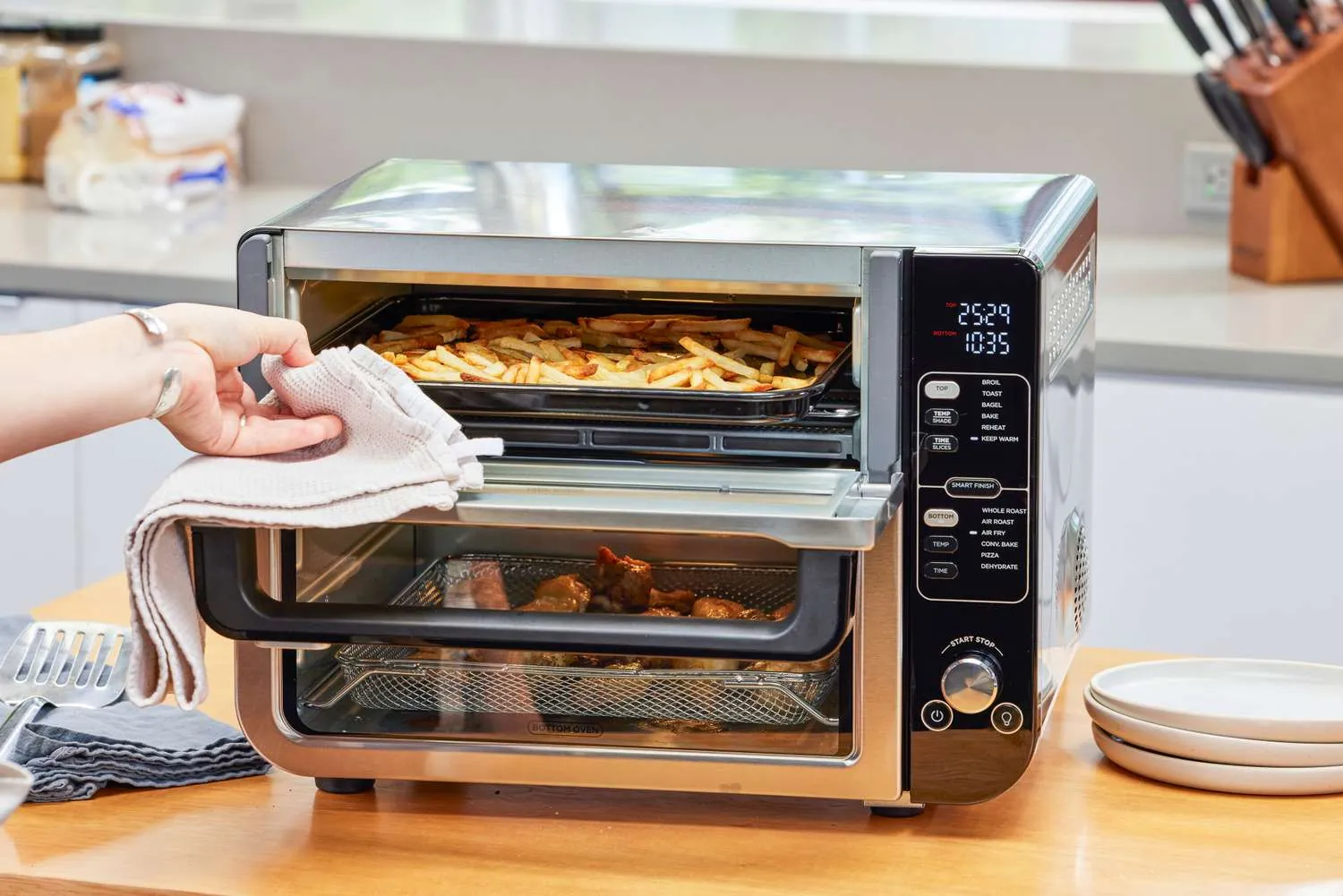
- Buying by capacity alone. A big interior in a deep body won’t fit a shallow counter, and you’ll be returning it. Measure the outside dimensions, not just the cubic feet.
- Ignoring the clearance in the manual. Vents need open air. Block them and the oven runs hot, the cabinet above gets damaged, and the warranty may not cover it.
- Skipping the burn-off run. That first empty heating cycle clears manufacturing residue. Skip it and your first meal tastes like oil and metal.
- Sharing a circuit with other appliances. A high-wattage oven plus a kettle can trip the breaker mid-bake. Give it its own outlet where you can.
- Cleaning the elements. Never soak or scrub the heating rods. Wipe the interior with a damp cloth once it’s fully cool, and follow the maker’s cleaning guide.
Frequently asked questions
What size toaster oven fits a 12-inch counter depth?
A 0.5 cubic foot model, usually about 12 to 13 inches deep, is the safe pick for a 12-inch counter. Check the manual’s rear clearance — if it asks for 4 inches, that oven needs 16 to 17 inches of depth. Measure before you order.
Can a toaster oven replace a full-size oven?
For toast, small bakes, reheating and single portions, yes. For a whole turkey, multiple trays at once, or big holiday cooking, no. Most small-kitchen cooks keep both, or use the toaster oven daily and the big oven a few times a year.
How many slices fit in a small toaster oven?
A 0.5 to 0.6 cubic foot oven toasts 4 to 6 slices on one rack. That assumes standard sandwich bread. Thick-cut or sourdough slices take more room, so you may fit only 3 or 4 at a time.
Is it safe to put a toaster oven under a cabinet?
Only if you follow the clearance in the manual. Most makers want several inches of open space above and behind. Without it, heat builds up, and that’s where cabinets and backsplashes get damaged. Check your model’s guide first.
How long does a toaster oven take to preheat?
Most small models reach temperature in 3 to 5 minutes. That assumes a 1,000 to 1,800 watt unit at full setting. Lower-wattage ovens take longer, so add a couple of minutes and check with an oven thermometer.
What happens if the toaster oven is too big for the counter?
It overhangs the edge, blocks cabinets, or sits too close to the wall. Any of those can damage the oven, the counter or the cabinets. Return it and size down — a 0.5 cubic foot model covers most small kitchens.
Do I need a convection toaster oven in a small kitchen?
Not required, but it helps. Convection moves air with a fan, which browns food faster and more evenly. In a small kitchen where you’re cooking one tray at a time, that speed is a real benefit. It costs more, so decide by budget.
Conclusion
A small kitchen rewards a smaller oven. Pick 0.5 to 0.6 cubic feet, measure your counter and clearance before you buy, and run that first empty heating cycle. Get those three right and the oven earns its counter space every day.