
Are toaster ovens safe to use in your kitchen? If you’ve ever wondered whether these handy appliances pose any risks, you’re not alone.
You rely on your toaster oven for quick meals and snacks, but you might worry about things like overheating, fire hazards, or harmful chemicals. Understanding the safety of toaster ovens can protect you and your family while keeping your cooking routine stress-free.
Keep reading to discover the facts you need to know before you plug in your toaster oven again.
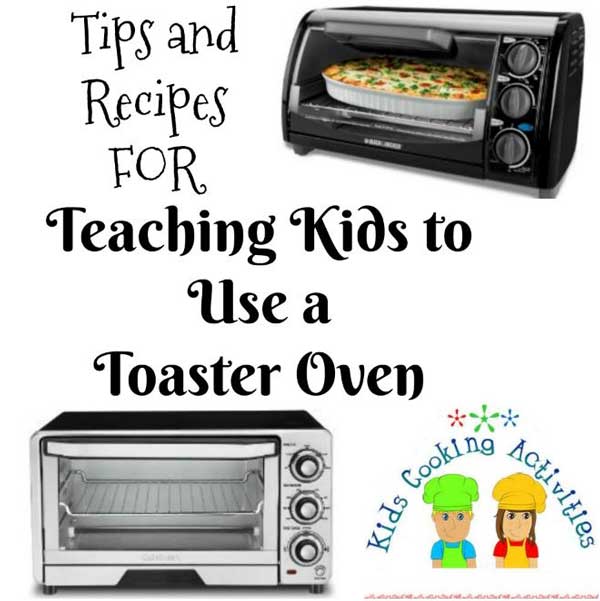
Credit: www.kids-cooking-activities.com
Toaster Oven Safety Basics
Toaster ovens are handy kitchen tools that save time and energy. They cook food quickly and use less power than big ovens. Knowing the safety basics helps prevent accidents and keeps your kitchen safe.
Learning how toaster ovens work and the risks involved is important. It helps users avoid common mistakes and use the appliance safely every day.
Common Risks And Hazards
Toaster ovens get very hot. Touching the outside can cause burns. Leaving crumbs inside may start a fire. Using metal utensils inside can cause sparks. Overloading the oven blocks air flow and causes overheating. Placing the toaster oven too close to flammable items is dangerous. Always keep it on a flat, stable surface to avoid tipping over.
How Toaster Ovens Work
Toaster ovens heat food by using electric heating elements. These elements get very hot and cook food from all sides. A fan may help spread heat evenly. The door keeps heat inside and protects users from burns. Controls let users set the temperature and time. A timer turns the oven off after cooking to prevent burning or fires.
Choosing A Safe Toaster Oven
Choosing a safe toaster oven is important for your kitchen and family. It helps prevent accidents and keeps your cooking smooth. Safety features and certifications show which models protect you best. Knowing what to check makes shopping easier and smarter.
Safety Certifications To Look For
Safety certifications prove the toaster oven meets strict standards. Look for marks from agencies like UL, ETL, or CSA. These groups test electrical safety and fire risks. Certified appliances reduce the chance of sparks or shocks. Always choose a toaster oven with at least one certification.
Features That Enhance Safety
Good toaster ovens have features that stop accidents before they start. Automatic shutoff turns the oven off after cooking or if it overheats. Cool-touch handles keep your hands safe from burns. Non-slip feet prevent the oven from moving or tipping. A timer with an alert helps avoid overcooking or fire hazards.
Proper Placement And Setup
Proper placement and setup of a toaster oven are crucial for safety and performance. Placing it correctly keeps your kitchen safe and your food cooked evenly.
Choosing the right spot and setting up the toaster oven carefully helps avoid accidents. It also ensures the appliance lasts longer.
Ideal Kitchen Spots
Place the toaster oven on a flat, stable surface. Countertops near a power outlet work best. Leave at least 4 inches of space around the oven for air circulation. Avoid placing it under cabinets to prevent heat damage.
Keep the toaster oven away from water sources. Do not put it near sinks or dishwashers. This reduces the risk of electric shock and damage.
Avoiding Fire Hazards
Keep flammable items like towels, paper, and curtains away. Do not place the toaster oven near curtains or paper towels. Avoid stacking items on top of the appliance.
Unplug the toaster oven when not in use. Make sure crumbs are cleaned regularly to prevent buildup. Never leave the toaster oven unattended while cooking.
:max_bytes(150000):strip_icc()/6-Things-to-Never-Put-in-the-Toaster-Oven-eb302105c8d04c2eb1a7371b3ef3fba7.jpg)
Credit: www.eatingwell.com
Safe Operation Tips
Using a toaster oven safely protects you and your home. Follow simple tips to avoid accidents. Keep the appliance clean and check its condition often. Always place it on a flat, heat-resistant surface. These actions help the toaster oven work well and last longer.
Correct Usage Practices
Read the manual before using your toaster oven. Do not overload it with too much food. Set the temperature and timer as recommended. Avoid placing the toaster oven near water or flammable items. Always unplug it after use to prevent electrical hazards.
Handling Hot Surfaces
Use oven mitts when touching the toaster oven. The outside and inside get very hot during use. Keep children and pets away from the appliance. Let the toaster oven cool down before cleaning or storing. Avoid touching hot surfaces to prevent burns.
Using Suitable Cookware
Use only cookware that fits inside the toaster oven. Avoid plastic or paper containers that can catch fire. Choose metal, glass, or ceramic dishes made for high heat. Check that pans do not touch the heating elements. Proper cookware ensures safe cooking and prevents damage.
Maintenance And Cleaning
Keeping a toaster oven clean and well-maintained is key to safe use. Dirt and grease can cause smoke or fires. Regular care helps your toaster oven last longer and work better.
Cleaning is simple and quick. A clean oven also cooks food more evenly. Safety starts with good habits.
Preventing Grease Buildup
Wipe spills right after cooking. Use a damp cloth and mild soap. Avoid harsh chemicals that can damage surfaces.
Clean crumb trays often. Crumbs catch grease and cause smoke. Removing crumbs stops fires before they start.
Use baking paper or trays to catch drips. This reduces the mess inside. Less grease means less risk.
Routine Inspection Tips
Check the power cord for cracks or frays. A damaged cord can cause electric shocks or fires.
Look inside for burnt spots or melted parts. These signs mean the oven needs repair or replacement.
Test the timer and temperature controls. Faulty settings can lead to overheating or undercooking.
Keep vents clear from dust and blockages. Good airflow prevents overheating and keeps your oven safe.
Troubleshooting Common Issues
Toaster ovens are handy, but sometimes they stop working right. Knowing how to fix common problems saves time and stress. This section helps you understand simple fixes and signs to replace your toaster oven.
Dealing With Malfunctions
First, check if the toaster oven is plugged in properly. Loose cords cause many issues. Clean the crumb tray often to avoid burning smells. If the oven does not heat, test the outlet with another device. Replace the heating elements if they are broken. For buttons that do not work, gently clean around them. Avoid using water near electrical parts. If the timer or temperature knob is stuck, try turning it back and forth slowly. Reset the oven by unplugging it for a few minutes. Consult the manual for specific error codes or lights.
When To Replace Your Toaster Oven
Replace the toaster oven if it sparks or smells like burning wires. Old ovens use more electricity and may be unsafe. If repairs cost more than half the price of a new unit, consider buying a new one. Frequent malfunctions or uneven heating are signs of aging. Cracks in the door or loose parts reduce safety. Newer models have better safety features and energy efficiency. Trust your instincts—if it feels unsafe, it probably is.
Child And Pet Safety Around Toaster Ovens
Toaster ovens are common in many homes. They cook food quickly and save space. Still, they can be hot and risky for children and pets. Understanding how to keep kids and pets safe around toaster ovens is very important.
Keeping Kids Away
Children are curious and may touch the toaster oven. The outside gets very hot during use. This can cause burns or injuries. Place the toaster oven on a high counter or shelf. Use safety gates or barriers to block access. Teach children not to touch the appliance. Always supervise kids in the kitchen.
Pet Precautions
Pets can get too close to the toaster oven out of curiosity. Their fur or paws may touch hot surfaces. Keep pets away from the kitchen while cooking. Use pet gates or close doors to restrict access. Store cords out of reach to avoid chewing hazards. Never leave the toaster oven unattended with pets nearby.

Credit: brentwoodus.com
Frequently Asked Questions
Are Toaster Ovens Safer Than Traditional Ovens?
Toaster ovens are generally safe when used correctly. They have safety features like automatic shutoff. However, avoid placing flammable items nearby and always follow the manufacturer’s instructions to reduce fire risk.
Can Toaster Ovens Cause Electrical Hazards?
Toaster ovens can cause electrical hazards if damaged or improperly used. Always check cords for wear and avoid overloading outlets. Using a surge protector can also help prevent electrical issues.
Is It Safe To Leave A Toaster Oven Unattended?
It is not recommended to leave a toaster oven unattended. Unattended use increases fire risks. Always monitor your toaster oven while cooking and turn it off immediately after use.
How To Prevent Fire Hazards With Toaster Ovens?
Keep the toaster oven clean and free of crumbs. Avoid placing paper or plastic near it. Use it on a stable, heat-resistant surface and never block ventilation holes.
Conclusion
Toaster ovens can be safe when used the right way. Always follow the instructions and keep them clean. Avoid placing flammable items near the oven. Never leave the toaster oven unattended while in use. Regular checks help spot any damage early.
Using the appliance carefully reduces risks and keeps your kitchen safe. With simple habits, you can enjoy cooking without worry. Safety starts with you.