
Are you tired of waiting forever for your boiled eggs to cook? What if you could make a perfect boiled egg in just a few minutes using your microwave oven?
You’re about to discover a simple, fast, and foolproof way to cook boiled eggs without the usual hassle. Keep reading, and you’ll learn the exact steps to get that ideal boiled egg every single time—soft, medium, or hard—right from your microwave.
Say goodbye to long waits and messy pots!
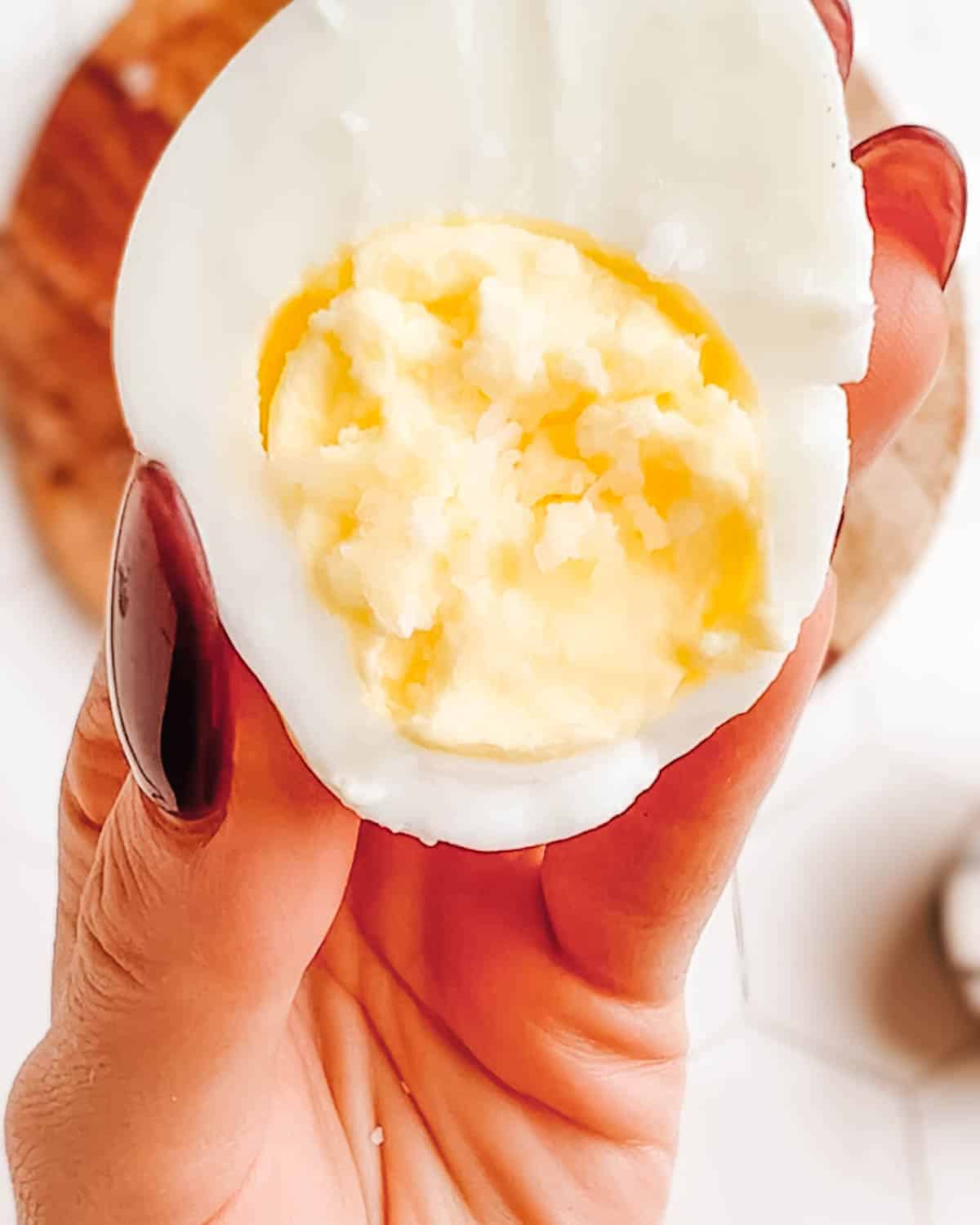
Credit: foodess.com
Choosing The Right Eggs
Choosing the right eggs is key to cooking perfect boiled eggs in a microwave oven. The type and freshness of eggs affect cooking time and texture. Picking suitable eggs helps avoid cracks and uneven cooking. Let’s explore how freshness and size matter.
Fresh Vs. Older Eggs
Fresh eggs are harder to peel after boiling. Older eggs peel more easily due to changes in the shell’s inner membrane. For microwave boiling, slightly older eggs work best. They reduce the chance of shells sticking to the egg white. Avoid very old eggs that smell or look bad. Always check the eggs before cooking.
Egg Size And Type
Egg size affects cooking time. Large eggs need more time than medium or small eggs. Adjust microwave time based on egg size for even cooking. Different types of eggs, like brown or white, cook the same. The shell color does not change cooking results. Use eggs with clean, uncracked shells for safety and quality.
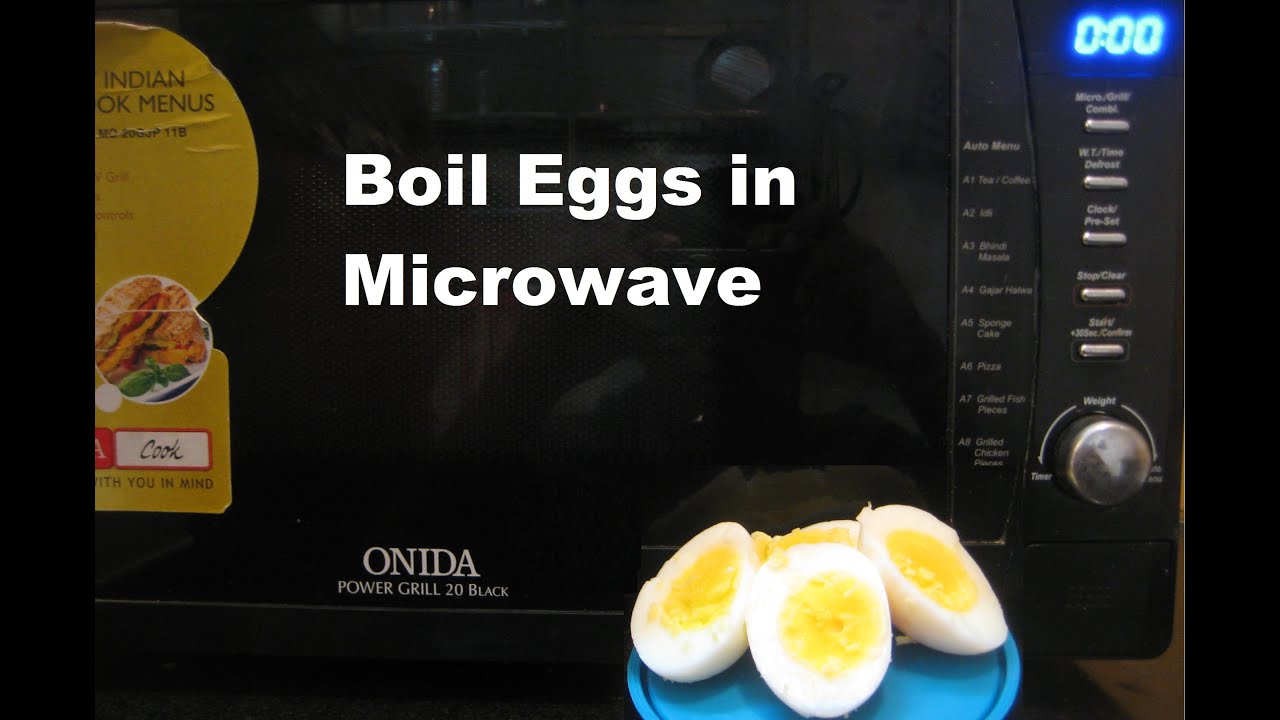
Credit: www.youtube.com
Preparing Eggs For Microwaving
Preparing eggs for microwaving is an important step for a perfect boiled egg. Proper preparation ensures the egg cooks evenly and safely. It also prevents the egg from cracking or exploding inside the microwave. Follow simple steps to get your eggs ready for microwaving.
Pricking The Egg Shell
Prick the egg shell gently before microwaving. Use a pin or needle to make a tiny hole in the shell. This hole lets steam escape while cooking. Without pricking, the egg might burst due to steam buildup. Be careful not to crack the shell. Just a small hole is enough.
Using A Microwave-safe Container
Choose a microwave-safe container to cook your egg. Avoid metal or plastic containers not meant for microwaves. Fill the container with enough water to cover the egg fully. Water helps cook the egg evenly and stops it from drying out. Place the egg carefully in the water, so it does not roll around during cooking.
Microwave Settings And Timing
Cooking a boiled egg in the microwave requires the right settings and timing. Using the correct power level and cooking time ensures the egg cooks evenly and safely. Too much power or time can cause the egg to explode. Too little, and the egg may remain raw. Understanding microwave settings helps you get perfect boiled eggs quickly.
Power Levels To Use
Use medium or 50% power for boiling eggs. High power heats too fast, causing uneven cooking. Medium power allows the heat to spread evenly inside the egg. Many microwaves have power levels from 1 to 10. Choose level 5 or medium for best results. This setting prevents the egg from cracking or exploding.
Recommended Cooking Times
Place the egg in a microwave-safe bowl with water. Cook for 4 to 6 minutes at medium power. Check the egg after 4 minutes to avoid overcooking. Cooking time varies by microwave wattage and egg size. Add more time in 30-second increments if needed. Let the egg sit in hot water for 2 minutes after cooking to finish softly.

Credit: eggs.ca
Step-by-step Cooking Process
Cooking a boiled egg in a microwave is quick and easy. Follow each step carefully for the best results. This method saves time and works well when you need a fast snack or breakfast. Use these simple instructions to cook your egg safely in the microwave.
Adding Water
Start by placing the egg in a microwave-safe bowl. Add enough water to cover the egg completely. This prevents the egg from drying out. Water also helps cook the egg evenly. Do not skip this step to avoid any accidents in the microwave.
Microwaving The Egg
Set the microwave to medium power. Cook the egg for about 4 minutes. Cooking time may change depending on your microwave’s strength. Check the egg after 3 minutes to avoid overcooking. Let the microwave rest for 1 minute before removing the bowl.
Cooling And Peeling Tips
Carefully remove the bowl from the microwave. Use a spoon to take out the egg. Place the egg in cold water for 2 minutes. Cooling helps stop the cooking process. It also makes peeling easier. Tap the egg gently on a surface, then peel the shell slowly.
Common Issues And Solutions
Cooking boiled eggs in a microwave can be quick and easy. Still, some common problems may happen. Knowing the solutions helps make perfect eggs every time. This section covers key issues and how to fix them.
Preventing Explosions
Eggs can explode in the microwave because steam builds up inside. The shell traps the steam, causing pressure to grow fast. To avoid this, never cook eggs in their shell directly. Instead, crack the egg into a microwave-safe bowl. Pierce the yolk with a fork to let steam escape. Cover the bowl with a microwave-safe lid or plate. Cook at medium power for short times. Stir or check often to stop pressure from building. These steps prevent messy, dangerous explosions.
Avoiding Overcooked Eggs
Microwaving eggs too long makes them rubbery and dry. Overcooked eggs lose their soft texture and taste bad. Cook eggs in short intervals of 20-30 seconds. Check the egg after each interval to avoid overcooking. Use medium or low power settings to cook evenly. Let the egg rest for a minute after microwaving. The heat continues to cook the egg gently. This way, you get tender, moist boiled eggs every time.
Creative Serving Ideas
Boiled eggs cooked in the microwave offer a quick, nutritious base for many dishes. Serving them creatively turns a simple egg into a tasty treat. These ideas help you enjoy boiled eggs in new, exciting ways.
Explore easy recipes that combine boiled eggs with fresh ingredients. These options suit any meal, from breakfast to dinner. They bring color, flavor, and nutrition to your table.
Quick Salads With Boiled Eggs
Chop boiled eggs and mix them with fresh vegetables like lettuce, tomatoes, and cucumbers. Add a dash of olive oil or your favorite dressing. Sprinkle salt and pepper for extra taste.
This salad is easy to make and fills you up fast. It works well as a side dish or a light meal. The boiled eggs add protein and richness to the salad.
Egg Snacks And Sandwiches
Slice boiled eggs and place them on bread or toast. Add cheese, lettuce, or a slice of tomato for flavor. Spread a little mayonnaise or mustard for a tasty touch.
These snacks are perfect for quick bites or lunch boxes. They are easy to prepare and loved by kids and adults alike. Boiled eggs make sandwiches more satisfying and healthy.
Frequently Asked Questions
How Long To Microwave A Boiled Egg?
Microwave a boiled egg for 4 to 6 minutes depending on your microwave’s power. Use medium heat. Adjust time to avoid overcooking or undercooking.
Can You Boil Eggs Directly In The Microwave?
No, never boil eggs directly without water. Always place eggs in a microwave-safe bowl with water to prevent explosion.
How To Prevent Eggs From Exploding In Microwave?
Piercing the eggshell or using a microwave-safe container with water prevents explosions. Cover the container loosely to allow steam release.
Is Microwaved Boiled Egg Safe To Eat?
Yes, microwaved boiled eggs are safe if cooked properly. Ensure eggs reach a firm consistency to avoid any health risks.
Conclusion
Cooking a boiled egg in the microwave is quick and easy. You save time and avoid boiling water on the stove. Just follow the steps carefully to avoid mess or burns. Use a microwave-safe bowl and add water to cover the egg.
Cook in short bursts, checking often. This method works well for busy mornings or snacks. Experiment to find the perfect cooking time for your microwave. Enjoy your egg plain or add salt, pepper, or other toppings. Simple, fast, and convenient—microwaving eggs can fit your busy life.