
A French press makes rich, full-bodied coffee with coarse grounds, hot water, and a firm press.
I’ve brewed hundreds of presses in my kitchen and cafes, so I know what works and what fails. This guide shows exactly how to make coffee plunger with clear steps, simple tips, and fixes for common problems. You’ll get consistent, great-tasting plunger coffee every time by following these easy methods and small tricks I learned the hard way.
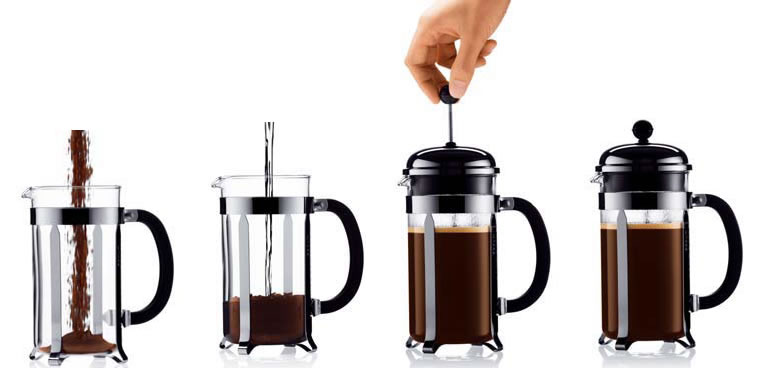
Why choose a plunger for your coffee
A plunger (French press) gives direct control over brew time and extraction. It keeps the oils and body that paper filters remove, so coffee tastes richer and rounder. The method is simple and gear-light, which makes it perfect for home, travel, or small kitchens.
I prefer the plunger when I want bold flavor without fuss. It’s forgiving and fast. If you want full flavor and a hands-on ritual, learning how to make coffee plunger is worth it.

What you need to make coffee plunger
Gathering the right tools sets you up for success. Use fresh gear and good water for the best results.
- Plunger/French press, 8–34 oz size depending on servings.
- Burr grinder for consistent coarse grounds.
- Fresh coffee beans roasted within 2–4 weeks.
- Kettle with temperature control or thermometer.
- Scale for accurate coffee and water measurements.
- Timer to track brew time.
- Stirrer (wood or plastic) to avoid breaking glass.
For one strong 12-ounce cup I use 18 grams coffee to 300 grams water. Adjust to taste. Good water and consistent grind are the biggest levers for better coffee.
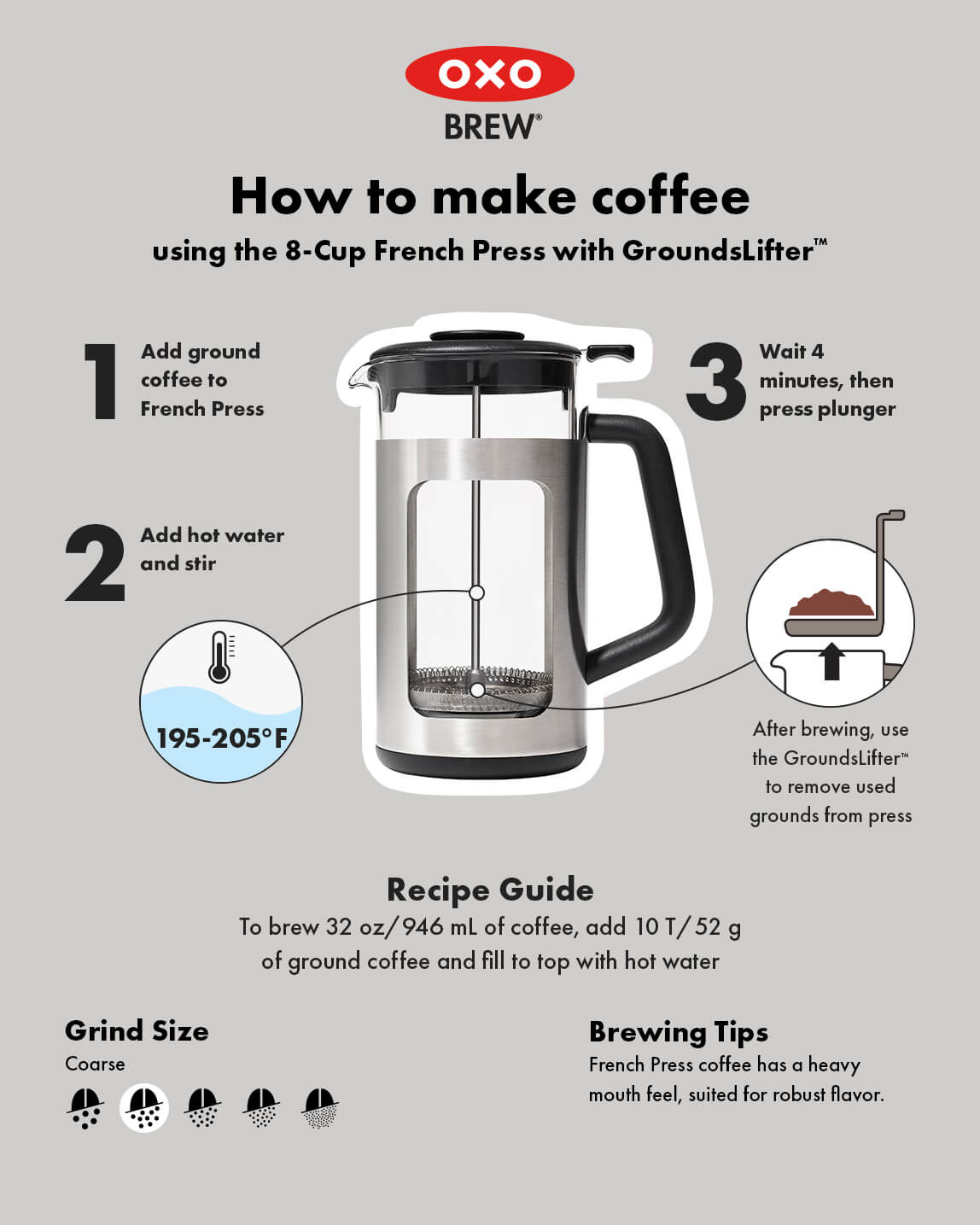
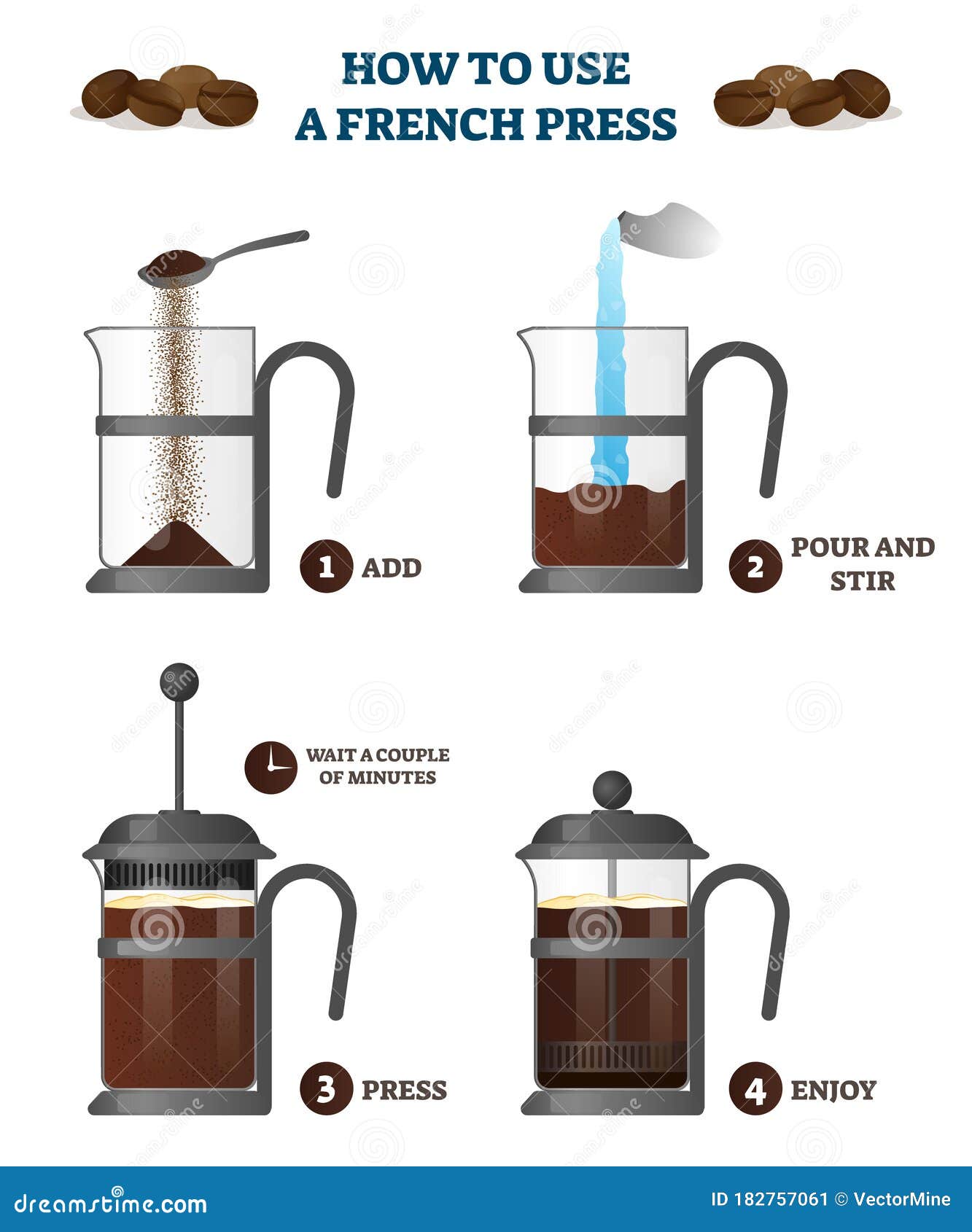
Step-by-step: how to make coffee plunger
Follow these simple steps for a reliable brew. Short sentences. Clear actions.
- Heat water
- Bring water to about 200°F (93°C). If you don’t have a thermometer, boil then wait 30 seconds.
- Grind coffee
- Use a coarse, even grind like sea salt. Grind just before brewing for best aroma.
- Preheat the plunger
- Rinse the carafe with hot water to warm it. Empty the rinse water.
- Add coffee
- Pour the ground coffee into the carafe. Use a scale for consistency.
- Start the brew
- Pour half the water slowly to saturate grounds. Wait 30 seconds for bloom.
- Finish pouring
- Pour the remaining water to reach your target weight. Start the timer.
- Stir gently
- Give one quick stir to break the crust and ensure even extraction.
- Steep and press
- Let it steep 3:30 to 4:30 minutes depending on taste. Press the plunger down slowly and steadily.
These steps show how to make coffee plunger with repeatable results. I learned to press slowly after over-extracting when I pressed too fast. A steady press makes cleaner, less bitter shots.
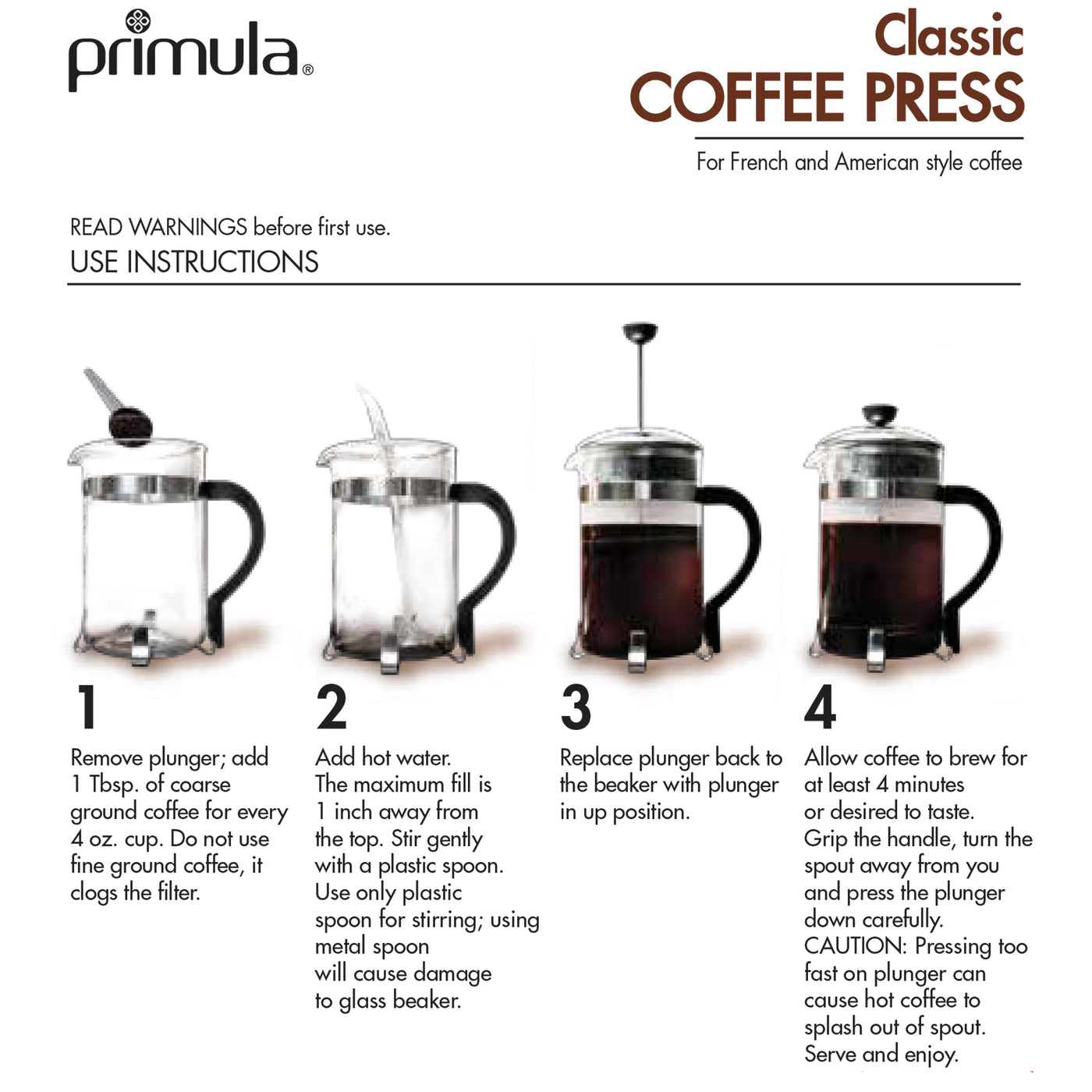
Grind, dose, temperature, and brew time explained
Small changes change the cup a lot. Here are the core variables and how they affect the drink.
- Grind size
- Coarse grind gives clean extraction and stops too much sediment. If coffee tastes weak, make it a bit finer.
- Dose (coffee-to-water ratio)
- A starting point is 1:16 (coffee:water). For stronger coffee go toward 1:15 or 1:14.
- Water temperature
- Aim for 195–205°F (90–96°C). Cooler water under-extracts and tastes sour.
- Brew time
- 3:30 to 4:30 minutes is common. Longer time increases strength and bitterness.
Experiment by changing one variable at a time. That’s how I tuned my morning cup. Keep notes and you’ll learn your ideal rhythm for how to make coffee plunger.
Common mistakes and how to fix them
Avoid these easy errors I saw first-hand.
- Using a fine grind
- Too fine means over-extract and lots of sediment. Switch to coarse.
- Skipping the bloom
- Not wetting grounds first can trap gases and give uneven extraction. Pour a little water and wait 30 seconds.
- Pressing too fast
- Fast pressing stirs up sludge and over-extracts flavors. Press slow and steady.
- Old beans or poor water
- Stale beans or hard water make flat cups. Use fresh beans and filtered water.
When things go wrong, adjust one thing at a time. That method made troubleshooting easier for me during busy mornings.
Variations and recipes for plunger coffee
Try these tweaks to keep things interesting. They change texture and strength without extra gear.
- Strong morning press
- Use 1:15 ratio and 4 minutes steep. Press slowly.
- Lighter, smoother cup
- Use 1:17 ratio and 3:30 minutes. Coarser grind helps.
- Inverted method
- Start with plunger at bottom, steep with lid off, then press. It can keep heat better.
- Cold brew plunger
- Use coarse grounds, 1:8 coffee to water, steep 12–16 hours in the fridge. Press and filter.
These ideas show how to make coffee plunger in different styles. I use the inverted method on cold mornings when I want extra heat retention.

Frequently Asked Questions of how to make coffee plunger
How coarse should the grind be for a plunger?
Use a coarse grind similar to sea salt. This prevents over-extraction and reduces fine sediment in the cup.
What is the best coffee-to-water ratio for a plunger?
Start with 1:16 (coffee:water) and adjust by taste. Use 1:15 for stronger coffee and 1:17 for milder cups.
How long should I steep my plunger coffee?
Steep 3:30 to 4:30 minutes for most beans. Adjust shorter for lighter roasts and longer for darker roasts.
Can I use regular drip coffee grounds in a plunger?
You can, but drip grounds are often too fine and will create cloudy, bitter coffee. Grind coarse for best results.
How do I reduce sediment in my plunger coffee?
Use a coarser grind, press slowly, and pour gently. If needed, pour through a fine mesh or paper filter after pressing.
Is water temperature important for plunger coffee?
Yes. Aim for 195–205°F (90–96°C). Water that’s too cool under-extracts and tastes weak or sour.
Conclusion
Learning how to make coffee plunger is simple, repeatable, and rewarding. Focus on grind, dose, temperature, and timing, and tweak one thing at a time. Try the steps and variations here for a cup you love, and keep a note of what works. If you found this helpful, try a new ratio tomorrow, subscribe for more tips, or leave a comment about your favorite plunger trick.