
Coffee starts as a fruit seed, gets processed to remove that fruit, dried, milled, roasted, ground, and finally brewed with hot water. That’s the whole basic process in one sentence: growing → harvesting → processing → drying → milling → roasting → grinding → brewing. Everything else is detail layered on top. This guide walks through each stage in order, explains why it matters to what ends up in your cup, and shows where the flavor decisions actually get made.
Key Takeaways
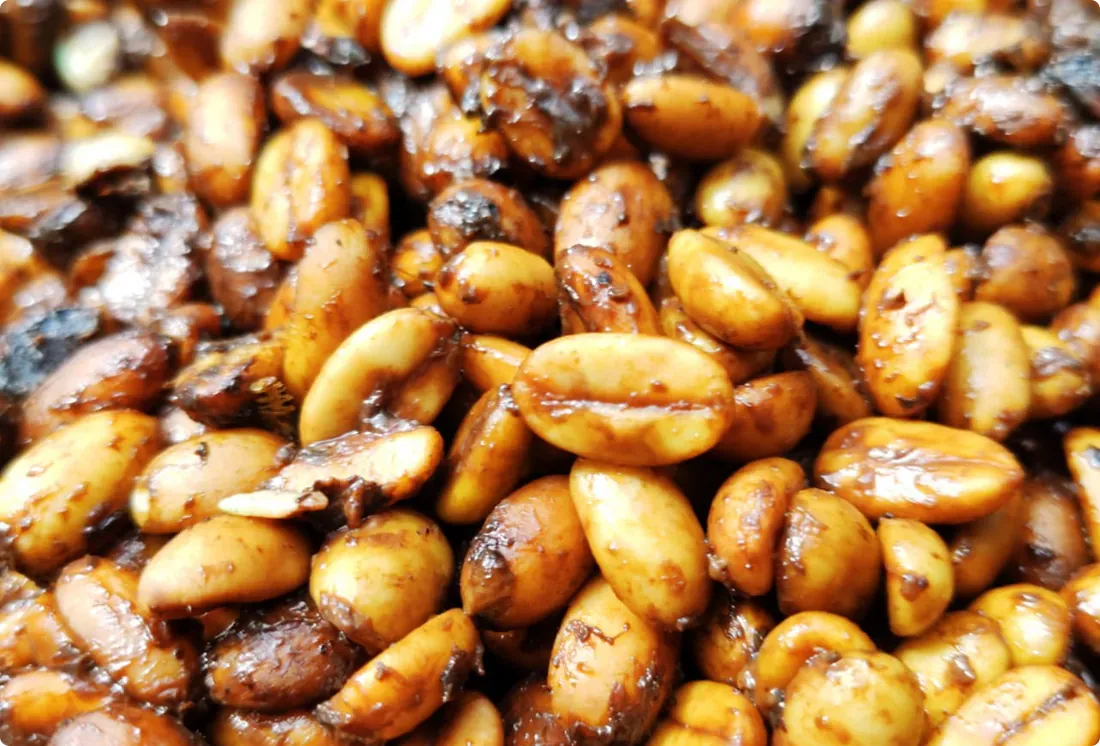
- The basic coffee process has eight stages, from seed to cup, and each one changes flavor.
- Wet processing tends to produce cleaner, brighter cups; dry processing tends to produce fruitier, heavier-bodied ones.
- Roasting is a heat-and-time curve, not a color; the same bean tastes different at light, medium, and dark levels.
- Grind size must match your brew method — espresso needs fine, French press needs coarse.
- Green coffee has no coffee flavor; roast and brew create almost everything you taste.
- Freshness peaks roughly 2–4 weeks after roast for most whole-bean coffee, not months.
What the Basic Coffee Process Actually Is
Coffee is a seed inside a cherry that grows on a shrub in the Coffea genus. Two species dominate world trade: Arabica and Robusta. Arabica generally tastes sweeter and more acidic; Robusta is more bitter, higher in caffeine, and harder to grow wrong.
The “process” is really a chain of transformations. You pick a fruit, strip it down to a seed, dry and stabilize that seed, then apply heat twice — once to roast it, once to brew it. Each step removes something or adds energy, and each one leaves a mark on flavor.
Stage 1: Growing and Harvesting
Coffee grows in a band around the equator, roughly between the Tropics of Cancer and Capricorn. Plants take about three to four years to produce a first meaningful harvest, then yield for decades.
Harvesting matters more than most drinkers realize. There are two main approaches:
- Selective picking — workers hand-pick only ripe cherries, often red. Higher cost, more consistent ripeness.
- Strip picking — all cherries come off the branch at once, ripe or not. Faster and cheaper, less consistent.
Underripe cherries taste grassy and astringent. Overripe ones taste fermented or muddy. That’s why hand-picking commands a premium in specialty coffee.
Stage 2: Processing the Cherry
This is the step that most shapes a coffee’s character before roasting. The goal is to remove the skin, pulp, and mucilage from the seed.
The Main Processing Methods
| Method | How It Works | Typical Flavor Result |
|---|---|---|
| Washed (wet) | Fruit removed before drying; seeds fermented and rinsed | Clean, bright, acidic, clear origin character |
| Natural (dry) | Whole cherries dried in the sun, fruit removed after | Fruity, sweet, heavy body, sometimes wine-like |
| Honey | Mucilage left on during drying, skin removed first | Balanced sweetness, medium body, mild fruit |
| Wet-hulled (Giling Basah) | Parchment removed while seed is still wet | Earthy, herbal, low acidity; common in Sumatra |
| Anaerobic | Sealed fermentation before drying | Intense fruit, sometimes boozy or spicy |
Washed is the most common method worldwide and the baseline for judging a coffee’s origin. Natural processing is older and, done well, produces the berry-forward flavors many drinkers love.
Pro Tip: If you want to taste what a specific farm or region “tastes like,” start with a washed coffee from that origin — it’s the least obscured view.
Stage 3: Drying and Milling
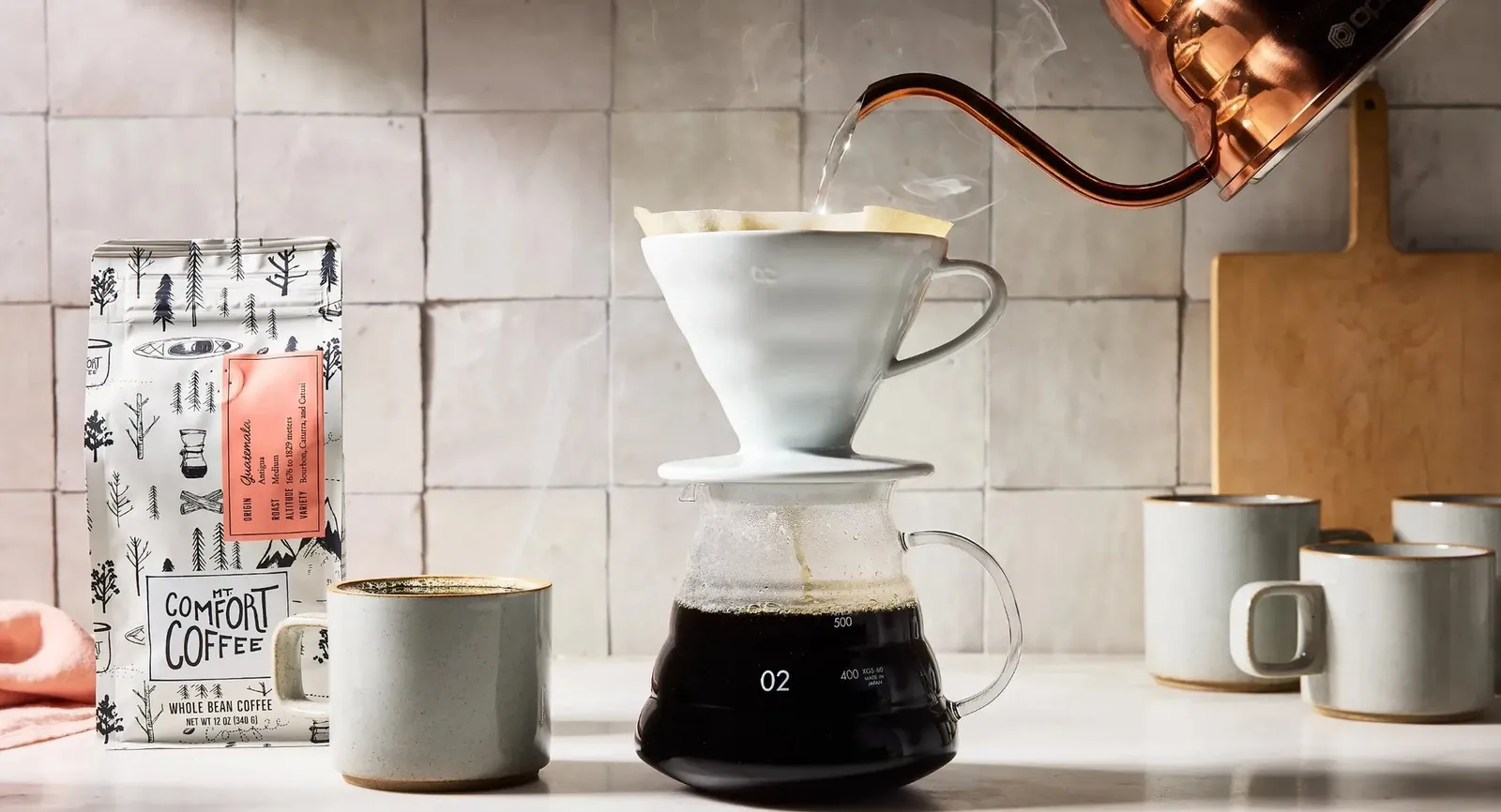
After processing, seeds are dried until moisture content drops to roughly 10–12%. This is a stability threshold: too wet and the coffee molds; too dry and it turns brittle and loses character.
Drying happens on raised beds, patios, or mechanical dryers, and can take days to weeks. Once dry, the seed is called green coffee and can be stored for months before roasting.
Milling then removes the final layers:
- Hulling strips the parchment layer (and, for naturals, the dried fruit).
- Polishing is optional and mostly cosmetic.
- Grading and sorting removes defects by size, density, and color — often by machine, sometimes by hand.
Green coffee is then bagged, usually in jute, and shipped.
Stage 4: Roasting
Roasting is where green coffee becomes coffee. Raw seeds smell grassy and hay-like; heat triggers hundreds of chemical reactions, including the Maillard reaction and caramelization, that build aroma and flavor.
What Happens During a Roast
- Drying phase — beans lose most of their moisture.
- Maillard phase — sugars and amino acids react; color darkens and aroma compounds form.
- First crack — beans pop audibly as moisture and gas escape; this signals drinkable coffee.
- Development — time after first crack; longer development means darker, less acidic coffee.
- Second crack — a sharper popping; beans are entering dark-roast territory and oils migrate to the surface.
| Roast Level | Color | Typical Flavor | Common Use |
|---|---|---|---|
| Light | Cinnamon to light brown | Bright, acidic, fruity, origin-forward | Pour-over, filter |
| Medium | Medium brown | Balanced, sweet, nutty, caramel | Drip, pour-over, some espresso |
| Medium-dark | Rich brown, some oil | Bolder, bittersweet, chocolatey | Espresso, milk drinks |
| Dark | Dark brown to near-black, oily | Smoky, bitter, low acidity | Espresso, French press |
Roasters track bean temperature and time, not just color. Two roasts can look identical and taste completely different based on how fast heat was applied.
Stage 5: Grinding
Grinding increases surface area so water can extract soluble compounds. It’s the most adjustable variable in your kitchen, and it’s where most home brewing goes wrong.
- Fine — espresso, Moka pot
- Medium-fine — Aeropress
- Medium — drip machines, pour-over cones
- Medium-coarse — Chemex, clever dripper
- Coarse — French press, cold brew
Burr grinders produce consistent particle sizes; blade grinders produce a mix of dust and boulders, which extracts unevenly. If you change nothing else in your routine, upgrading the grinder usually changes the cup the most.
Warning: Grind fresh. Ground coffee stales in days; whole beans hold up for weeks.
Stage 6: Brewing
Brewing extracts flavor using water, time, and temperature. The widely cited target range is 195–205°F (91–96°C) for hot brewing, with a brew ratio around 1:15 to 1:18 coffee to water by weight.
Two variables control almost everything:
- Extraction — under-extracted coffee tastes sour, salty, and thin; over-extracted tastes bitter, dry, and hollow.
- Strength — how much coffee you used relative to water, independent of extraction.
If your coffee tastes sour, grind finer or brew longer. If it tastes bitter, grind coarser or brew shorter. That single rule fixes most home brewing problems.
Common Brew Methods Compared
| Method | Grind | Time | Character |
|---|---|---|---|
| Drip machine | Medium | 4–6 min | Consistent, convenient, mild |
| Pour-over | Medium | 2–4 min | Clean, bright, controllable |
| French press | Coarse | 4 min steep | Full-bodied, oily, rich |
| Espresso | Fine | 25–30 sec | Concentrated, intense |
| Cold brew | Coarse | 12–18 hrs | Smooth, low-acid, sweet |
Stage 7: Decaffeination (Optional)
Decaf coffee goes through an extra step, usually before roasting. The FDA requires decaffeinated coffee to have at least 97% of its caffeine removed. Methods include solvent-based, Swiss Water, and CO2 processes. Done well, decaf tastes close to the original; done cheaply, it tastes flat and papery.
Stage 8: Packaging and Storage
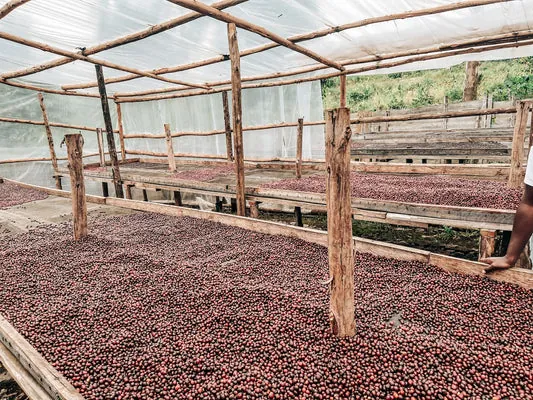
Roasted coffee releases carbon dioxide for days after roasting, which is why bags have one-way degassing valves. Oxygen, moisture, heat, and light are the four enemies. Store beans in an opaque, airtight container at room temperature — not the freezer, unless you’re storing long-term in sealed portions.
For food-safety specifics on how brewed coffee should be handled and held, the FDA Food Code sets the retail rules.
Frequently Asked Questions
How long does the whole coffee process take?
From harvest to roasted bean, typically several weeks to a few months, depending on processing and shipping. Growing takes years. Roasting takes 8–15 minutes. Brewing takes under 5 minutes.
What’s the difference between washed and natural coffee?
Washed coffee has the fruit removed before drying, giving a cleaner, brighter cup. Natural coffee dries with the fruit still attached, which transfers sugars and produces fruitier, heavier flavors. Neither is better — they’re different styles.
Does darker roast mean more caffeine?
No. Caffeine barely changes during roasting. By weight, dark roasts can actually contain slightly less because beans lose mass. Scoop for scoop, the difference is small.
Why does my coffee taste sour or bitter?
Sour usually means under-extraction: grind finer or brew longer. Bitter usually means over-extraction: grind coarser or shorten the brew. Water temperature and ratio matter too.
Can I roast coffee at home?
Yes. Home roasting works with a popcorn air popper, a skillet, or a dedicated roaster. You’ll reach first crack in roughly 5–10 minutes and can stop at any roast level. Ventilation matters — roasting produces smoke.
Is instant coffee the same process?
No. Instant coffee is brewed industrial-strength, then dried into powder or granules. It skips the grinding and brewing steps you’d do at home, which is why it tastes different.
For a deeper look at how roasting chemistry affects flavor, university food science programs publish accessible research on the topic.
Where Flavor Is Actually Decided
Most drinkers assume roast level determines taste. In practice, flavor is built in layers:
- Origin and variety set the ceiling.
- Processing sets the character.
- Roasting sets the balance.
- Grinding and brewing determine whether you actually taste any of it.
A great coffee brewed badly tastes bad. A mediocre coffee brewed well tastes decent. That’s why the last two stages deserve as much attention as the first six.
Your next step: pick one variable — grind size is the easiest — and change only that for your next three cups. You’ll learn more about coffee in a week than in a year of reading.