
An Instant Pot air fryer lid works by sitting on top of your inner pot and blowing very hot air down onto the food. A heating element at the top of the lid warms the air, a fan pushes it around the food, and a small vent lets steam escape. That’s the whole trick — moving hot air, not oil.
The lid is a separate accessory. It’s not the same as the pressure-cooking lid that came with your Instant Pot, and you can’t use both at once.
How Does an Instant Pot Air Fryer Lid Work?
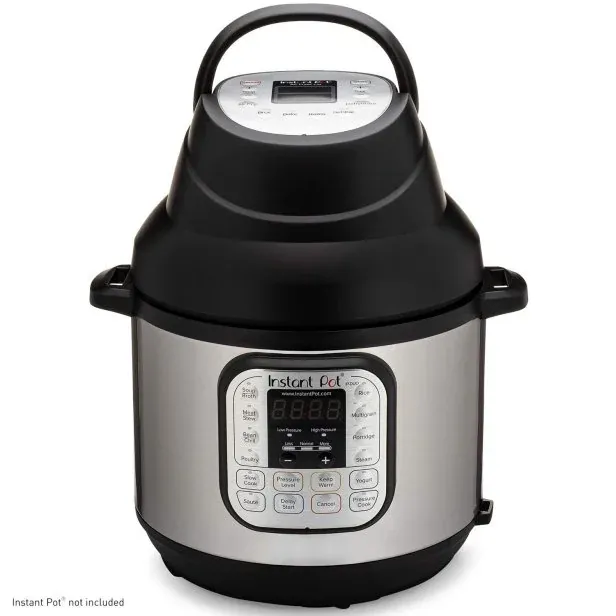
The lid turns your Instant Pot into a small air fryer. Hot air moves in a circle inside the pot, and that moving air is what browns and crisps the food.
Here’s what happens after you plug the lid in and press start. The heating coil at the top gets hot, the fan pulls air up past the coil, and then pushes that hot air down over your food. The air hits the food, picks up moisture, rises back to the coil, and repeats. This loop runs the whole time you cook.
Because the air keeps moving, the surface of the food dries out and browns. That’s the same result frying gives you, but without a pot of oil. The lid also has a small vent, so steam from wet food can get out instead of turning everything soggy.
One thing people get wrong: the lid doesn’t cook from the inside out. It heats the outside of the food first, then the heat moves inward, just like a regular oven.
What the Buttons and Settings Actually Do
Most air fryer lids have a simple control panel: a temperature button, a time button, and a start button. Some models add preset programs for fries, chicken, fish, or vegetables.
The temperature setting controls how hot the coil gets. The time setting controls how long the fan and coil run. When the timer ends, the machine beeps and the heat stops.
The presets are just shortcuts. They set a temperature and a time for you. You can always ignore them and set your own numbers. If a preset gives you results you don’t like, change the temperature yourself instead of trusting the label.
Temperature and Time for Common Foods
Use this table as your starting point. Every lid model runs a little differently, so treat these as a range, not a rule.
| Food | Temperature | Time | Notes |
|---|---|---|---|
| Frozen fries | 400°F | 15–18 min | Shake the basket halfway |
| Chicken wings | 380°F | 22–25 min | Dry the skin first |
| Fresh vegetables | 375°F | 10–12 min | Toss in a little oil |
| Fish fillets | 375°F | 10–12 min | Cook until flesh is opaque |
| Reheating leftovers | 350°F | 5–8 min | Single layer works best |
If you’re cooking a larger amount, add a few minutes and shake or turn the food once. Crowding the pot is the fastest way to get pale, soft results.
Tip: Start with the shorter time in the range. You can always add 2 more minutes, but you can’t undo burnt food.
Do You Need the Basket or a Rack?
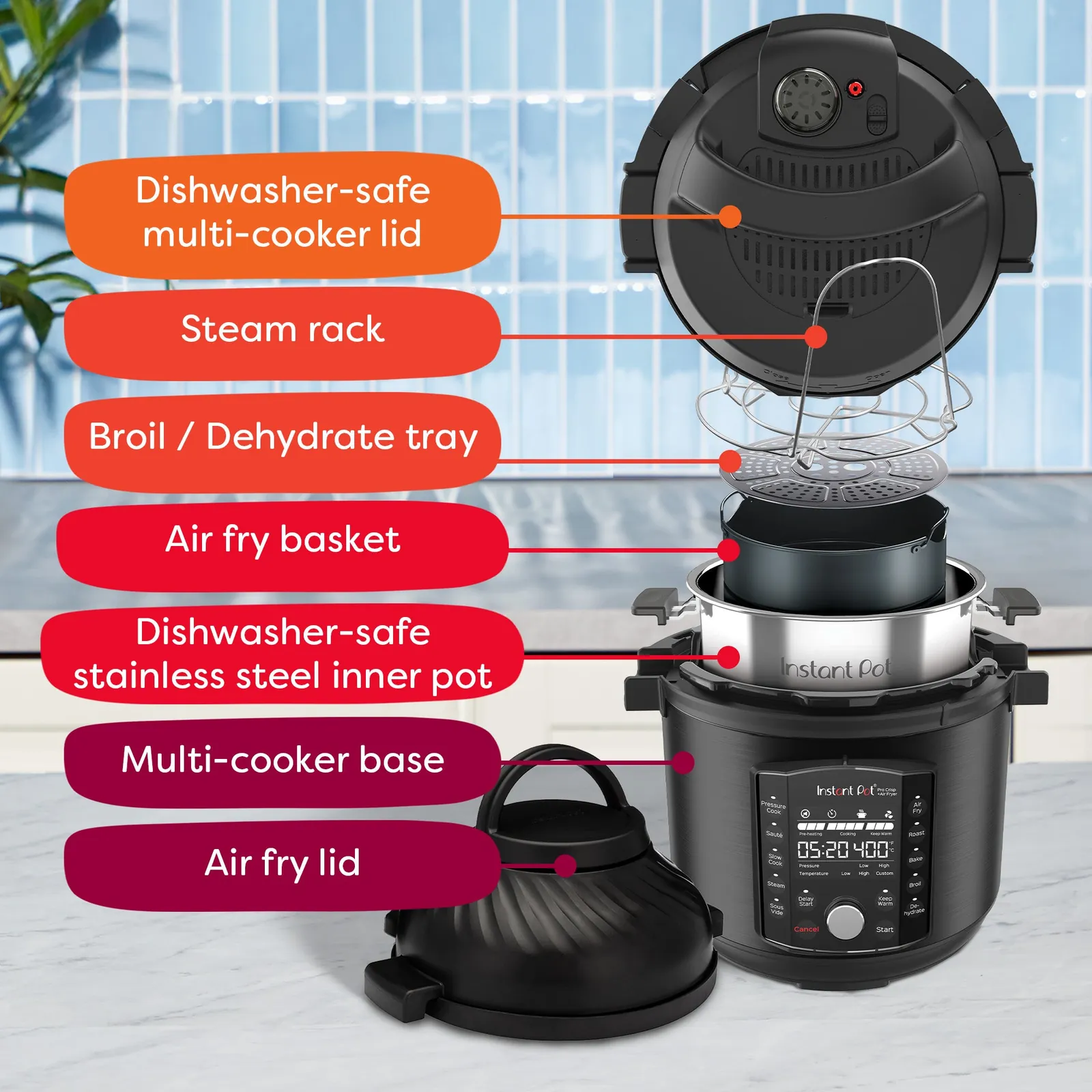
You need something to lift the food off the bottom of the inner pot. Most lids come with a metal basket or a rack for exactly this reason.
The gap under the basket lets hot air reach the bottom of the food. If you just drop food straight into the pot, the underside sits in its own steam and stays soft.
If your lid didn’t come with a basket, a small wire rack from your kitchen works fine. Just make sure it fits inside the pot and leaves some space around the edges for air to move.
Is It Safe to Use the Air Fryer Lid?
Yes, it’s safe when you use it the way the maker describes. The lid is designed to sit on the pot, and the outside stays cool enough to touch during cooking.
A few safety points worth knowing. The inside of the lid and the coil get very hot, so don’t touch them right after cooking. The inner pot and the food are hot too, so use tongs or oven mitts. Keep the lid away from water — you wipe the inside clean, you don’t dunk it.
Never put the lid in the dishwasher unless your model’s manual says it’s allowed. Most lids are wipe-clean only, and water getting into the fan or the electronics can damage it.
If your lid ever sparks, smokes oddly, or smells like burning plastic, unplug it and stop using it. The U.S. Consumer Product Safety Commission publishes recall notices for small kitchen appliances, so that’s the place to check whether your model has been recalled.
Why Your Food Comes Out Soft Instead of Crisp
Soft results are the most common complaint, and they almost always come down to one of three things.
Why is my food soggy?
Too much food in the pot is the usual cause. When pieces touch and stack, air can’t reach every surface, so the food steams instead of crisping. Cook in a single layer, or do it in two batches.
Wet food is the second cause. Pat meat and vegetables dry with a paper towel before they go in. Water on the surface has to evaporate before browning can start, and that takes time you didn’t plan for.
Why does the top burn but the middle stay cold?
This happens when food sits too close to the coil, or when the temperature is set too high for the thickness of the food. Move the food down a level, or drop the temperature by 25°F and add a few minutes.
Why does my lid shut off in the middle of cooking?
Some models pause if the lid isn’t seated flat on the pot rim. Lift it, set it back down evenly, and press start again. If it keeps stopping, the lid may be overheating, which means it needs a few minutes to cool before you restart.
What the Lid Can and Can’t Do
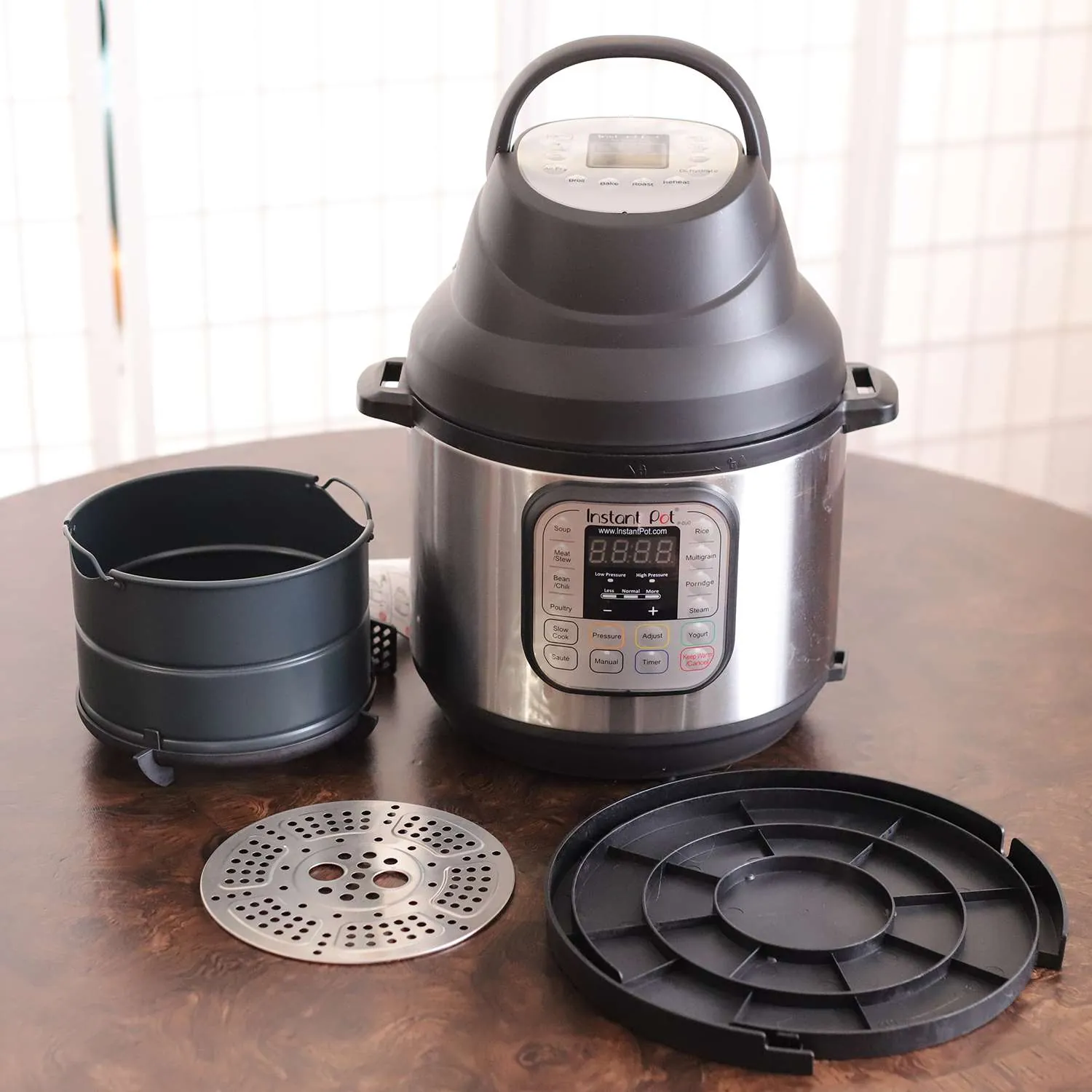
The lid is great for fries, wings, vegetables, fish, and reheating. It’s small, so it’s best for one or two people at a time.
It’s not the right tool for a whole chicken, a large batch of food, or anything that needs a big flat surface. The pot is deep and narrow, so air moves in a tight circle. If you regularly cook for four or more people, a standalone air fryer with a wider basket will serve you better.
There’s also a trade-off in speed. The lid preheats faster than a full oven, but because the space is small, you’ll cook in more batches. For a single portion it wins. For a family meal, the oven usually wins on total time.
Frequently Asked Questions
Can I use the air fryer lid on any Instant Pot?
No. Check your pot’s size and rim before buying. The lid sits on top — it doesn’t lock on like the pressure lid.
Do I need to add oil?
You don’t need much. A light toss — about a teaspoon for a bowl of vegetables — helps browning and keeps seasonings stuck to the food. Oil sprays work too, but plain dry food will still crisp if you give it enough time and space.
Can I open the lid while it’s cooking?
Yes, and you should for most foods. Pulling the lid off stops the heat, so you can shake the basket or flip the food, then set it back and let the timer keep running. Just watch your hands — the inside is hot.
Does the air fryer lid work as a pressure cooker?
No, and it can’t. The lid has a vent for steam and no locking mechanism, so it never builds pressure. Pressure cooking still needs the original lid that came with your Instant Pot.
How do I clean the lid?
Let it cool completely first. Wipe the inside and the coil area with a damp cloth, and wash the basket or rack in warm soapy water. Don’t run water over the top of the lid where the fan and controls sit.
Can I put frozen food straight in?
Yes, most frozen foods go in straight from the freezer. Add a few extra minutes compared to fresh food, and shake the basket halfway so the pieces don’t stick together.
Conclusion
Your first batch is really a test run. Pick one food you know well, note the time and temperature that worked, and keep those numbers for next time — your lid and your pot size decide the rest.