
Your kitchen is one of the biggest sources of plastic waste in your home. From plastic bags and food containers to cling wrap and packaging, these everyday items can quickly pile up without you even noticing.
The good news? Reducing kitchen plastic waste doesn’t have to be difficult. With a few simple, practical changes, you can create a cleaner, greener kitchen while helping protect the environment.
In this guide, you’ll discover easy and effective ways to reduce kitchen plastic waste, save money, and build more sustainable habits that make a lasting impact. Start with small changes today, and enjoy the big difference they can make for your home and the planet.
Sources Of Kitchen Plastic Waste
Kitchen plastic waste comes from many everyday items. These plastics build up quickly and cause problems. Knowing where plastic waste starts helps to reduce it effectively.
Common Plastic Items In The Kitchen
Plastic bags hold fruits and vegetables. Food packaging uses plastic wraps and containers. Disposable cutlery and plates add to the waste. Bottles for drinks and sauces are plastic too. Many kitchen tools have plastic parts. Even storage boxes and lids are often plastic.
Impact Of Plastic Waste On The Environment
Plastic waste in nature harms animals and plants. It pollutes oceans, rivers, and soil. Plastic breaks into tiny pieces called microplastics. These pieces enter the food chain and affect health. Plastic takes hundreds of years to disappear. It causes long-lasting damage to the planet.
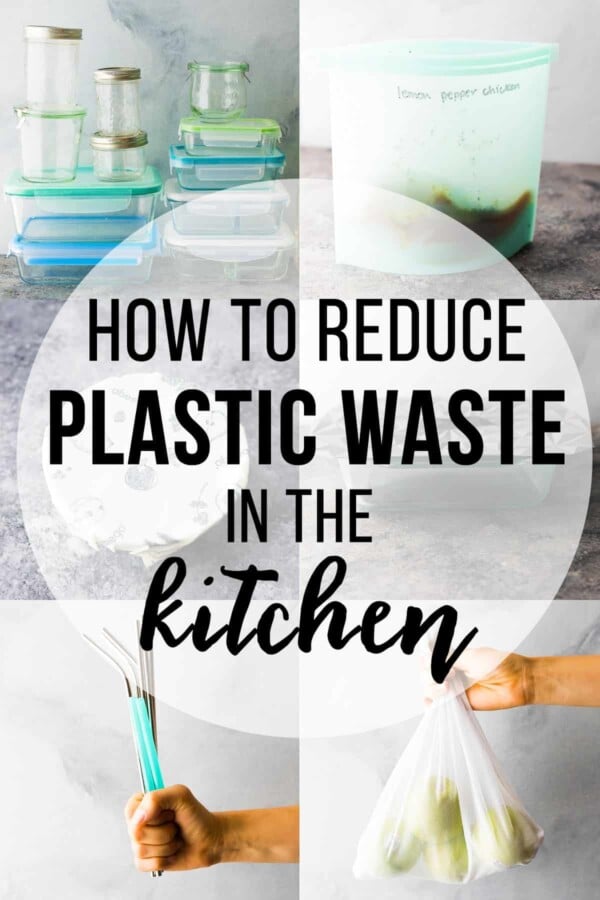
Credit: sweetpeasandsaffron.com
Smart Shopping Choices
Smart shopping choices help cut down plastic waste in the kitchen. They make a big difference. Choosing the right products and bags reduces the plastic that ends up in landfills and oceans.
Simple changes in shopping habits can save plastic every day. Small steps add up to a cleaner planet.
Choosing Bulk And Package-free Products
Buying in bulk means less plastic packaging. Many stores offer dry goods like rice, beans, and nuts in large bins. Use your own containers or bags to fill the amount you need. This choice cuts down single-use plastic bags and wrappers.
Package-free fruits and vegetables also reduce plastic use. Select loose items instead of pre-wrapped ones. This prevents extra plastic from entering your home and trash.
Opting For Reusable Bags And Containers
Reusable bags replace plastic bags at the store. Keep cloth or mesh bags in your car or purse. These bags last a long time and carry groceries safely.
Bring your own containers for deli, meat, or bulk items. Ask if stores allow you to fill your containers. This saves plastic wrap and disposable packaging.
Using reusable containers at home helps organize food without single-use plastics. Glass or stainless steel containers are sturdy and safe. They keep food fresh and cut down waste.
Plastic-free Food Storage
Plastic-free food storage helps reduce kitchen plastic waste. It keeps food fresh without harmful plastics. Using safer materials protects the environment and your health. Simple swaps can make a big difference in daily life.
Using Glass And Stainless Steel Containers
Glass and stainless steel containers are durable and safe. They do not absorb smells or stains. These containers keep food fresh longer. They are easy to clean and reusable for years. Glass containers are microwave and dishwasher safe. Stainless steel containers are lightweight and strong. Both options help cut down plastic use in the kitchen.
Alternatives To Plastic Wrap And Bags
Plastic wrap and bags create a lot of waste. Beeswax wraps are a natural, reusable alternative. They are flexible and stick to bowls or food. Silicone lids and storage bags offer a long-lasting option. Cloth bags with a waterproof lining work well for snacks. These choices reduce single-use plastics in everyday storage. They keep food fresh without harming the planet.

Credit: chefoodrevolution.com
Eco-friendly Kitchen Tools
Reducing plastic waste in the kitchen starts with choosing better tools. Eco-friendly kitchen tools help cut down on single-use plastics. They last longer and are safer for the environment. Small changes in kitchen tools make a big impact over time.
Switching To Bamboo And Metal Utensils
Bamboo utensils are strong and light. They do not break easily and are biodegradable. Bamboo grows fast, making it a good green choice. Metal utensils like stainless steel last for years. They do not rust or stain easily. Both bamboo and metal avoid plastic waste in daily cooking.
Replacing Disposable Items With Durable Options
Disposable items create a lot of trash. Replace plastic wrap with beeswax wraps or silicone lids. Use cloth bags instead of plastic sandwich bags. Choose reusable dishcloths over paper towels. Durable options save money and reduce waste. They keep your kitchen cleaner and greener every day.
Waste Reduction Habits
Reducing plastic waste in the kitchen starts with good habits. Small changes in daily routines help cut down on waste. These habits save money and protect the environment. Focus on what you can control in your own kitchen.
Composting Food Scraps
Composting turns food scraps into nutrient-rich soil. Instead of throwing peels and leftovers in the trash, collect them in a compost bin. This reduces the amount of waste sent to landfills. Composting lowers greenhouse gas emissions. It also creates natural fertilizer for plants. Start with fruit and vegetable scraps, coffee grounds, and eggshells.
Recycling Plastic Properly
Recycling plastic reduces the need for new plastic products. Rinse containers before recycling to avoid contamination. Check local recycling rules to know what plastics are accepted. Avoid recycling plastic bags in curbside bins; return them to stores instead. Sorting plastics correctly improves recycling quality. This helps keep more plastic out of landfills and oceans.
Diy And Upcycling Ideas
DIY and upcycling are great ways to cut down kitchen plastic waste. They help you reuse what you already have. This saves money and reduces trash. Small projects can make a big difference in your kitchen.
Using old plastic items creatively extends their life. This lowers the need to buy new plastic products. It also keeps plastic out of landfills and oceans.
Repurposing Plastic Containers
Plastic containers can be cleaned and reused many ways. Use them to store leftovers or dry goods like rice and beans. Label them to keep your kitchen organized. Small containers work well for spices and nuts.
Cut larger containers to make plant pots for herbs. They fit well on kitchen windowsills. You can also use plastic tubs to hold utensils or craft supplies. This keeps counters neat and plastic out of the trash.
Creating Reusable Kitchen Accessories
Make reusable items from plastic scraps to reduce waste. Use old plastic lids to create coasters or jar openers. Cut and sew plastic bags into sturdy shopping or produce bags.
Plastic bottle tops can become hooks or small storage holders. These simple tools save single-use plastic in your kitchen. They help you build a plastic-free routine with easy, handmade items.

Credit: oliveridleyproject.org
Frequently Asked Questions
How Can I Start Reducing Kitchen Plastic Waste Today?
Begin by using reusable bags, containers, and wraps. Avoid single-use plastics like straws and cutlery. Choose bulk items to reduce packaging waste. Small changes add up to big environmental benefits.
What Are Eco-friendly Alternatives To Plastic Kitchen Items?
Use glass, stainless steel, or bamboo for containers and utensils. Beeswax wraps replace plastic wrap. Cloth bags can substitute plastic bags. These options are durable and biodegradable.
How Do I Properly Recycle Kitchen Plastic Waste?
Check local recycling guidelines for accepted plastics. Rinse containers to remove food residue. Flatten items to save space. Avoid recycling contaminated or non-recyclable plastics to prevent landfill waste.
Can Composting Help Reduce Plastic Waste In Kitchens?
Composting reduces organic waste but doesn’t replace plastic reduction. Use compostable bags if needed. Focus on minimizing plastic use and recycling properly alongside composting.
Conclusion
Reducing kitchen plastic waste helps protect our planet. Small changes make a big difference over time. Use reusable bags, containers, and wraps instead of plastic. Choose products with less packaging when shopping. Compost food scraps to cut down waste. These steps save money and keep your kitchen clean.
Everyone can help by making simple choices daily. Start today and inspire others to join in. A cleaner kitchen means a healthier Earth for all.