
You’ll narrow your espresso machine choice by fixing three things first: your budget, how many drinks you make each day, and whether you want to grind and steam by hand. If you want a straight answer, most home buyers end up happy with a machine that has a real pump, a 58 mm or 54 mm portafilter, and a steam wand — usually costing a modest amount compared with the alternative. At the cheapest end, you’re buying a different drink, not espresso.
How to Pick an Espresso Machine
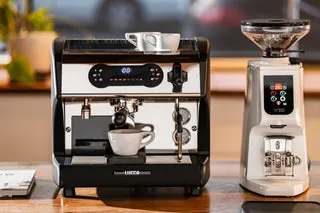
Work through these in order. Each step removes a group of machines, so by step 7 you’ll have two or three left to compare.
Set your real budget, including extras. Add a grinder and a scale to the machine price. A good burr grinder often costs as much as the machine itself, and without one your shots will taste sour or bitter no matter what you buy.
Count your daily drinks. One or two drinks a day suits a single boiler. Four or more, especially with milk, pushes you toward a heat exchanger or dual boiler so you’re not waiting between shots.
Decide who grinds the beans. If you want fresh coffee, buy a separate burr grinder and a machine without one. Machines with a built-in grinder save counter space but give you less control and are harder to repair.
Check the pump and portafilter size. Look for a machine rated at 9 bar with a portafilter of 58 mm or 54 mm. Those sizes have the widest choice of baskets and accessories, which matters more than the brand name on the front.
Look at the steam wand, not the milk frother. A metal wand you hold in a pitcher gives you silky microfoam. Automatic frothers are easier but produce thicker foam that’s harder to pour into latte art.
Measure your counter and ceiling space. Machines with a top-mounted water tank need clearance above them to refill. Check the height of your cabinets before you order anything.
Check the water and the plug. Most machines need a standard outlet, but some European models pull more power than a US kitchen circuit comfortably shares. Also confirm you can use filtered or soft water — hard water scales up the boiler over time.
Tip: Buy the grinder before the machine. An inexpensive machine with an inexpensive grinder beats a pricier machine with pre-ground coffee every single time.
How Much Should You Spend on Each Type?
Prices move with sales and regions, so treat these as bands rather than fixed numbers. The type matters more than the exact figure.
| Machine type | Typical price band | Best for | Main trade-off |
|---|---|---|---|
| Steam-powered | Under $100 | Very light use, milk drinks | Weak pressure, no real espresso |
| Single boiler | $150–$400 | 1–2 espresso shots a day | Wait time between brewing and steaming |
| Heat exchanger | $700–$1,500 | Several milk drinks daily | Temperature less stable than dual boiler |
| Dual boiler | $1,200–$2,500 | Daily milk drinks, two people | Costs more, takes more counter space |
| Manual lever | $200–$900 | Hands-on control | Steep learning curve, tiring for many shots |
The jump from single boiler to heat exchanger is the biggest quality step for milk drinkers, because you can steam while you brew.
How Long Does It Take to Pull a Shot?
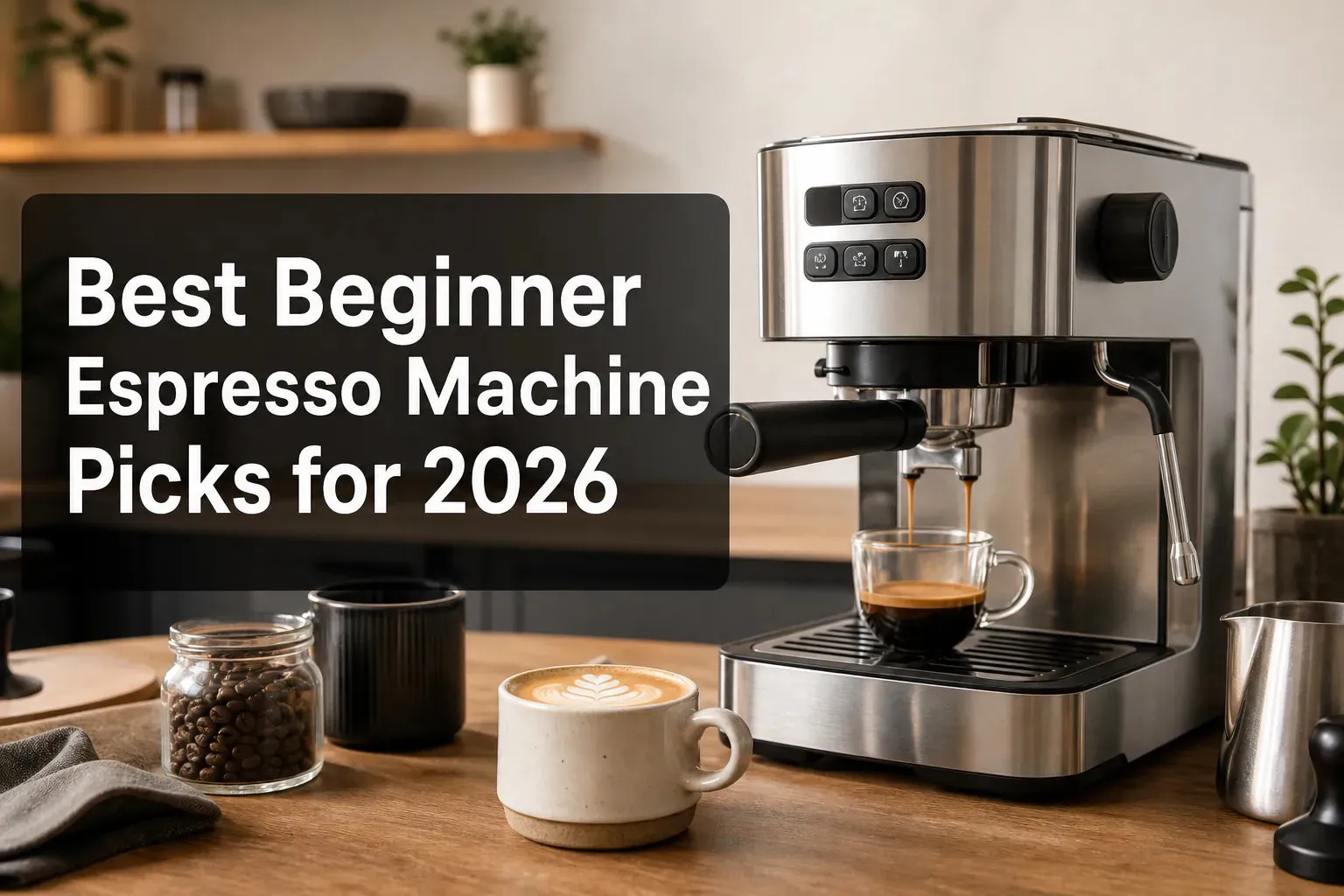
A normal espresso shot takes 25 to 30 seconds to run, after the machine is fully heated. That’s the shot itself — the warm-up is separate and much longer.
Warm-up time is where cheap and expensive machines differ most. A small single boiler needs about 5 minutes to reach temperature. Larger boilers and machines with an E61 group head often need 15 to 30 minutes to become fully stable, because the group head itself has to heat through.
Here’s what to expect across types:
| Machine type | Warm-up time | Shot time | Milk steaming time |
|---|---|---|---|
| Single boiler | About 5 minutes | 25–30 seconds | 30–60 seconds, after a short wait |
| Heat exchanger | 15–20 minutes | 25–30 seconds | 20–40 seconds, at the same time |
| Dual boiler | 15–25 minutes | 25–30 seconds | 20–40 seconds, at the same time |
| Manual lever | 5–10 minutes | 25–35 seconds | Depends on your technique |
If you want coffee the moment you wake up, a machine with a fast warm-up or a smart plug on a timer will serve you better than a bigger boiler.
Which Machine Fits Your Kitchen and Habits?
A machine that doesn’t fit your counter or your routine won’t get used, no matter how good the espresso is. Think about height, water access, and cleaning before you fall in love with a model.
Counter depth matters too. Some machines need several inches behind them for the portafilter handle to move, and a machine pushed against a wall can be awkward to use. Measure the space, then subtract a couple of inches of breathing room.
Water is the other quiet factor. Espresso machines heat water to around 200°F, and hard water leaves scale inside the boiler as it heats. Filtered or softened water slows that build-up, and the Water Quality Association explains how water hardness is measured if you want to test your own supply.
What Most Buyers Get Wrong
The most expensive mistake is spending the whole budget on the machine and leaving nothing for a grinder. Pre-ground coffee goes stale within days, and no machine can rescue stale coffee — you’ll get thin, sour shots and blame the machine.
The second mistake is buying a pressurized basket machine and expecting café results. Pressurized baskets are forgiving and work with any grind, which is why beginner machines include them. But they hide your mistakes instead of teaching you, so you can’t improve your technique over time.
The third is ignoring the milk side. If you drink mostly lattes and cappuccinos, the steam wand decides your happiness far more than the brew side does. A machine that brews beautifully but steams slowly will frustrate you every morning.
A fourth, quieter one: buying a machine with a built-in grinder and then finding replacement burrs cost nearly as much as the machine. Check that spare parts are still sold before you commit.
When Should You Skip Espresso and Buy Something Else?
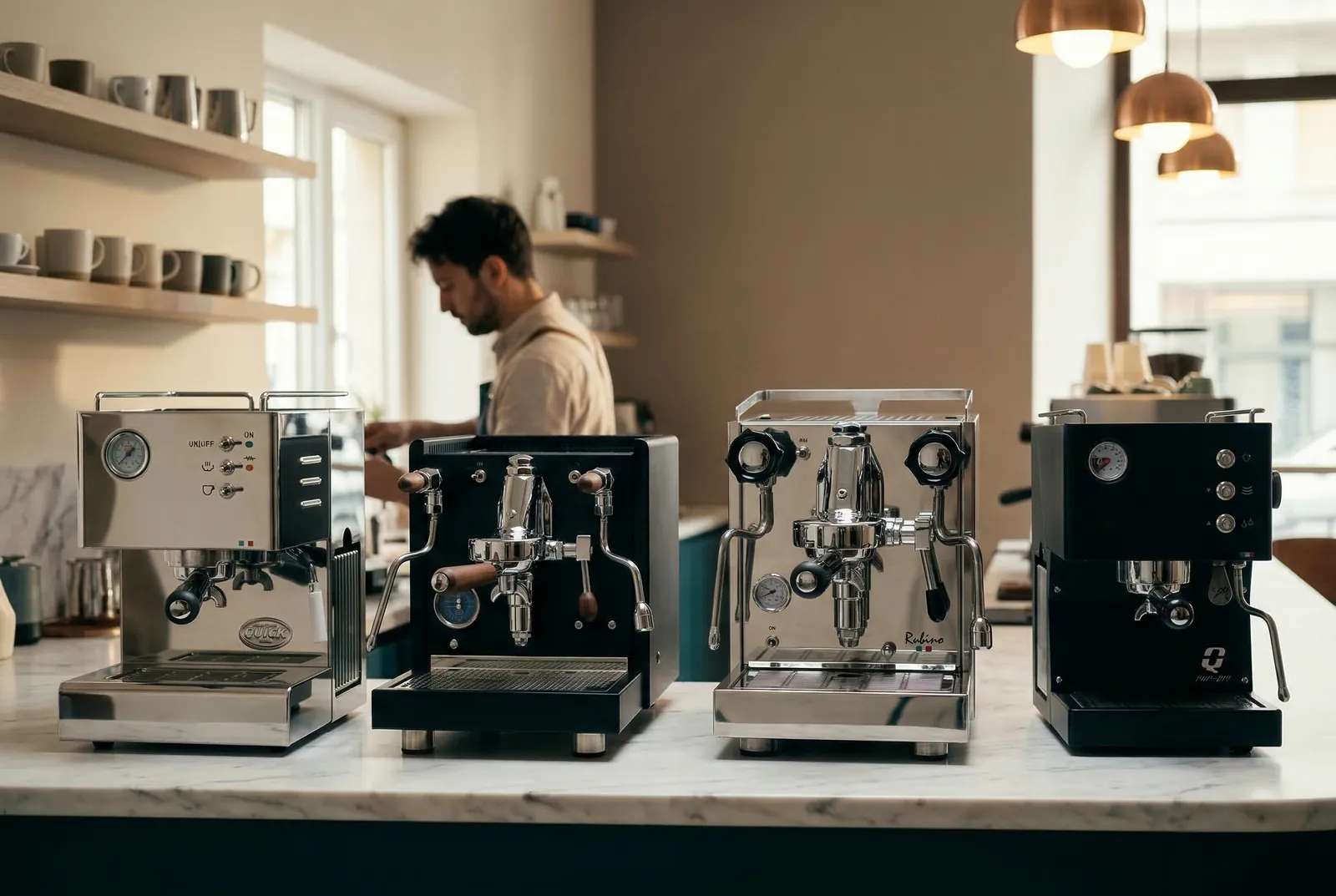
If you drink one coffee a day and mostly want it fast, a good drip machine or a moka pot will cost less and cause fewer headaches. Espresso rewards daily practice — the skill lives in your hands, not in the box.
If your counter is tiny or you move often, a manual lever or a compact single boiler makes more sense than a full-size dual boiler. And if nobody in the house drinks milk drinks, you can skip the steaming question entirely and put that money into a better grinder.
Nobody can tell you the perfect machine for your kitchen without knowing your counter height, your water hardness, and how many drinks you make on a busy morning. Write those three numbers down before you shop, and the shortlist builds itself.
Frequently Asked Questions
Is a more expensive espresso machine always better?
No. Above a certain point you’re paying for temperature stability, build materials, and milk capacity — not better-tasting espresso. A mid-range machine paired with a quality burr grinder will beat an expensive machine fed with stale pre-ground coffee, so spend the balance on your grinder first.
Can I use pre-ground coffee in an espresso machine?
Yes, but only with a pressurized basket, and the results will be flat and inconsistent. Ground coffee loses most of its aroma within days of grinding, so you’ll get weak shots no matter how good the machine is. Buy a burr grinder if you want café-style espresso at home.
Do I need a dual boiler if I only drink black coffee?
No. If you never steam milk, a single boiler handles everything you need and costs far less. Dual boilers exist to brew and steam at the same time, which only matters when you’re making milk drinks back to back. Save the money for a better grinder instead.
How often do I need to clean an espresso machine?
Daily rinsing of the portafilter and a weekly backflush with cleaner keeps most machines healthy, and a full descale depends on your water hardness. Soft or filtered water can stretch descaling to every few months, while hard water may need it far more often. Check your manual for the maker’s schedule.
Can I plug an espresso machine into a normal kitchen outlet?
Usually yes, but check the wattage on the label against your circuit. A machine sharing a circuit with a kettle, toaster, or microwave can trip the breaker when several run at once. If the label shows high wattage, give the machine its own outlet where possible.
Is a built-in grinder worth it?
It depends on your priorities. Built-in grinders save counter space and simplify your morning routine, but they offer fewer grind settings and are harder to repair or upgrade. A separate burr grinder gives you more control and usually lasts longer, though it takes up extra room.
Conclusion
Start by writing down your daily drink count, your counter height, and your water hardness, then take those three notes to a store that will let you pull a shot before you buy. Watching the steam wand work in person settles more questions than any spec sheet can.