
Are you ready to take your cooking skills to the next level? Imagine creating meals that not only taste amazing but also impress everyone around you.
Whether you’re a beginner or someone who wants to cook smarter and faster, knowing how to best cook can change the way you enjoy food every day. You’ll discover simple tips and tricks that make cooking easier, more fun, and more delicious.
Stick with me, and by the end, you’ll feel confident in the kitchen like never before. Let’s get started!
Essential Cooking Techniques
Essential cooking techniques form the foundation of every great meal. Learning these methods helps you cook with confidence and variety. They also improve the taste and texture of your dishes. Simple skills like sautéing or boiling can change your kitchen experience.
Sautéing And Stir-frying
Sautéing uses a small amount of oil in a hot pan. It cooks food quickly and evenly. Stir-frying is similar but uses very high heat and constant stirring. These methods keep vegetables crisp and meats tender. Use a wide pan to spread food evenly. Cut ingredients into small pieces for faster cooking.
Baking Basics
Baking cooks food using dry heat in an oven. It works well for bread, cakes, and casseroles. Preheat your oven to the right temperature for even cooking. Measure ingredients carefully to keep the balance. Avoid opening the oven door often, which cools it down. Use the middle rack for best heat circulation.
Grilling Tips
Grilling adds smoky flavor and crisp texture to food. Use direct heat for quick cooking, like burgers or steaks. Indirect heat suits larger items like whole chicken. Oil the grill to prevent sticking. Keep the lid closed to keep heat steady. Flip food once for even cooking on both sides.
Boiling And Steaming
Boiling cooks food in hot, bubbling water. It’s great for pasta, potatoes, and eggs. Use enough water to cover food fully. Steaming cooks food with hot steam, preserving nutrients and color. Use a steaming basket or rack above boiling water. Both methods are simple and healthy ways to cook.
Choosing Quality Ingredients
Choosing quality ingredients is the first step to great cooking. The taste of your dish depends on what you use. Fresh, good ingredients bring out natural flavors. Poor ingredients can make food bland or tough.
Focus on picking the best produce, meats, and seasonings. Know how to spot freshness and quality. This helps you cook meals that everyone will enjoy.
Fresh Vs. Frozen
Fresh ingredients often taste better and have more nutrients. They add bright colors and textures to your food. Frozen items can be a good choice too. They are picked and frozen at peak ripeness. This keeps vitamins and flavor locked in. Check the packaging date and avoid freezer burn. Use frozen foods within a few months for best taste.
Seasonal Produce
Seasonal fruits and vegetables cost less and taste sweeter. They grow naturally in their right time. This means they have more nutrients and flavor. Local markets usually offer fresh seasonal picks. Eating seasonally supports farmers and reduces food miles. Try to plan meals around what’s in season.
Selecting Meats And Seafood
Choose meats that look firm and have a fresh smell. Avoid any slimy or discolored cuts. For seafood, clear eyes and bright skin show freshness. Smell should be mild, not fishy. Buy from trusted sellers who keep products cold. Fresh meat and seafood cook better and taste richer.
Herbs And Spices
Fresh herbs add lively flavor and aroma to dishes. Pick bright, green leaves without spots or wilting. Dried herbs and spices should be stored in airtight containers. Check expiration dates and avoid powders that clump. Fresh spices often have stronger flavor. Use herbs and spices to enhance, not overpower, your food.
Kitchen Tools And Equipment
Having the right kitchen tools makes cooking easier and more fun. Good equipment helps you prepare meals faster and with less effort. Choosing the best tools fits your cooking style and needs.
Must-have Utensils
Some utensils are essential in every kitchen. A sharp chef’s knife cuts vegetables cleanly and safely. A cutting board protects your counters and keeps food safe. Measuring cups and spoons help with accurate recipes. Spatulas, tongs, and ladles make stirring and serving simple. Mixing bowls in different sizes help with all kinds of recipes. These basic tools cover most cooking tasks.
Cookware Selection
Choose cookware that suits your cooking habits. Non-stick pans are easy to clean and good for eggs or pancakes. Stainless steel pots and pans last long and cook evenly. Cast iron skillets hold heat well for frying or baking. Use pots with tight lids to keep steam inside. A few good pans cover frying, boiling, and simmering needs. Avoid clutter by selecting versatile pieces.
Using Appliances Efficiently
Appliances save time but need proper use. A blender can mix soups, sauces, and smoothies quickly. Slow cookers make tender meals with little effort. Microwaves heat food fast without drying it out. Keep appliances clean to work well longer. Use each appliance for its best purpose. This saves energy and improves cooking results.

Credit: www.simplyrecipes.com
Flavor Building Techniques
Building flavor is the heart of great cooking. It turns simple ingredients into tasty meals. Using flavor building techniques helps food taste richer and more complex. These methods work by adding depth step by step.
Understanding how to balance tastes and enhance ingredients makes cooking more enjoyable. Small changes bring big differences to your dishes.
Layering Flavors
Layering flavors means adding ingredients in stages. Each layer adds a new taste or aroma. Start with basic seasonings like salt and pepper. Then add herbs, spices, and acids as you cook. This creates a rich and deep flavor.
For example, sauté onions and garlic first. Add spices next to toast their aroma. Finish with fresh herbs or a splash of lemon juice. The layers build on each other for better taste.
Marinating Secrets
Marinating adds flavor and tenderizes meat or vegetables. Use an acid like vinegar or citrus juice to soften food. Add oil to help carry flavors deep inside. Include spices, herbs, and a little salt for taste.
Let food sit in the marinade for at least 30 minutes. Longer marinating makes flavors stronger. Avoid too much acid or marinate time to keep texture firm. A good marinade makes food juicy and full of flavor.
Balancing Sweet, Sour, And Umami
Balancing flavors means mixing sweet, sour, and umami tastes. Sweetness can come from sugar, honey, or fruit. Sourness comes from lemon juice, vinegar, or yogurt. Umami is the savory taste found in soy sauce, mushrooms, and cheese.
Too much of one taste can overpower a dish. Taste your food as you cook. Add small amounts of sweet or sour to balance the umami. This mix makes food more interesting and delicious.
Time-saving Cooking Tips
Saving time in the kitchen helps you enjoy cooking without stress. Simple habits can make your cooking faster and easier. These tips focus on planning and smart cooking methods. Spend less time cooking and more time enjoying your meals.
Meal Prepping
Meal prepping means preparing ingredients ahead of time. Chop vegetables, cook grains, and portion proteins in advance. Store them in containers for quick use later. This cuts down daily cooking time and reduces kitchen mess. It also helps with healthy eating by having ready-to-use meals.
Batch Cooking
Batch cooking involves making large amounts of food at once. Cook soups, stews, or casseroles in big pots. Freeze portions for busy days or quick dinners. It saves time by avoiding cooking every day. You get homemade meals ready to eat anytime.
Quick Weeknight Meals
Choose simple recipes with few ingredients for weeknights. Use one-pot dishes or sheet pan meals for easy clean-up. Stir-fries and pasta dishes cook in under 30 minutes. Keep pantry staples like canned beans and pasta handy. These meals help you eat well without long cooking times.
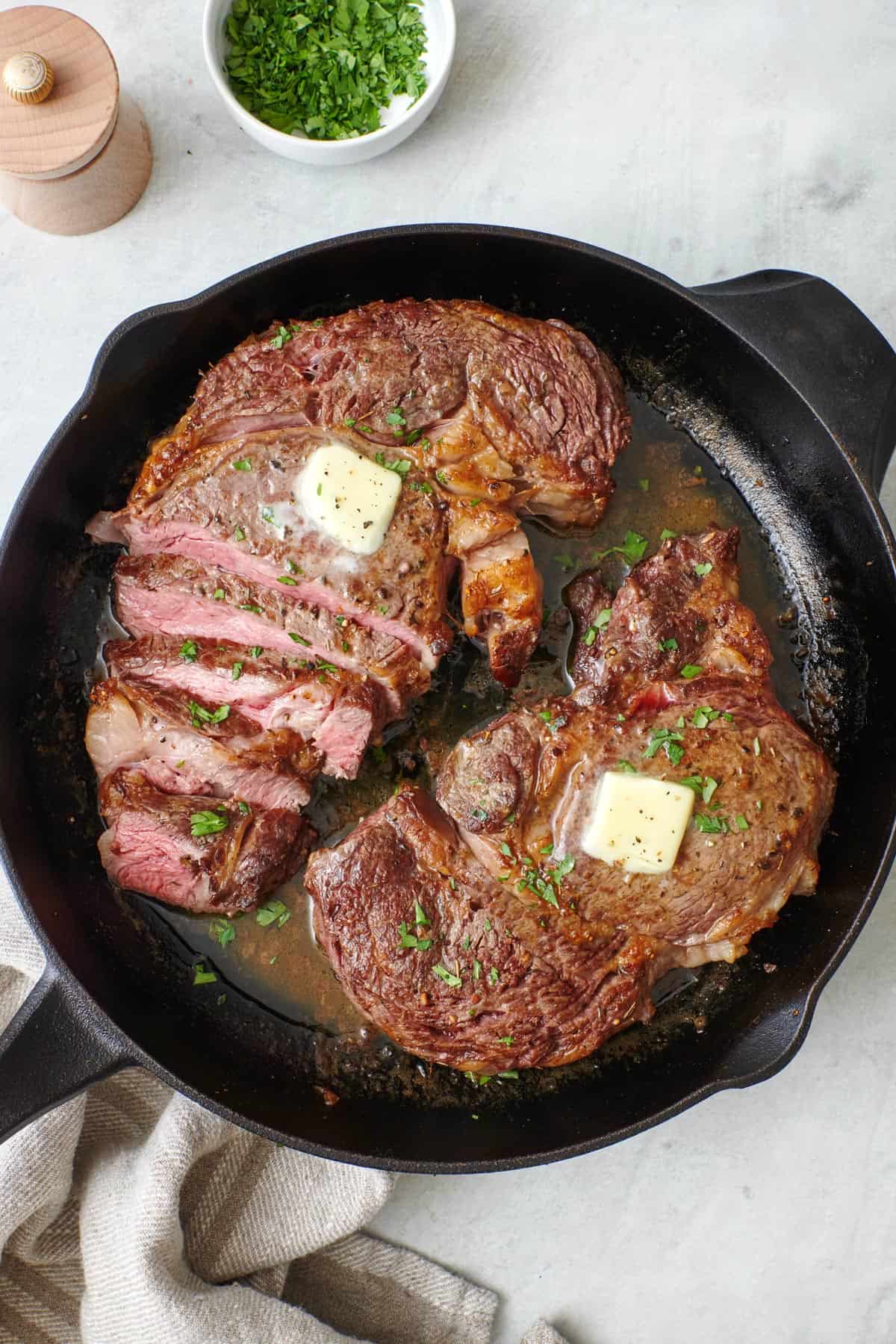
Credit: feelgoodfoodie.net
Common Cooking Mistakes To Avoid
Cooking is a fun and rewarding skill. Many beginners make simple mistakes that affect taste and safety. Avoiding these errors helps you cook better meals. Focus on the basics to improve quickly.
Overcooking And Undercooking
Overcooking food makes it dry and tough. Undercooking leaves food raw and unsafe. Use timers to track cooking time. Check food often with a fork or thermometer. Cook meat to the right temperature for safety.
Improper Seasoning
Too much salt or spices can ruin a dish. Too little seasoning makes food bland. Add small amounts of salt and spices step by step. Taste your food during cooking. Adjust flavors slowly to get the best taste.
Neglecting Food Safety
Food safety prevents illness and keeps meals fresh. Wash hands and surfaces before cooking. Separate raw and cooked foods to avoid germs. Store food at the right temperature. Cook leftovers quickly or throw them away.

Credit: www.health.com
Frequently Asked Questions
What Are The Essential Cooking Skills Beginners Need?
Beginners should master chopping, sautéing, boiling, and seasoning basics. These skills build a strong foundation for diverse recipes. Practicing these techniques improves confidence and efficiency in the kitchen. Learning proper knife handling and timing also enhances cooking quality and safety.
How Do I Choose The Best Cooking Utensils?
Select utensils based on durability, material, and cooking style. Stainless steel and silicone tools are versatile and safe. Prioritize ergonomic handles for comfort and control. High-quality utensils improve cooking precision and ease, making meal preparation more enjoyable and efficient.
What Cooking Methods Produce The Healthiest Meals?
Steaming, grilling, and baking preserve nutrients and reduce fat. These methods avoid excessive oil and maintain natural food flavors. Using minimal added salt and sugar enhances health benefits. Choosing fresh ingredients complements healthy cooking techniques for better nutrition.
How Can I Improve Flavor Without Extra Calories?
Use herbs, spices, lemon juice, and vinegar to boost flavor. These add depth without adding fat or sugar. Experiment with garlic, ginger, and fresh herbs for variety. Enhancing natural tastes makes meals satisfying and healthy simultaneously.
Conclusion
Cooking well takes practice and patience. Start with fresh ingredients and follow simple steps. Taste your food as you cook. Adjust flavors to suit your liking. Use the right tools and keep your kitchen clean. Enjoy the process and try new recipes often.
Sharing meals brings joy and connects people. Keep learning, and cooking will become easier and fun. Everyone can cook great food with time and care.