
How Good are Ceramic Cookware Sets? A Guide to Choosing the Right One
Choosing the right cookware set can change the way you cook—and enjoy—your meals. But with so many options out there, it’s easy to feel overwhelmed and unsure where to start.
With so many options out there, it’s easy to feel overwhelmed and unsure about what will work best for your cooking style and health needs. Imagine cooking your favorite meals with pots and pans that are not only stylish but also safe and easy to clean.
You’ll discover how good ceramic cookware sets really are, what makes them stand out, and whether they could be the perfect fit for your kitchen. Keep reading to find out everything you need to know before making your next cookware purchase.
Benefits Of Ceramic Cookware
Ceramic cookware offers many benefits that make it a popular choice in kitchens. It combines safety, efficiency, and ease for everyday cooking. Understanding its advantages helps you decide if it suits your cooking needs.
Non-toxic Cooking Surface
Ceramic cookware has a natural, non-toxic surface. It does not release harmful chemicals during cooking. This makes it safer for your health compared to some metal pans. It also keeps food free from unwanted flavors.
Even Heat Distribution
Ceramic pans spread heat evenly across the surface. This means food cooks uniformly without hot spots. Even heat helps prevent burning and undercooking. It saves energy and improves cooking results.
Ease Of Cleaning
The smooth ceramic coating is easy to clean. Food does not stick, so washing is quick and simple. Most ceramic cookware is dishwasher safe, which adds convenience. It keeps your kitchen routine hassle-free.
Materials And Construction
Ceramic cookware sets are popular for their clean look and non-stick surface. The materials and construction play a big role in how well they cook and last. Understanding these details helps you pick the right set for your kitchen.
Types Of Ceramic Coatings
Ceramic coatings come in many types. Some are made from pure ceramic, while others mix ceramic with other materials. Pure ceramic coatings are smooth and non-stick. Mixed coatings add strength and heat resistance. These coatings do not use harmful chemicals. They offer a safe cooking surface for everyday use.
Base Materials Used
The base of ceramic cookware affects heat distribution. Most sets use aluminum or stainless steel bases. Aluminum heats quickly and spreads heat evenly. Stainless steel is strong and resists warping. Some cookware uses a layered base to combine both metals. This mix improves cooking performance and durability.
Impact On Performance
The materials and construction affect cooking results. Good ceramic coatings prevent food from sticking. They make cleaning easy and fast. A strong base helps cook food evenly. Poor materials can cause hot spots or damage. Well-made ceramic cookware can last long and cook well every time.
Durability Factors
Durability is a key factor in choosing ceramic cookware sets. It affects how long the cookware lasts and how well it performs over time. Understanding durability helps you pick the right set for your kitchen needs.
Scratch Resistance
Ceramic cookware often has a smooth, non-stick surface. This surface resists scratches better than many other materials. Still, using metal utensils can cause damage. Wooden or silicone tools protect the coating and keep it intact.
Heat Tolerance
Ceramic cookware can handle high heat. Most sets can safely go up to 450°F or more. This makes them good for frying and baking. Overheating, though, may cause the ceramic to weaken or discolor.
Chipping And Cracking Risks
Ceramic is strong but can chip or crack if dropped. Sudden temperature changes also cause damage. Avoid placing hot cookware on cold surfaces or adding cold water to hot pots. Proper care extends the cookware’s life.
Comparing Ceramic To Other Cookware
Choosing the right cookware set can change your cooking experience. Ceramic cookware is popular for many reasons. It offers a unique combination of benefits. Comparing ceramic to other common cookware types helps you decide what fits your kitchen best. This comparison looks at ceramic, non-stick, stainless steel, and cast iron cookware.
Ceramic Vs Non-stick
Ceramic cookware has a natural, non-stick surface made from silica. Non-stick pans use synthetic coatings like Teflon. Ceramic is free from chemicals like PFOA and PTFE. It heats evenly and can handle higher temperatures without damage. Non-stick pans are easier to clean but may wear out faster. Ceramic cookware is more durable but needs gentle cleaning to keep its surface.
Ceramic Vs Stainless Steel
Stainless steel is strong and does not react with food. It is great for browning and searing. Ceramic cookware heats more evenly and prevents food from sticking. Stainless steel needs oil or butter to cook without sticking. Ceramic is lighter and easier to handle. Stainless steel is better for high-heat cooking and durability. Ceramic works well for gentle cooking and easy cleanup.
Ceramic Vs Cast Iron
Cast iron is heavy and retains heat for a long time. It gives a crispy texture to food. Ceramic heats quickly but cools faster than cast iron. Cast iron needs seasoning to keep its surface non-stick. Ceramic is ready to use right away with no seasoning needed. Cast iron is tougher but harder to clean. Ceramic is lighter and better for everyday cooking.
Choosing Quality Ceramic Sets
Choosing a good ceramic cookware set means thinking about more than just looks. Quality affects how long the set lasts and how well it cooks. Good ceramic sets heat evenly and clean easily. Poor quality sets may chip or lose their non-stick surface fast. It pays to pick sets made with strong materials and good design.
Check details about the brand and customer experiences. Look at the support offered by the maker. These points help find reliable ceramic cookware that fits your kitchen needs.
Brand Reputation
Strong brands build trust with quality products. They use better materials and testing methods. Brands with a good name often offer safer, longer-lasting ceramic cookware. Avoid unknown brands with little information. A known brand means you get what you pay for.
Customer Reviews
Read what buyers say about the cookware. Real user reviews reveal how the set works daily. Look for comments on durability, heat distribution, and ease of cleaning. Multiple positive reviews point to a reliable product. Negative reviews may warn about common issues.
Warranty And Support
Check if the cookware comes with a warranty. A warranty shows the maker stands behind their product. Good support helps if parts break or the set has problems. It adds peace of mind and saves money on repairs or replacements.
:max_bytes(150000):strip_icc()/ses-primary-ceramic-cookware-sets-rkilgore-1050-07c2b1d2c93e4dff9d24ae2d49117f4d.jpeg)
Credit: www.thespruceeats.com
Care And Maintenance Tips
Caring for ceramic cookware sets helps keep them looking new and working well. Proper care extends their life and maintains cooking quality. Simple steps make cleaning and storing easy. Avoiding common mistakes protects the ceramic coating from damage. Follow these tips to enjoy your cookware longer.
Cleaning Best Practices
Use warm, soapy water and a soft sponge for cleaning. Avoid abrasive scrubbers that can scratch the surface. Let the cookware cool before washing to prevent cracks. For tough stains, soak in warm water for a few minutes. Dry thoroughly with a soft cloth after washing.
Storage Suggestions
Store ceramic pots and pans in a dry place. Stack carefully with soft cloth or paper towels between them. Avoid placing heavy items on top to prevent chips. Keep lids separate or upside down to save space. Proper storage stops damage and keeps cookware ready to use.
Avoiding Common Mistakes
Do not use metal utensils on ceramic surfaces. Avoid sudden temperature changes to prevent cracking. Do not use high heat; medium or low heat works best. Avoid dishwasher use, as harsh detergents may harm the coating. Follow these rules to keep your ceramic cookware safe and effective.
Cost And Value Considerations
Choosing ceramic cookware sets involves thinking about cost and value. These pans can vary a lot in price. Understanding what you get for the price helps you make the best choice. Good ceramic cookware can last a long time and offer healthy cooking options. It is important to weigh upfront costs against long-term benefits.
Price Ranges
Ceramic cookware sets come in many price ranges. Budget sets may cost under $50. Mid-range options often fall between $50 and $150. High-end sets can go beyond $200. Price depends on brand, size, and quality. More expensive sets usually offer better durability and non-stick surfaces. Low-cost sets might wear out faster or chip easily.
Long-term Investment
Think of ceramic cookware as a long-term investment. Good sets last several years with proper care. They avoid the health risks of some non-stick coatings. Durable ceramic pans save money over time. Replacing cheap pans often costs more in the long run. Investing in quality sets means better cooking and less waste.
When To Upgrade
Upgrade your ceramic cookware when the surface chips or peels. Scratches can reduce non-stick effectiveness. Warped pans do not heat evenly. If food sticks or burns often, it might be time to replace. Also, consider upgrading for larger sets or better features. Proper care extends life but not forever.
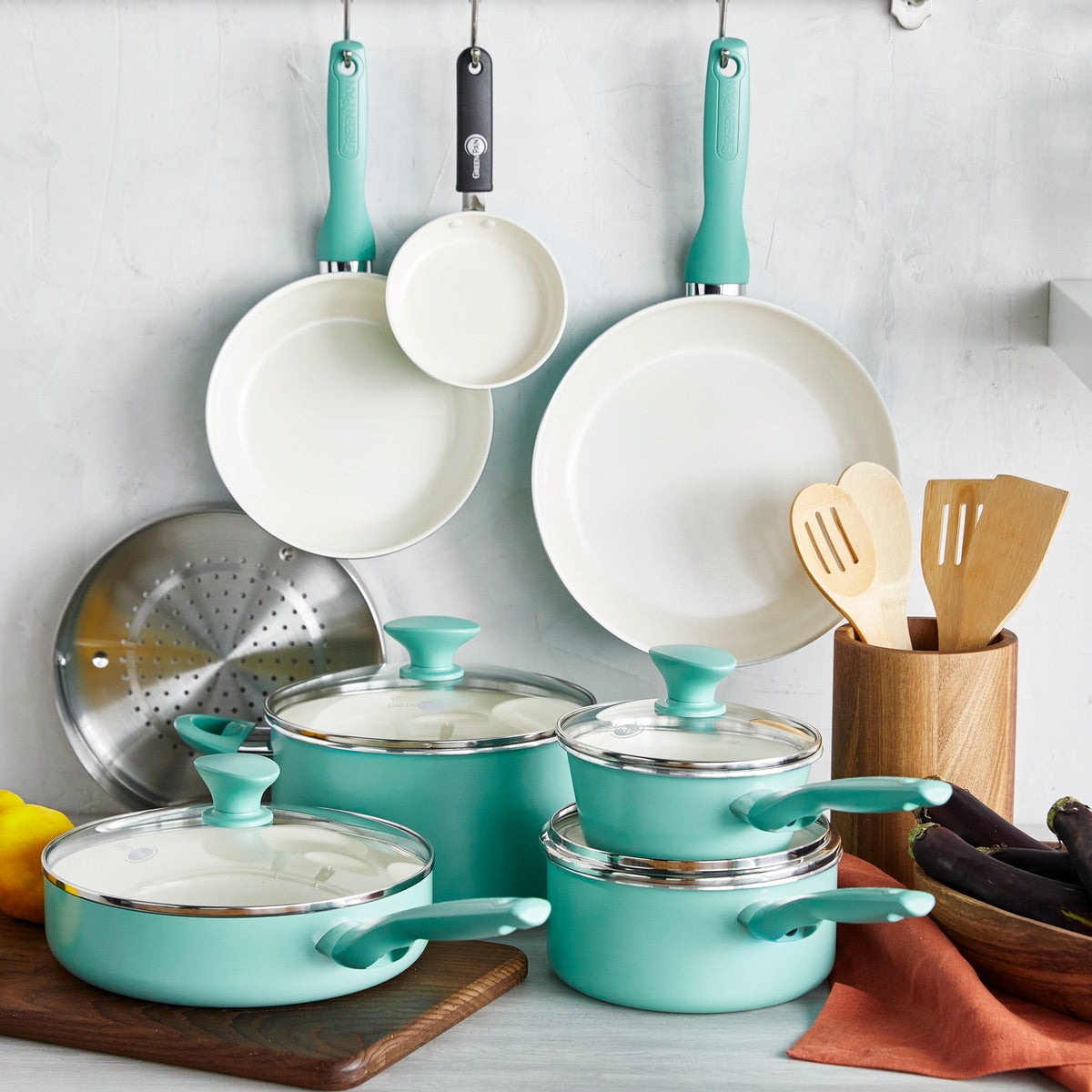
Credit: www.greenpan.us

Credit: www.amazon.com
Frequently Asked Questions
What Are The Benefits Of Ceramic Cookware Sets?
Ceramic cookware offers even heat distribution and non-stick properties. It is chemical-free, eco-friendly, and easy to clean. These sets are lightweight and visually appealing, enhancing kitchen aesthetics. They are safe for most cooking methods and reduce the risk of food sticking or burning.
Are Ceramic Cookware Sets Safe For Health?
Yes, ceramic cookware is generally safe. It contains no harmful chemicals like PFOA or PTFE. The non-toxic coating prevents leaching into food. However, avoid overheating to maintain safety and durability. Proper use ensures healthy cooking without toxic exposure.
How Durable Are Ceramic Cookware Sets?
Ceramic cookware is moderately durable with proper care. It resists scratches and heat well but can chip if dropped. Avoid metal utensils to prolong lifespan. With careful handling, these sets last several years, maintaining their non-stick surface and appearance.
Can Ceramic Cookware Sets Be Used On All Stovetops?
Most ceramic cookware works on gas, electric, and glass stovetops. However, they may not be compatible with induction cooktops unless specified. Always check manufacturer guidelines. Using on appropriate stovetops prevents damage and ensures optimal cooking performance.
Conclusion
Ceramic cookware sets offer many benefits for everyday cooking. They heat evenly and clean up with ease. These sets are often free of harmful chemicals. You can cook healthy meals with less oil. They work well on most stovetops. Still, they need gentle care to last longer.
Choosing the right set depends on your needs and budget. Overall, ceramic cookware can be a good choice for simple, safe cooking. Try one to see how it fits your kitchen style.