
An Instant Pot air fryer lid works by blowing very hot air — usually between 300°F and 400°F — down onto your food in a fast, steady circle. A heating coil warms the air, a fan pushes it around, and the moving air pulls moisture off the surface. That’s what makes food crisp without deep oil.
How an Instant Air Fryer Works
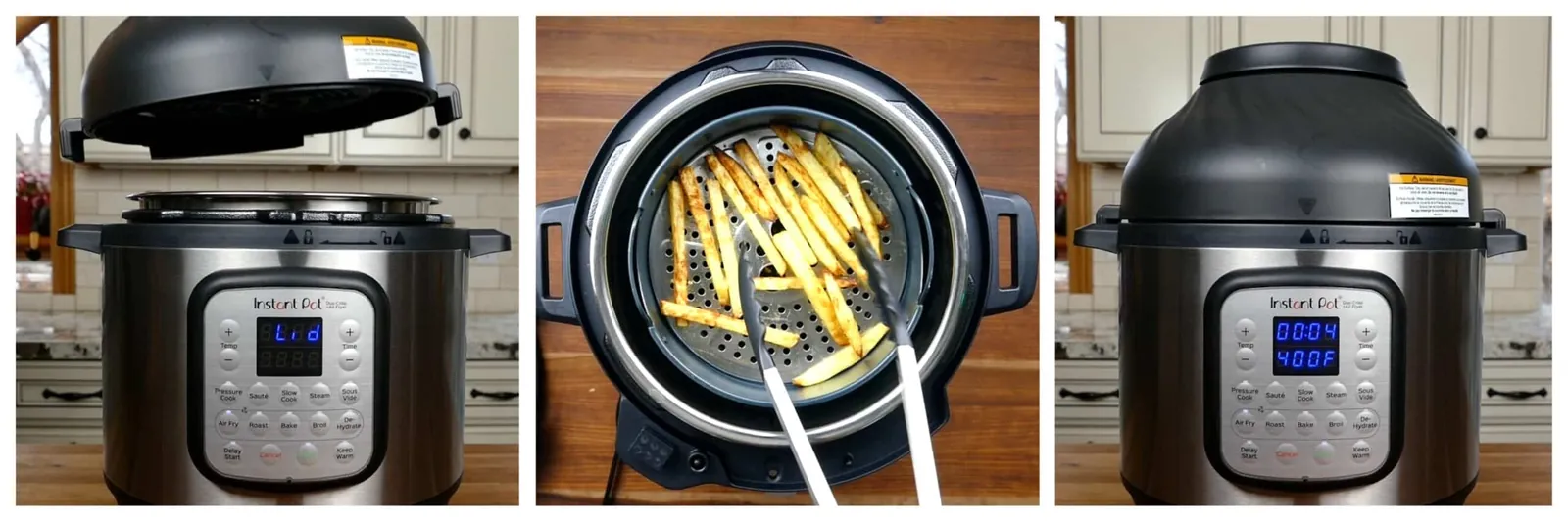
An air fryer is a small oven with a strong fan. That’s the whole idea, and once you see it that way, nothing about the machine feels confusing.
The heating element sits near the top. The fan sits right behind it and pushes air past the hot coil, then down through the basket. The air hits your food, picks up moisture, and gets pulled back up to be heated again. This loop runs the whole time you cook.
The basket has holes so air can reach the food from below too. If you pile food too deep, air can’t move through it, and the bottom stays soft while the top browns. One layer, or two at most, is what the design expects.
Crispiness comes from speed, not from oil. Fast-moving hot air dries the surface quickly, and that dry surface browns. Oil helps browning and flavor, but it doesn’t create the crunch on its own — the airflow does.
Tip: Shake the basket halfway through. Food sitting in one spot gets air on the top only, and the underside stays pale.
What the Buttons and Modes Are Doing
Most preset modes are just a temperature and a time, picked for you. “Fries” might mean 400°F for 18 minutes; “bake” might mean 325°F for 25 minutes. The fan runs in all of them.
That means you can ignore the presets completely and set your own temperature and time. Nothing breaks. The presets are shortcuts, not rules.
Two things do change the result: how full the basket is, and how big each piece is. A full basket needs more time and a shake in the middle. Small pieces cook faster than thick ones at the same setting.
| Food | Temperature | Time | Notes |
|---|---|---|---|
| Frozen fries | 400°F | 15–20 min | Shake at halfway |
| Chicken wings | 380°F | 22–28 min | Shake twice, pat dry first |
| Fresh vegetables | 375°F | 10–15 min | Toss in a little oil |
| Reheating pizza | 350°F | 3–5 min | Single layer only |
| Salmon fillet | 375°F | 8–12 min | Thicker pieces need longer |
These are starting points. Your machine, your basket size, and how much you put in will move the numbers, so check the food rather than trusting the clock.
Is an Air Fryer Lid the Same as a Built-In One?
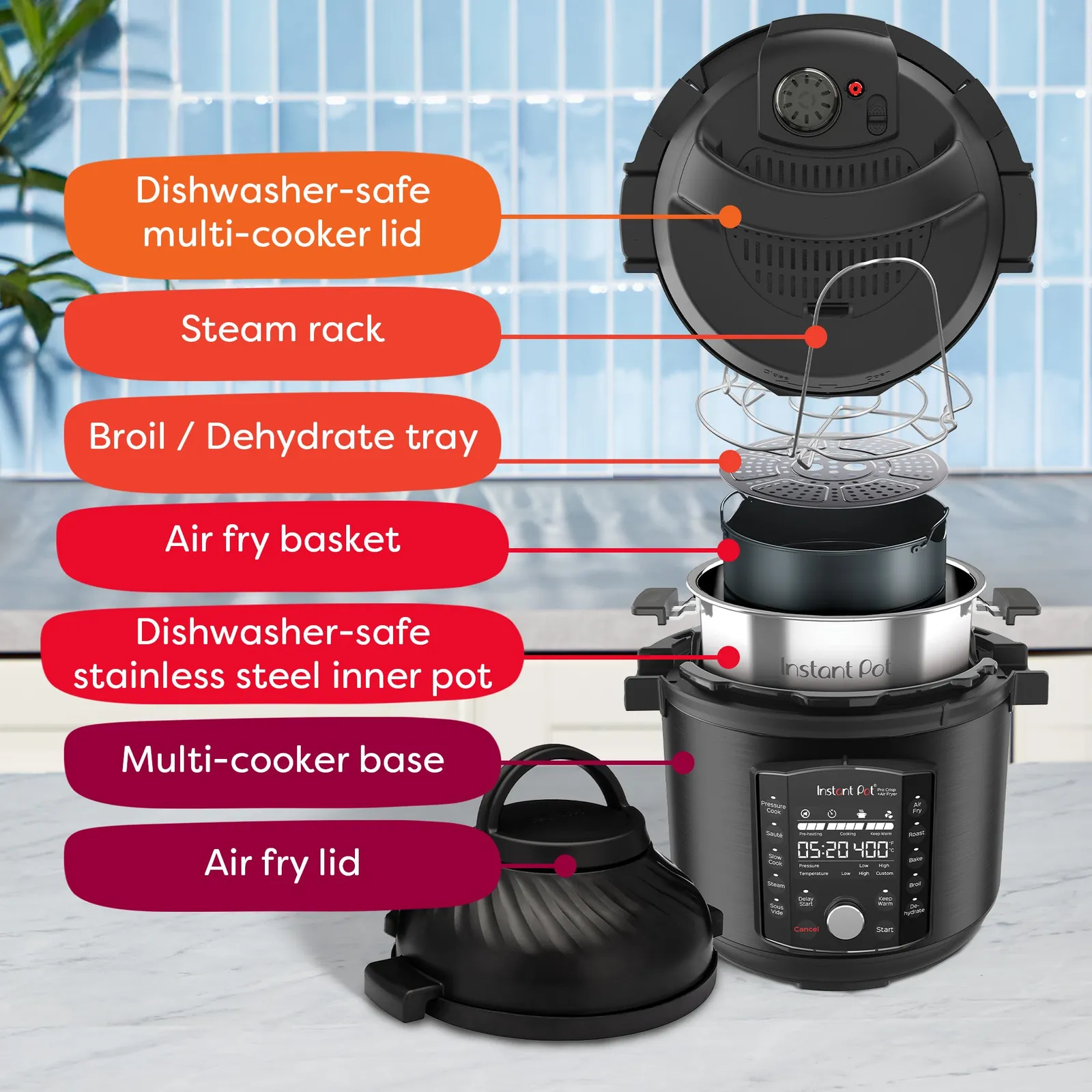
No. A lid that sits on top of an Instant Pot cooks in the pot’s inner pot, and the fan and coil are inside the lid. A built-in air fryer model has the same parts but they’re fixed in the body.
The cooking is the same in both. Hot air moves fast, the surface dries, and the food browns. The difference is space: a lid gives you the depth of the inner pot, which is good for taller items, while a built-in basket is usually wider and flatter.
If you’re choosing between them, think about what you cook most. Tall items like a whole small chicken fit better under a lid. Flat, spread-out foods like fries and nuggets do better in a wide basket.
How Long Does It Take Compared to a Regular Oven?
It’s usually faster, often by a third or more, because the cooking space is small and the air moves constantly. A regular oven has to heat a large box, and the air inside it drifts rather than circulates hard.
The gap grows when you cook small amounts. One portion of fries in a big oven takes the same time as a full tray, since the oven doesn’t care how much is inside. An air fryer heats only the small space around the food.
The gap shrinks when you fill the basket. Load it too high and you lose the airflow advantage, and the food steams instead of crisping. You’ll also need to shake or turn it more often.
What You Shouldn’t Put in It
Lightweight items can lift and touch the heating coil. Loose herbs, small pieces of parchment, and very light wrappers are the usual culprits. Anything that could rise into the element is a fire risk, so weigh it down or leave it out.
Wet batters don’t work either. The coating slides off before it sets, and you end up with a mess on the basket. Use a dry coating like flour, breadcrumbs, or a light oil rub instead.
Very fatty foods can smoke. Bacon and fatty sausages release grease that drips onto the hot parts below. If you cook them, pour off the fat as you go and keep the amount small.
Why Your Food Comes Out Soft or Uneven
Why are my fries soggy in the middle?
Too much food in the basket is the usual reason. Air can’t reach the pieces packed in the center, so they steam. Cook in smaller batches, or shake every few minutes so the pieces change position.
Why is the top burnt but the bottom raw?
The food is sitting still under the coil. The top gets direct heat while the underside never sees it. Shake or flip halfway through — this one habit fixes most uneven results.
Why does my food taste dry?
You’re cooking it too long, or the pieces are too thin for the time you set. Air frying pulls moisture out fast, which is what makes it crisp, but past a point it keeps pulling. Start with the shorter time in the table and add minutes if needed.
Why is there white smoke?
Grease from a previous cook is burning on the heating element. Let the machine cool, then wipe the coil area and the basket clean. A little smoke at high heat with fatty food is normal; a lot of it means it needs a clean.
When Not to Use It
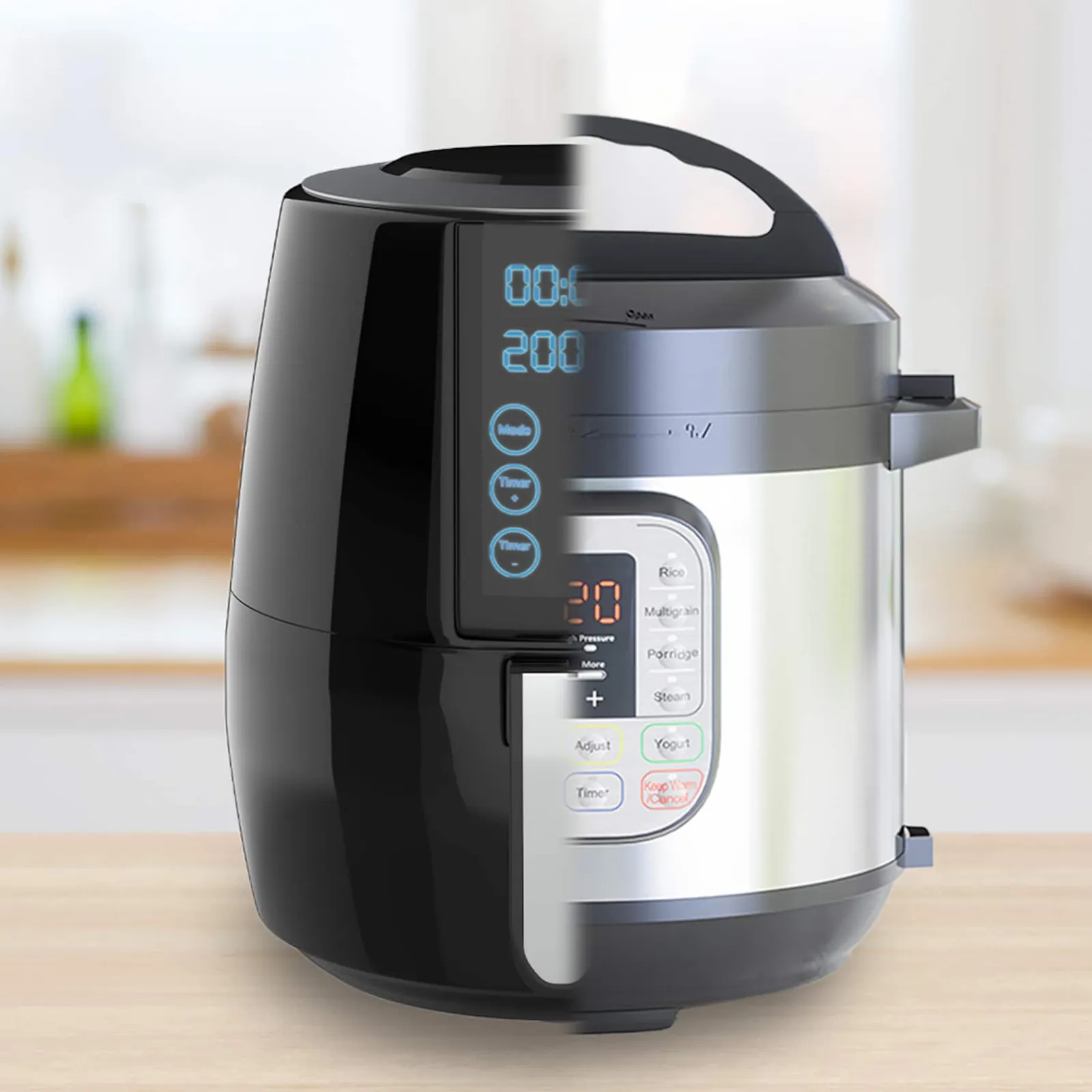
This isn’t the right tool for everything. Wet, saucy dishes, big roasts, and anything that needs a long slow cook are better in a regular oven or a slow cooker. The air fryer is built for small, dry, quick cooking.
It’s also not a deep fryer. You won’t get the same heavy crust on battered fish or doughnuts, because there’s no oil to flash-fry the coating. It gets close on breaded and frozen foods, and that’s the catch.
If your machine is a lid that sits on a pot, check the maker’s guide for which inner pots it fits. Using the wrong one can block airflow or damage the coating, and only the manufacturer’s own instructions settle that for your exact model.
Frequently Asked Questions
Can I put foil or parchment in an air fryer?
Yes, if you weigh it down with food and never let it touch the heating coil. Loose foil or paper can lift in the strong airflow and start a fire. Cut it to fit the basket and keep the edges low.
Do I need to preheat it?
For most frozen and breaded foods, yes — 3 to 5 minutes at the cooking temperature helps the surface brown faster. For leftovers and reheating, you can skip it and just add a minute or two to the time.
Is air-fried food actually healthier?
It uses far less oil than deep frying, so it cuts added fat. The food itself doesn’t change — fries are still fries. Think of it as a lighter cooking method, not a health food.
Can I cook raw meat in it?
Yes. Chicken, fish, and small cuts of pork cook fine, and you should check them with a food thermometer. The U.S. Department of Agriculture publishes the safe minimum internal temperatures for meat and poultry on its safe minimum internal temperature chart.
Why does my air fryer smell like plastic when it’s new?
A new machine often gives off a slight smell for the first few uses as manufacturing residue burns off. Run it empty for a few minutes in a ventilated room before your first cook, following the maker’s instructions. If the smell continues after several uses, stop and contact the maker.
Can I stack food in the basket?
You can, but the pieces in the middle won’t crisp well. Keep it to one layer for the best result, or two thin layers with a shake halfway. Stacking three or more turns the basket into a steamer.
Conclusion
Once you’ve cooked a few batches, you’ll start judging by look and sound instead of the clock — the sizzle gets louder as the surface dries. Pick one food you cook often, note the time that worked in your machine, and build from there.