
Have you ever wondered what really happens inside your microwave oven when you press start? You put your food in, set the timer, and just moments later, it’s hot and ready to eat.
But how does this magic actually work? Understanding how a microwave heats your food can help you use it better, save time, and even improve the taste of your meals. Keep reading, and you’ll discover the surprising science behind this everyday kitchen helper—and why it’s so different from regular cooking methods.
Microwave Oven Basics
Microwave ovens are common in many kitchens. They heat food quickly and save time. Understanding how they work helps you use them better. The basics of microwave ovens are simple and interesting.
What Microwaves Are
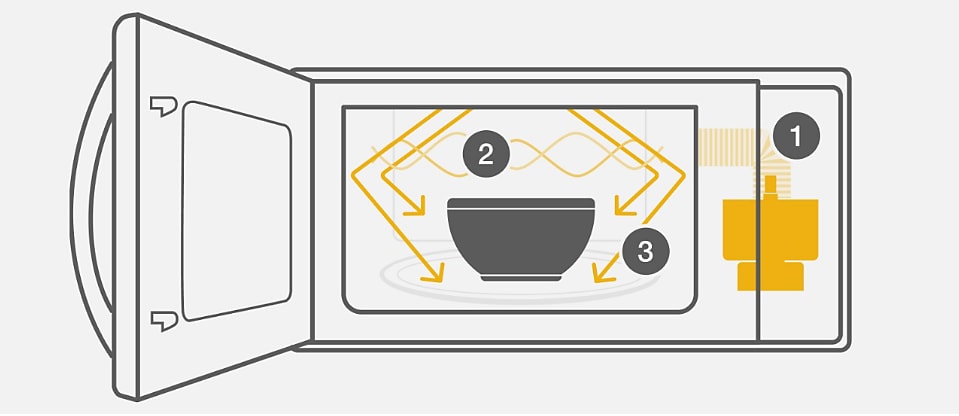
Microwaves are a type of electromagnetic wave. They have a frequency between radio waves and infrared light. These waves can make water molecules in food move fast. This movement creates heat, which warms the food.
Key Components
A microwave oven has several important parts. The magnetron produces microwaves. The waveguide directs the waves into the cooking area. The turntable moves food for even heating. The control panel lets you set time and power.
Credit: www.whirlpool.com
How Microwaves Heat Food
Microwave ovens heat food using a unique process. Unlike regular ovens, they do not use heat from outside. Instead, they use waves to warm food quickly and evenly. These waves target the water inside food. This makes cooking faster and more energy-efficient. Understanding how microwaves heat food can help you use your microwave better.
Role Of Water Molecules
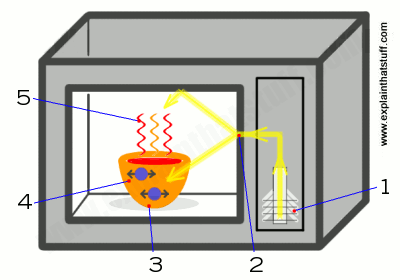
Water molecules inside food are key to microwave heating. These molecules are tiny and have a slight electric charge. When microwaves pass through food, they make water molecules move rapidly. This movement creates friction and heat. The heat then spreads to other parts of the food. Foods with more water heat faster in microwaves.
Microwave Radiation Interaction
Microwaves are a type of electromagnetic radiation. They have a frequency that excites water molecules. When microwaves hit food, they penetrate it a few centimeters deep. The radiation causes water molecules to rotate quickly. This rotation produces heat inside the food. Unlike regular heat, microwave radiation heats food from the inside out. This method cooks food quickly and efficiently.
Advantages Of Microwave Heating
Microwave heating offers many benefits that make cooking easier and faster. It changes how people prepare food by saving time and energy. The method uses waves that heat food from inside out. This leads to quick and even cooking without needing much oil or water.
Speed And Efficiency
Microwaves heat food very fast. The waves target water molecules inside the food. This causes the molecules to move quickly and produce heat. The heat cooks the food quickly compared to traditional ovens. You can warm leftovers or cook meals in just minutes. This saves a lot of time during busy days.
Heating is also efficient because microwaves focus energy directly on the food. There is no need to heat air or cookware first. This direct heating reduces cooking time and energy use.
Energy Conservation
Microwave ovens use less energy than many other cooking methods. Since they cook food faster, they use power for a shorter time. This lowers electricity bills and helps save the environment.
Unlike conventional ovens, microwaves don’t waste heat by warming the kitchen. The focused energy means less heat loss. This makes microwaves a greener choice for cooking small to medium meals.
Limitations And Considerations
Microwave ovens heat food quickly but have some limits. Understanding these helps use them better. Some foods do not heat evenly. Others lose texture or taste. Knowing the limits improves cooking results and safety.
Uneven Heating Issues
Microwaves heat food from the outside in. This can cause cold spots inside the food. These spots may hold bacteria if food is not cooked well. Thick or dense foods often heat unevenly. Stirring food during heating helps even out the temperature. Using a microwave-safe cover also helps trap steam and heat food better.
Types Of Food Affected
Foods with low water content heat poorly in microwaves. Bread and cakes can become dry or tough. Large pieces of meat may cook on the outside but stay raw inside. Eggs in shells can explode due to steam buildup. Foods with skin, like potatoes, need to be pierced to avoid bursting. Soups and liquids heat well but can boil over quickly.
Safety And Myths
Microwave ovens heat food quickly using electromagnetic waves. Many people worry about safety and wonder if microwaves cause harm. Myths about microwaves often create confusion. Understanding the facts helps clear doubts and promotes safe use.
Radiation Safety
Microwaves use non-ionizing radiation. This type of radiation does not damage DNA or cause cancer. The oven keeps microwaves inside with metal walls and a mesh screen. This design prevents radiation from escaping. It only heats the food, not the air or you.
Modern microwave ovens meet strict safety standards. They must pass tests before sale. Using a microwave with a broken door or seal is unsafe. Always check your microwave for damage. Follow the user manual for safe operation.
Common Misconceptions
Microwaves do not make food radioactive. They heat food by making water molecules move fast. This movement creates heat. Food cooked in a microwave is safe and nutritious.
Microwaves do not cook food from inside out. They heat food evenly, but thicker parts take longer. Covering food helps heat it more evenly. Plastic containers labeled microwave-safe are best to avoid harmful chemicals.
Microwaves do not destroy all nutrients. Some vitamins break down with heat, no matter the method. Steaming, boiling, or microwaving all cause nutrient loss. The microwave often preserves nutrients better due to shorter cooking times.

Credit: www.explainthatstuff.com
Future Of Microwave Technology
The future of microwave technology promises exciting changes. Microwaves will become smarter and more efficient. They will help save time and energy in kitchens. New features will improve cooking experiences for users. These advances will make microwaves more useful in daily life.
Innovations In Design
Microwave ovens will get new shapes and sizes. Compact models will fit smaller kitchens easily. Some designs will focus on better heat distribution. This means food cooks more evenly every time. Materials that block energy loss will be used. This helps microwaves use less power and stay cooler outside.
Integration With Smart Appliances
Microwaves will connect with other smart devices at home. They will sync with refrigerators, ovens, and phones. Users can control microwaves using voice or apps. Recipes will guide cooking settings automatically. Sensors will adjust power and time for perfect results. This connection makes cooking faster and less stressful.
Credit: www.explainthatstuff.com
Frequently Asked Questions
How Does A Microwave Oven Heat Food Quickly?
Microwave ovens use electromagnetic waves to excite water molecules in food. This causes friction, generating heat rapidly and evenly. This method heats food faster than traditional ovens because it penetrates food directly rather than heating air around it.
What Role Do Microwaves Play In Cooking Food?
Microwaves target water and fat molecules, making them vibrate quickly. This vibration produces heat, which cooks the food from inside out. This process is efficient, saving time and energy compared to conventional cooking methods.
Why Do Some Foods Heat Unevenly In Microwaves?
Uneven heating happens because microwaves distribute energy inconsistently. Thick or dense parts absorb less energy, causing cold spots. Stirring or rotating food during cooking helps distribute heat evenly, preventing hot or cold areas.
Are Microwave Ovens Safe For Cooking Food?
Yes, microwave ovens are safe when used correctly. They use non-ionizing radiation, which doesn’t alter food chemically. Proper containers and cooking times ensure food safety and prevent harmful chemical leaching.
Conclusion
Microwave ovens heat food by using microwaves to move water molecules fast. This movement creates heat that warms the food from inside out. It happens quickly and evenly, saving time in the kitchen. Knowing how microwaves work helps you use them safely and better.
They are handy for reheating and cooking many foods. Remember to use microwave-safe containers to avoid problems. Simple science makes cooking easier and faster every day.