
Are you tired of uneven, sticky, or burnt rice? Using a rice cooker can change the way you prepare this staple food forever.
With the right steps, you can enjoy perfectly cooked rice every time—fluffy, tender, and full of flavor. In this guide, you’ll learn exactly how to use your rice cooker like a pro, avoid common mistakes, and even discover some handy tips to make mealtime easier.
Keep reading, and you’ll never look at rice the same way again.
Choosing The Right Rice Cooker
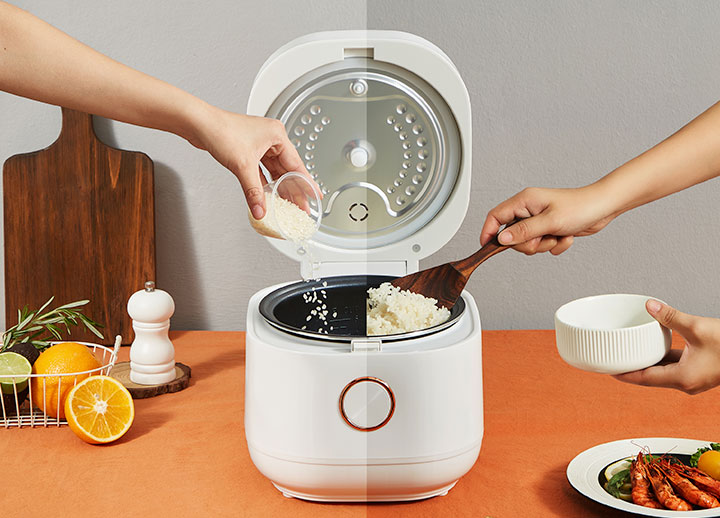
Choosing the right rice cooker can make cooking rice easier and faster. A good rice cooker fits your needs and kitchen space. It saves time and gives perfect rice every time. There are many options available, so knowing what to look for helps you decide.
Types Of Rice Cookers
There are three main types of rice cookers. The first is the basic model. It cooks rice with simple on/off settings. The second type is the fuzzy logic cooker. It adjusts cooking time for better results. The last type is the induction cooker. It uses magnetic technology for even heating.
Choose a type based on your budget and cooking habits.
Capacity And Size
Rice cookers come in different sizes. Small ones cook one to two cups of rice. Medium sizes cook three to five cups. Large cookers can handle six or more cups. Think about how much rice you eat daily. Also, consider your kitchen space. Pick a size that fits your needs and storage.
Key Features To Consider
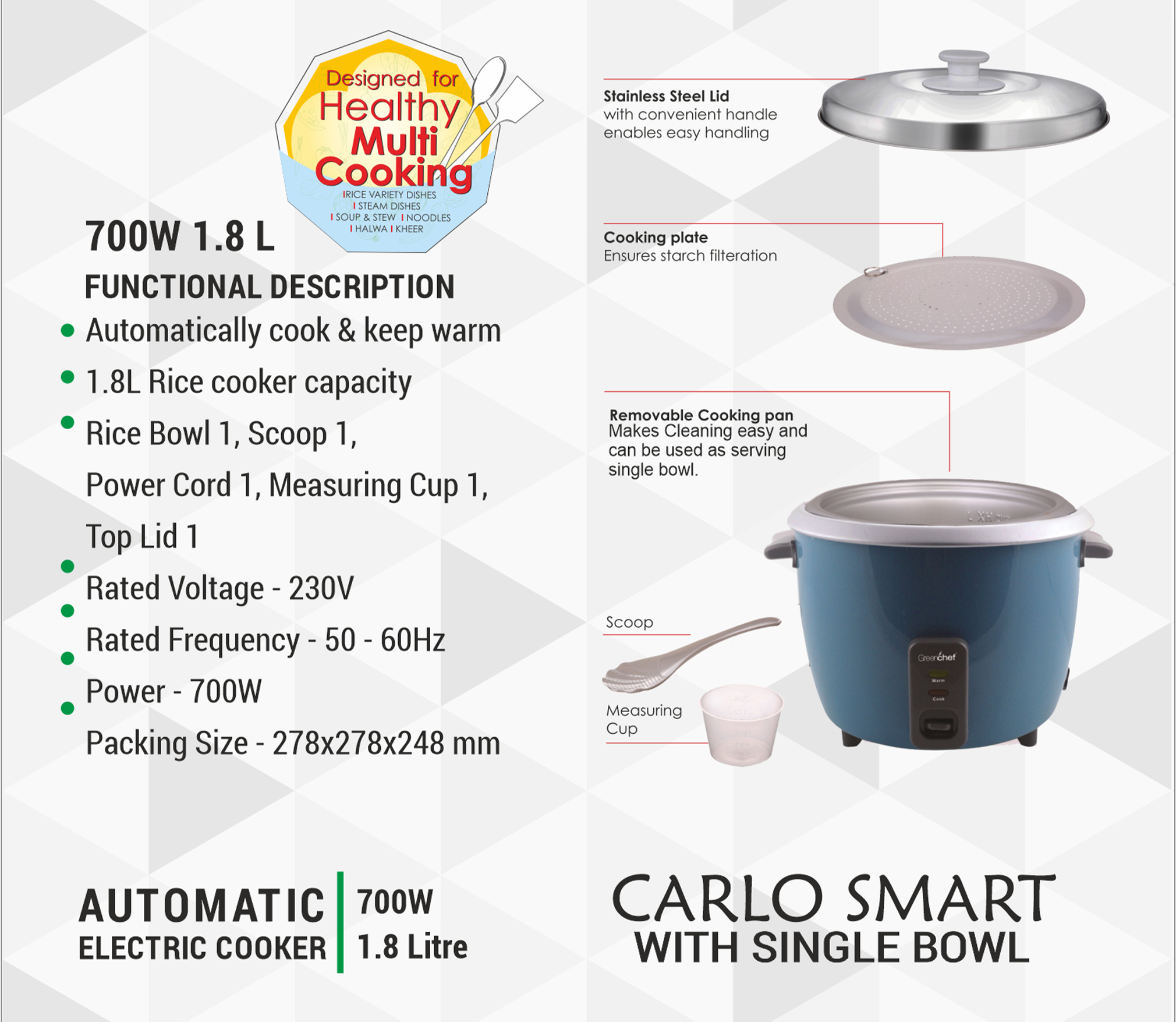
Look for features that make cooking simple and fast. A keep-warm function keeps rice hot after cooking. A timer lets you set cooking times in advance. Non-stick inner pots make cleaning easier. Some cookers have settings for different rice types. These features help improve your cooking experience.
Credit: www.gaabor-global.com
Preparing Rice For Cooking
Preparing rice for cooking is the first step to delicious meals. It sets the base for perfect texture and taste. Simple preparation can change how your rice turns out. Focus on three important parts: choosing rice, washing it well, and measuring rice and water correctly.
Selecting The Best Rice
Choose rice based on your recipe and taste. Long grain rice stays fluffy and separate. Short grain rice is stickier and softer. Brown rice keeps more nutrients but takes longer to cook. White rice cooks faster and has a mild flavor. Pick the right type to match your dish.
Washing And Rinsing Techniques
Rinse rice to remove dust and extra starch. Place rice in a bowl and add cold water. Stir gently with your hand. Pour out the cloudy water carefully. Repeat rinsing two to three times. This stops rice from being too sticky or clumpy.
Measuring Rice And Water
Use a measuring cup for rice and water. The common ratio is one cup of rice to two cups of water. Brown rice needs a bit more water, about two and a half cups. Adjust water based on the rice type and cooker instructions. Accurate measuring helps rice cook evenly and taste better.
Basic Cooking Steps
Using a rice cooker is simple and saves time. Follow these basic steps to cook perfect rice every time. These easy instructions help you avoid common mistakes. Let’s start with setting up the cooker.
Setting Up The Cooker
Place the rice cooker on a flat, dry surface. Make sure it is near an electrical outlet. Take out the inner pot and wash it with warm water. Measure the rice using the provided cup. Rinse the rice until the water runs clear. Add the rinsed rice to the inner pot. Pour water according to the rice type and amount. Insert the inner pot back into the cooker. Close the lid securely before starting.
Starting The Cooking Process
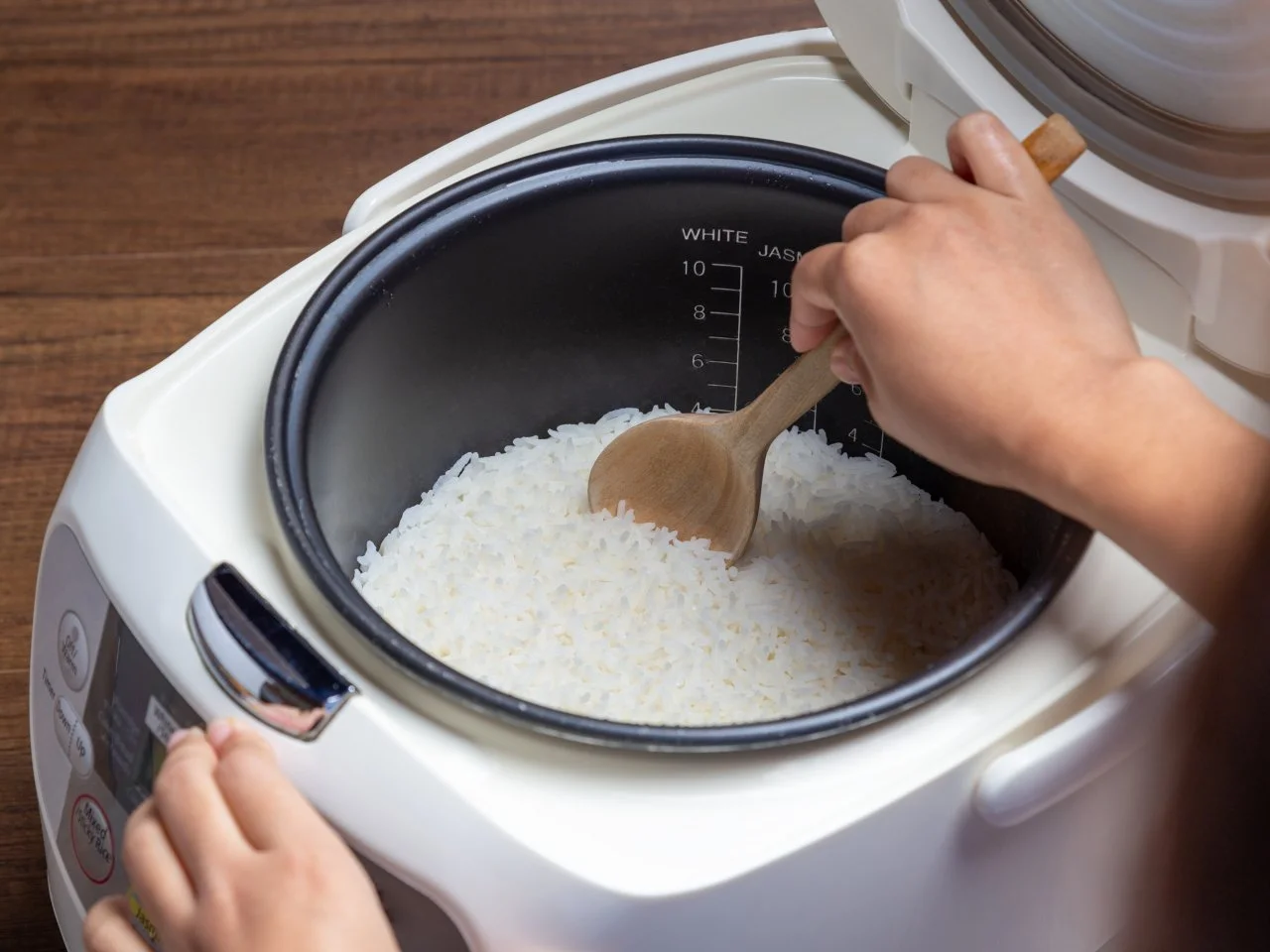
Plug in the rice cooker. Press the power button to turn it on. Select the basic cooking mode, usually labeled “Cook.” The cooker will heat and cook the rice automatically. Avoid opening the lid during cooking. Wait until the cooker switches to “Warm” mode. This means the rice is ready and kept warm.
Using The Timer And Presets
Some rice cookers have timers and presets for different rice types. Use the timer to delay cooking start for convenience. Choose presets for white rice, brown rice, or porridge. These settings adjust cooking time and temperature. Press the start button after selecting the preset. The cooker does the rest automatically. This helps you get perfect rice without guesswork.
Tips For Different Rice Varieties
Different types of rice need different cooking methods. Using a rice cooker makes cooking easier but knowing the right tips helps you get perfect rice every time. Each rice variety absorbs water differently and cooks at its own pace.
Understanding how to adjust water and cooking time is key. This guide covers simple tips for white, brown, and specialty rices. Follow these tips for soft, fluffy rice that suits your taste.
Cooking White Rice
White rice cooks fast and needs less water. Use one cup of rice to one and a half cups of water. Rinse the rice before cooking to remove extra starch. Let the rice rest after cooking for five to ten minutes. This step helps the rice become fluffy and separate.
Cooking Brown Rice
Brown rice takes longer to cook. Use one cup of rice to two cups of water. Soaking brown rice for 30 minutes before cooking helps soften it. The cooking time in the rice cooker will be longer than white rice. Let the rice rest after cooking to improve texture.
Cooking Specialty Rices
Specialty rices like jasmine, basmati, or wild rice need special care. Jasmine rice cooks like white rice but needs slightly less water. Basmati rice benefits from rinsing and soaking for 20 minutes to make grains fluffy. Wild rice often needs more water and longer cooking time. Check your rice cooker manual for best settings on specialty rices.
Maintaining Your Rice Cooker
Maintaining your rice cooker keeps it working well for a long time. A clean and well-kept cooker cooks rice evenly and tastes better. Simple care steps prevent damage and keep your appliance safe to use.
Cleaning After Use
Unplug the cooker before cleaning. Let it cool down completely. Remove the inner pot and wash it with warm, soapy water. Use a soft cloth or sponge to avoid scratches. Wipe the cooker’s inside and outside with a damp cloth. Avoid using harsh chemicals or abrasive materials. Dry all parts before reassembling to stop mold and rust.
Preventing Common Issues
Do not fill the cooker above the maximum line. Check the heating plate for food spills often. Clean spills immediately to stop burning or smoking. Avoid using metal utensils that can scratch the inner pot. Use only the rice and water amounts suggested in the manual. Keep the steam vent clear to prevent pressure build-up.
Storing The Cooker Safely
Store the cooker in a dry, cool place. Keep the lid slightly open to avoid moisture buildup inside. Wrap the power cord loosely to avoid damage. Store all parts together to prevent loss. Check the cooker before use if stored for a long time. Proper storage helps your cooker last longer and work better.
Credit: www.sietesetenta.com.ar
Enhancing Rice Flavor
Rice cookers make cooking rice simple and consistent. You can improve the rice flavor without extra work. Small changes bring big taste differences. Experiment with spices, liquids, and mix-ins. Your plain rice becomes a tasty side or main dish.
Adding Spices And Herbs
Add spices like cinnamon, cardamom, or bay leaves to the rice cooker. Fresh herbs such as cilantro, parsley, or thyme also work well. These ingredients release aroma and flavor during cooking. Use small amounts to avoid overpowering the rice. This method makes the rice more interesting and inviting.
Using Broth Instead Of Water
Replace water with chicken, beef, or vegetable broth. Broth gives the rice a richer and deeper flavor. It adds natural saltiness and a savory taste. Choose low-sodium broth to control salt levels. This trick makes the rice taste fuller and more satisfying.
Incorporating Vegetables And Proteins
Add chopped vegetables like carrots, peas, or bell peppers to the rice cooker. Small pieces cook evenly with the rice. You can also add beans, tofu, or cooked chicken. This method creates a one-pot meal with texture and nutrition. It saves time and reduces extra dishes.
Troubleshooting Common Problems
Troubles with rice cookers can disrupt meal plans. Simple fixes often solve these issues. Understanding common problems helps you get better results every time. This section covers frequent troubles and easy solutions.
Rice Too Sticky Or Mushy
Sticky rice often means too much water was used. Try using less water next time. Rinsing rice before cooking removes extra starch. This step helps prevent mushy texture. Also, let the rice rest after cooking. Resting allows moisture to even out.
Rice Undercooked Or Hard
Hard rice usually means not enough water or cooking time. Add a little more water and cook longer. Check if the rice cooker finishes the full cycle. Sometimes, the cooker may stop early. Make sure the lid is closed properly during cooking.
Rice Cooker Not Heating Properly
If the cooker does not heat, check the power connection. Ensure the plug is secure and the outlet works. Clean the heating plate and the bottom of the pot. Dirt or food residue can block heat transfer. If still no heat, the cooker might need repair or replacement.
Credit: www.foodnetwork.com
Frequently Asked Questions
How Do I Use A Rice Cooker For Perfect Rice?
Add rinsed rice and water in the cooker’s pot. Close the lid, select the cooking mode, and start. Wait until it switches to “keep warm. ” Let it sit for 10 minutes before serving for fluffier rice.
Can I Cook Different Rice Types In A Rice Cooker?
Yes, rice cookers work for white, brown, jasmine, and basmati rice. Adjust water amounts based on rice type. Use the specific setting if your cooker has one, for best results and texture.
How Much Water Should I Add To Rice?
Water quantity depends on rice type and desired texture. Generally, use 1. 5 to 2 cups water per cup of white rice. For brown rice, add slightly more water. Always check your cooker’s manual for exact ratios.
Is It Safe To Leave A Rice Cooker On Overnight?
It is generally safe if your rice cooker has an automatic “keep warm” function. However, avoid leaving it unattended for too long to prevent overcooking or drying out the rice.
Conclusion
Rice cookers make cooking rice simple and fast. Just add rice and water, then press start. They help avoid burning or sticking rice. You can cook many types of rice easily. Clean your cooker after each use to keep it working well.
Using a rice cooker saves time and effort in the kitchen. Enjoy perfect rice every time with these easy steps. Try it yourself and see how handy it can be.