
Your gas cooker is the heart of your kitchen, but cleaning it can feel like a tough chore. If you don’t wash it properly, grease and food spills can build up, making your cooker less efficient and even unsafe.
But don’t worry—this guide will show you simple, effective steps to clean your gas cooker quickly and safely. By the end, you’ll know exactly how to keep your cooker shining and working like new. Ready to make your cooking space spotless?
Let’s dive in!

Credit: www.youtube.com
Gather Cleaning Supplies
Gathering the right cleaning supplies is the first step to wash your gas cooker well. Having everything ready saves time and effort. It helps you clean each part safely and effectively. Below are the tools and agents you need for the task.
Essential Tools
Start with basic tools like a soft sponge and a dishcloth. Use a small brush to scrub tight spots. A scraper helps remove stuck-on food. Gloves protect your hands from harsh cleaners. A bucket or bowl holds warm water for rinsing. Keep a towel nearby to dry parts after cleaning.
Recommended Cleaning Agents
Use mild dish soap to cut grease without damage. Baking soda works well on tough stains. White vinegar helps remove mineral deposits and shine surfaces. Avoid harsh chemicals that can harm the cooker’s finish. Choose natural or gentle cleaners for safe, effective results.
Prepare The Cooker
Preparing your gas cooker properly makes cleaning easier and safer. It helps avoid accidents and damage. Follow clear steps before starting the wash.
Taking time to prepare the cooker ensures a thorough and smooth cleaning process.
Turn Off And Cool Down
Always turn off the gas supply before cleaning. Wait until the cooker cools completely. Hot surfaces can cause burns. Cooling down also prevents damage to parts during cleaning.
Remove Burner Parts
Carefully take out all removable burner parts. This includes grates, caps, and burners. Removing these parts allows deeper cleaning. Soak them in warm, soapy water for better results. Handle parts gently to avoid breaking them.
Clean Burner Grates And Caps
Cleaning the burner grates and caps is important for your gas cooker’s performance. Dirt and grease build up on these parts. This can block the flame or cause uneven cooking. Regular cleaning keeps burners working well and safe. It also helps your cooker look good. The process is simple with the right steps.
Soaking Techniques
Start by removing the burner grates and caps from the cooker. Place them in a sink filled with warm water. Add a few drops of dish soap to help break down grease. Let the parts soak for 20 to 30 minutes. This loosens stuck-on food and oil. For tough stains, use a mixture of baking soda and water. Apply this paste before soaking. This makes scrubbing easier later.
Scrubbing Tips
Use a soft brush or sponge to scrub the grates and caps after soaking. Avoid metal scrubbers as they can scratch the surface. Focus on small holes and edges where dirt hides. For hard spots, dip the brush in vinegar to help cut grease. Rinse the parts well with clean water. Dry them completely before putting back on the cooker. This prevents rust and keeps burners dry.
Credit: www.abt.com
Wipe The Cooktop Surface
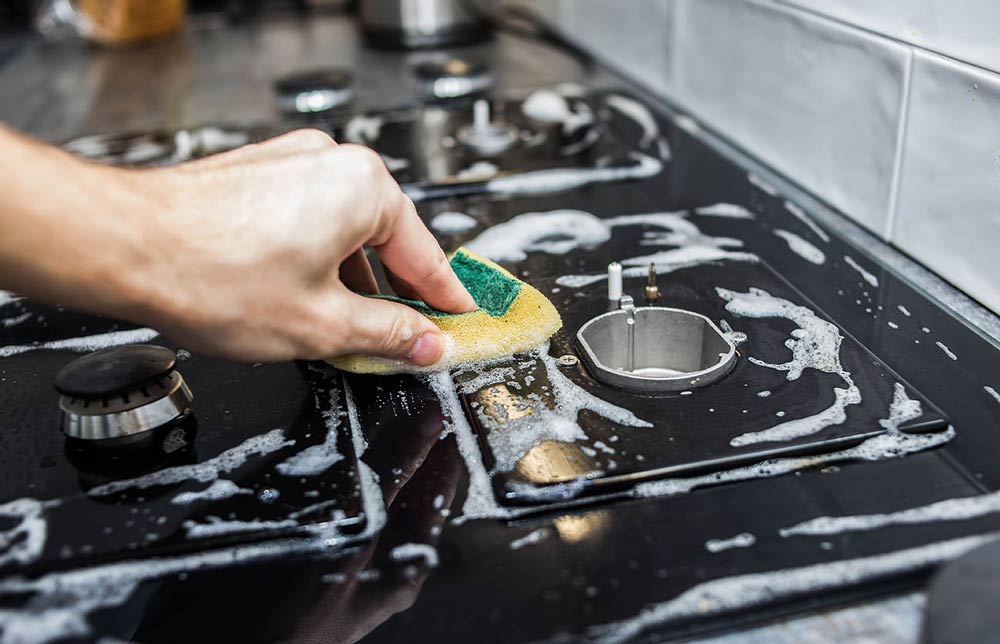
Wiping the cooktop surface is a key step in cleaning gas cookers. It removes grease, spills, and food crumbs. This keeps your kitchen safe and your cooker looking fresh. Regular wiping stops dirt from building up. It also helps the burners work well. A clean cooktop makes cooking more enjoyable.
Choosing The Right Cleaner
Pick a cleaner that suits your cooktop’s material. Use mild detergents for glass or ceramic surfaces. Avoid harsh chemicals that can scratch or damage. For stainless steel, use a cleaner that shines without leaving streaks. Always read the label before buying. Test the cleaner on a small, hidden spot first. This prevents damage and ensures safety.
Removing Stubborn Stains
Stubborn stains need gentle scrubbing. Use a soft cloth or sponge, never steel wool. Apply a bit of baking soda mixed with water. Let it sit for a few minutes to loosen the stain. Then wipe gently in circular motions. Repeat if necessary, but avoid scrubbing hard. Rinse the surface with clean water to remove residue. Dry with a soft towel for a shiny finish.
Clean Burner Heads
Cleaning burner heads is a key step in washing gas cookers. Dirt and food particles block the holes, causing uneven flames. Clean burners make cooking safer and more efficient. You need to remove all clogs carefully to keep burners working well.
Clearing Clogged Holes
Start by removing the burner heads from the cooker. Use a soft brush or a toothpick to clear the tiny holes. Push gently to avoid damage. If the holes are very clogged, soak the burner heads in warm, soapy water for 15 minutes. Then scrub again with a brush. Rinse them well under running water to remove all soap and dirt.
Drying Methods
Dry burner heads completely before putting them back. Use a clean towel to pat them dry. Leave them in open air to remove moisture inside the holes. Avoid using a cloth that leaves fibers behind. Dry burners prevent rust and help flames burn evenly. Make sure no water stays trapped inside the holes.

Credit: www.dependableservices.com
Reassemble The Cooker
After cleaning all the parts of your gas cooker, the next step is to put everything back together. Reassembling the cooker correctly is important for safety and proper function. Take your time and follow each step carefully.
Proper Placement
Start by placing the burner heads in their original spots. Make sure each burner fits snugly on the base. Check that the gas ports line up correctly. Next, put the burner caps on top. They should sit flat and not wobble. Place the grates back over the burners. Ensure they are stable and balanced.
Final Inspection
Look over the cooker to confirm all parts are in place. Test the knobs to see if they turn smoothly. Check for any loose pieces or gaps. Make sure the cooker is clean and dry before use. Turn on the gas briefly to check the flame. The flame should be steady and blue. If not, adjust the parts or repeat cleaning.
Regular Maintenance Tips
Regular maintenance of gas cookers keeps them safe and working well. Cleaning often stops grease and food bits from building up. This also helps the cooker last longer. Simple daily care and planned deep cleaning work best.
Daily Cleaning Habits
Wipe the surface after cooking. Use a damp cloth with mild soap. Clean spills quickly to avoid stains. Remove burner grates and wash them with warm water. Dry all parts before putting them back. Check knobs and buttons for dirt. Clean gently with a soft cloth. These small steps keep the cooker tidy and ready.
Deep Cleaning Schedule
Set a day each month for deep cleaning. Remove burner caps and soak them in warm, soapy water. Use a brush to clear burner holes. Clean the drip trays with a sponge and detergent. Check the gas outlet and wipe carefully. Avoid using harsh chemicals or steel wool. Dry all parts completely before reassembling. Deep cleaning keeps the cooker safe and efficient.
Frequently Asked Questions
How Often Should I Clean My Gas Cooker?
Clean your gas cooker weekly to prevent grease buildup. Regular cleaning ensures better performance and safety. Wipe spills immediately to avoid stains. Deep clean monthly for thorough maintenance.
What Materials Are Safe For Cleaning Gas Cookers?
Use mild dish soap, warm water, and a soft cloth. Avoid abrasive cleaners or steel wool to prevent scratches. Baking soda and vinegar work well for tough stains. Always check your cooker’s manual.
Can I Remove Burner Parts For Cleaning?
Yes, most burner parts are removable. Soak them in warm, soapy water for 15 minutes. Use a soft brush to clean debris. Ensure parts dry completely before reassembling to prevent rust.
How Do I Clean Gas Cooker Grates Effectively?
Soak grates in hot, soapy water for 20 minutes. Scrub gently with a non-abrasive brush or sponge. For stubborn stains, use baking soda paste. Rinse and dry thoroughly before placing back.
Conclusion
Cleaning your gas cooker keeps it safe and working well. Regular washing stops grease and dirt buildup. Use gentle cleaners and avoid harsh scrubbing. Take care of burners and knobs carefully. A clean cooker looks nice and lasts longer. Try to clean spills soon after cooking.
Small efforts make a big difference over time. Keep your kitchen fresh and your cooker ready. Simple steps make cleaning easy and quick. Your gas cooker deserves regular care and attention.