
Brew coarse coffee, steep four minutes, then press slowly for a clean, rich cup.
I’ve spent years making coffee with a plunger coffee maker and teaching friends how to get the best cup. This guide on how to use a plunger coffee maker explains clear steps, practical tips, common mistakes, and the exact grind, ratio, and timing I use. Read on to master the method and make great coffee at home with confidence.
Why choose a plunger coffee maker?
A plunger coffee maker gives full-bodied flavor and simple control over brew time. It extracts oils and aroma that paper filters remove, so your coffee feels richer. If you want hands-on brewing and a repeatable method, learning how to use a plunger coffee maker is worth the effort.
What you'll need
- A plunger coffee maker (French press) in good condition.
- Fresh whole-bean coffee and a burr grinder.
- A kettle and an accurate scale or measuring spoon.
- A timer and a spoon for stirring.
Using the right gear makes how to use a plunger coffee maker easy and reliable.
Source: co.uk
Step-by-step: how to use a plunger coffee maker
Follow these numbered steps for a consistent cup. I note common pitfalls in each step.
Prepare equipment and boil water
- Heat water to about 200°F (just off boil).
- Warm the plunger carafe with hot water, then discard the rinse water.
- Warming keeps the brew temperature steady when you pour.
- Use a coarse, even grind like coarse sea salt.
- I recommend a burr grinder for uniform size.
- An uneven grind ruins how to use a plunger coffee maker because it causes over-extraction or weak brew.
Measure coffee and water
- Use a ratio of about 1:15 to 1:17 (1 gram coffee to 15–17 grams water).
- For an 8-ounce cup, that’s roughly 14–16 grams of coffee.
- Weighing makes how to use a plunger coffee maker repeatable.
Add coffee and start the timer
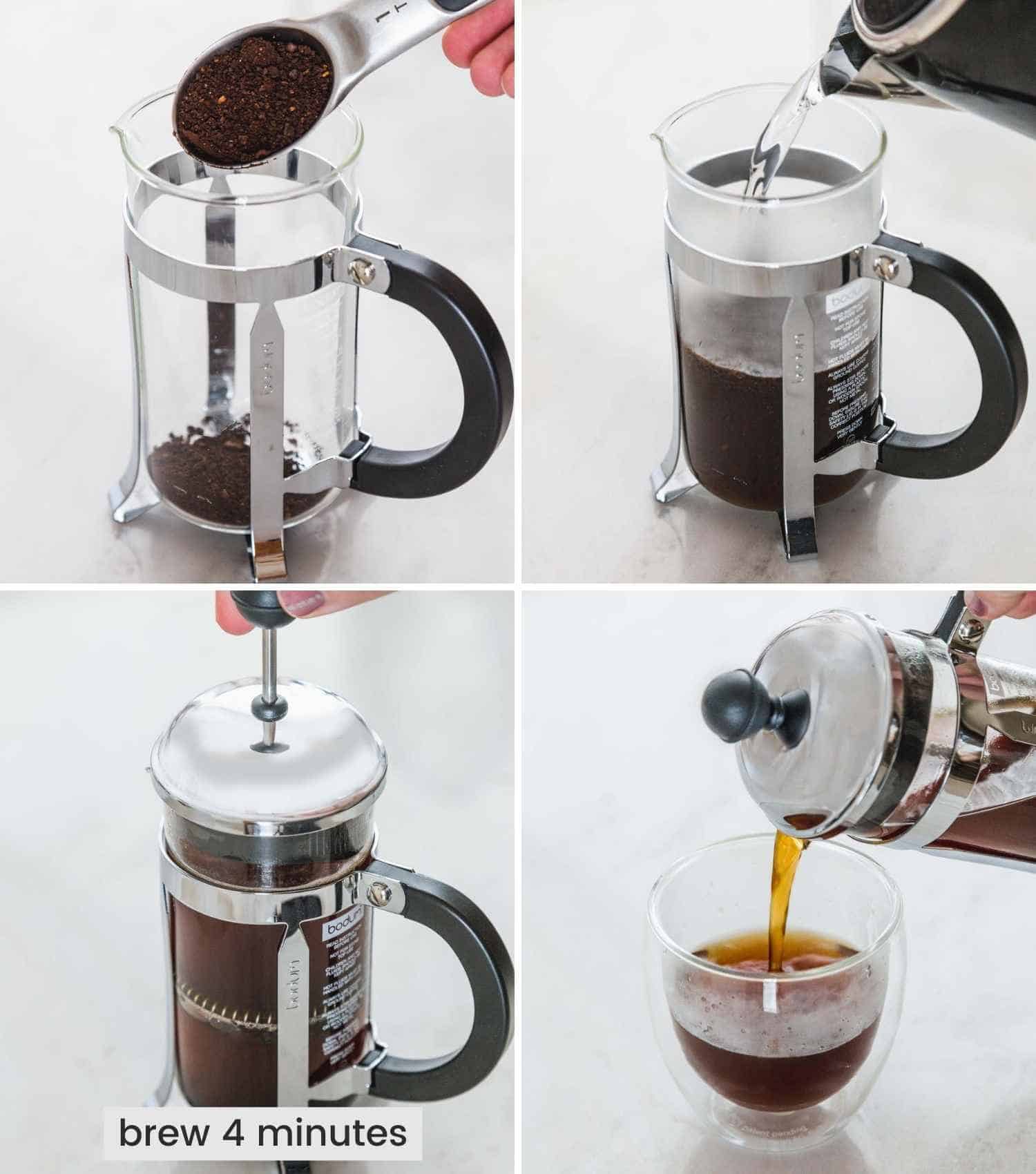
- Add coffee to the warmed carafe.
- Pour a small amount of water to saturate grounds for 30 seconds (bloom).
- Then pour the remaining water up to the desired level.
Stir gently and steep
- Give one or two gentle stirs to ensure even saturation.
- Place the plunger lid on without plunging to keep heat in.
- Steep for about 4 minutes for a balanced cup; adjust by 30 seconds if needed.
Plunge slowly and serve
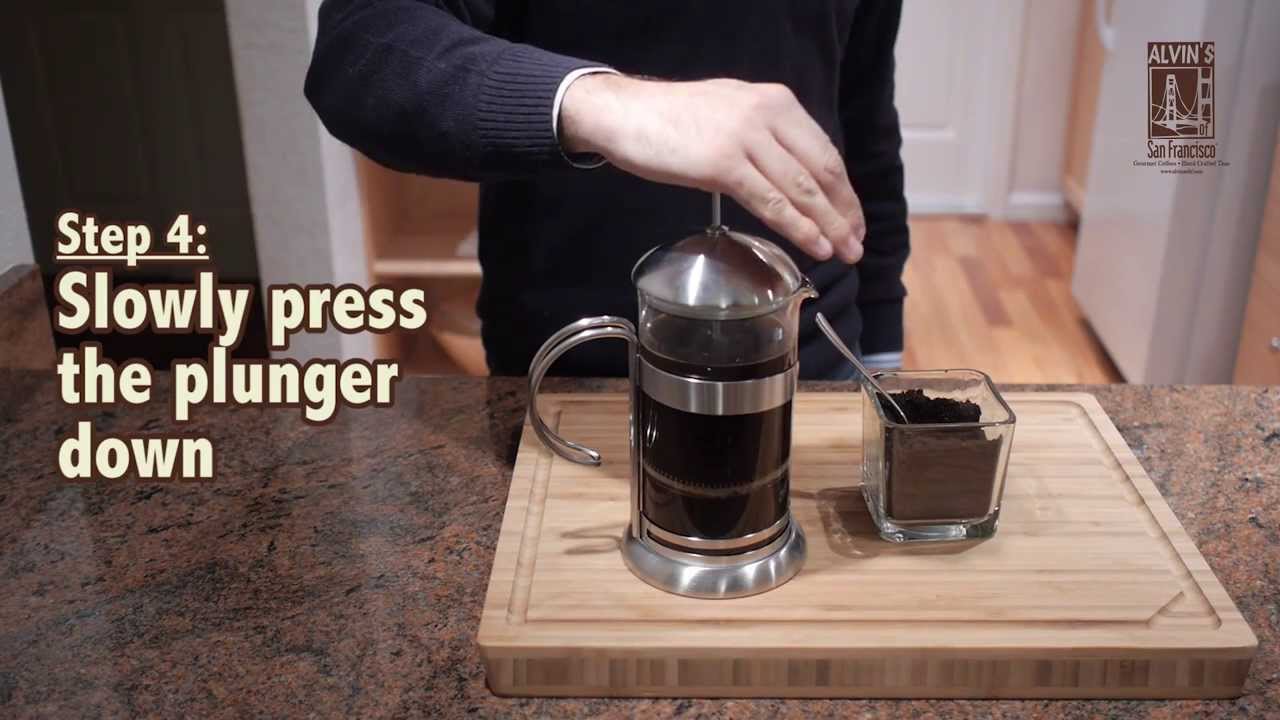
- Press the plunger down with steady, gentle pressure.
- Stop when you feel resistance and do not force it.
- Pour immediately to avoid over-extraction—this is key to mastering how to use a plunger coffee maker.
Clean up
- Rinse grounds into compost, then wash the carafe and filter screens.
- Regular cleaning keeps flavors fresh and helps how to use a plunger coffee maker produce consistent results.
Tips inside the steps make the method practical and easy to repeat.

Grind size and why it matters
Coarse and even grind prevents grit and bitterness. Fine grind clogs the mesh and makes the brew muddy. Choosing the right grind is one of the most important parts of how to use a plunger coffee maker.
Coffee-to-water ratio guidance
Start at 1:15 and adjust to taste. Use 1:17 for a lighter cup and 1:13 for stronger coffee. Tracking ratios helps you repeat good results and learn how to use a plunger coffee maker to match your taste.
Water temperature and bloom
Water just off boil (about 200°F) extracts flavor well. Blooming for 30 seconds releases trapped gases and improves extraction. These small steps refine how to use a plunger coffee maker and boost aroma.
Plunging technique
Press slowly for 15–30 seconds. A fast plunge forces fines through the mesh and causes sediment. Gentle pressure leads to a cleaner cup and is central to how to use a plunger coffee maker correctly.
Tips, common mistakes, and troubleshooting
Avoid these traps when you learn how to use a plunger coffee maker. Using too-fine grind is a top error and makes the brew cloudy and bitter. Not preheating the carafe cools the brew and weakens flavor.
If your coffee tastes sour, increase steep time or slightly raise water temperature. If it tastes bitter, grind coarser or shorten brew time. Regularly check seals and mesh screens; wear and tear can change results and complicate how to use a plunger coffee maker.
Want less sediment? Decant the brewed coffee into a serving carafe immediately. This keeps the brewed coffee off the grounds and shows best practices for how to use a plunger coffee maker well.
Personal experience and lessons learned
I once brewed with overly fine coffee and blamed the beans. After switching to a coarse grind, the bitterness disappeared. Over time I learned that consistency in grind, ratio, and timing is the fastest path to good results and to mastering how to use a plunger coffee maker.
One practical tip: use fresh beans and a clean press. Small changes made the biggest difference in my daily brew routine and in teaching others how to use a plunger coffee maker.

Frequently Asked Questions of how to use a plunger coffee maker
How coarse should the grind be?
Use a coarse grind similar to sea salt or breadcrumbs. This prevents fines from passing the mesh and reduces bitterness.
How long should I steep the coffee?
Steep for about 4 minutes for a balanced cup. Adjust by 30 seconds up or down to suit stronger or lighter tastes.
Can I use pre-ground coffee?
Yes, but pre-ground coffee often sits longer and loses freshness. Grinding fresh just before brewing gives better flavor when you use a plunger.
Do I need to boil the water?
Bring water to a boil and let it sit 30 seconds to reach about 200°F. Water that is too hot can over-extract and taste bitter.
Why is my coffee gritty or muddy?
A too-fine grind or a damaged mesh causes grit. Use coarser grind and check the screen for holes to fix this issue.
Can I brew larger batches with a plunger coffee maker?
Yes, scale the coffee and water while keeping the same ratio and steep time. Stir gently and ensure even saturation for consistent results.
How often should I replace the filter screen?
Replace the mesh or seals when you see wear or persistent sediment. Regular inspection keeps brewing consistent and reliable.
Conclusion
You can make a rich, clean cup by learning how to use a plunger coffee maker with a few simple habits: coarse grind, correct ratio, near-boiling water, a 4-minute steep, and a slow, steady plunge. Practice these steps and tweak them to fit your taste. Try one change at a time, note the result, and enjoy the process—then share your favorite tweak or question below.