
Use a manual can opener safely by steady clamping, careful turning, and handling the lid cautiously.
I have used and taught safe kitchen habits for years, testing many manual can openers and common mistakes. This guide explains how to use a manual can opener safely with clear steps, safety tips, and practical advice you can follow right now.
Why safe can opening matters
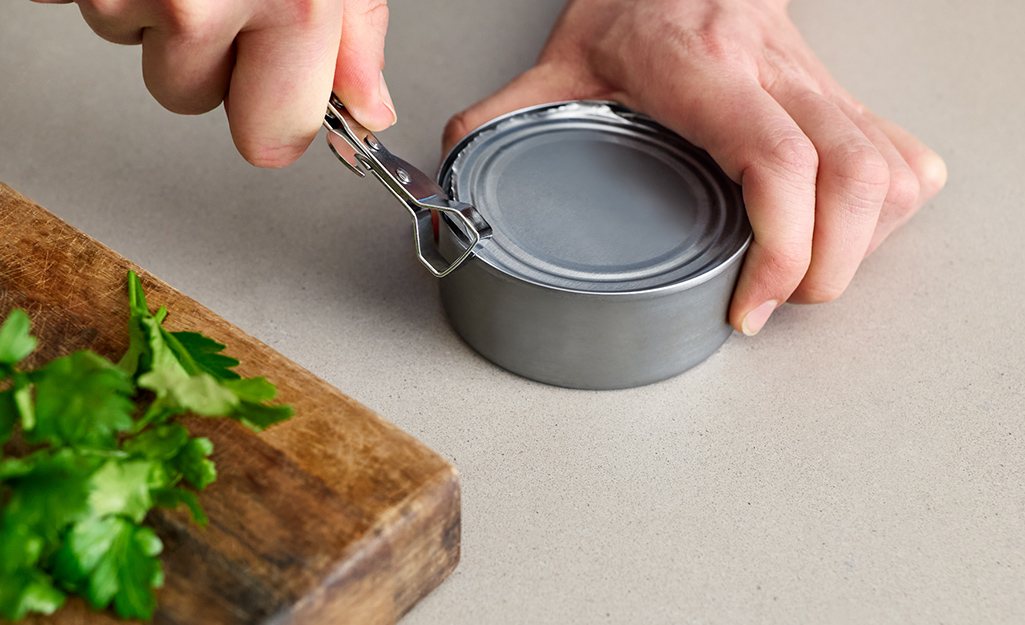
Using a manual can opener safely prevents cuts, contamination, and messy spills. A bad technique can leave sharp jagged edges that cut your fingers. It can also let metal shards fall into food or cause foodborne illness if the can is dented or bulging.
I once cut my thumb by grabbing a lid carelessly. That mistake taught me to always use a towel or magnet to lift lids. Small steps reduce risk and keep meal prep calm and fast.

Types of manual can openers and how they affect safety
There are a few common manual can openers you will meet in kitchens:
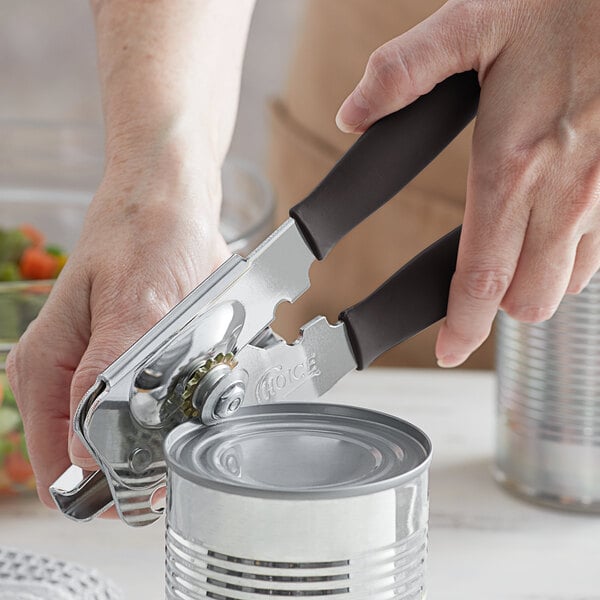
- Wheel-style opener with a rotating cutting wheel. It is common and steady when used correctly.
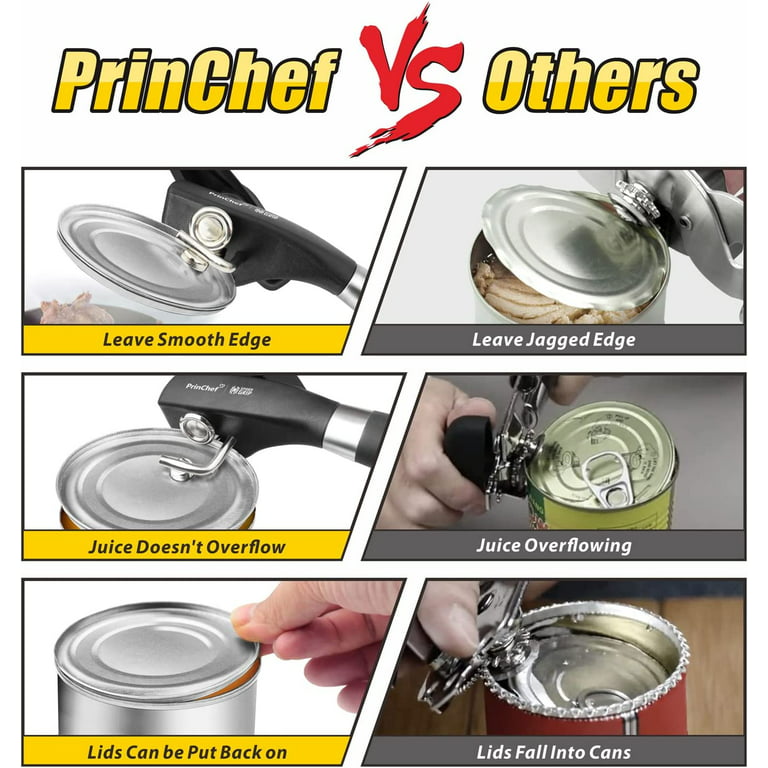
- Side-cut or smooth-edge opener that leaves a safer rim. It reduces sharp edges on the lid and can.
- Handheld church key type for small cans or bottle caps. It is simple but gives less control.
- Pocket or multi-tool openers found in camping gear. They work but require care with sharp points.
Choosing the right opener helps you use a manual can opener safely. If you need low-effort cutting, pick a smooth-edge model that reduces sharp edges.

Step-by-step: How to use a manual can opener safely
Follow these clear steps each time you open a can:
- Inspect the can. Look for dents, bulges, or rust; do not open if the can seems compromised.
- Wash the can top. Wipe or rinse to remove dust and germs before opening.
- Place the opener correctly. Clamp the cutting wheel on the rim with the serrated wheel aligned.
- Hold the can steady on a flat surface. Use your non-dominant hand to steady the can and keep fingers away from the blade.
- Turn the handle slowly. Use steady, even turns so the wheel pierces and cuts smoothly.
- Complete the rotation. Keep turning until you have cut the full lid circumference.
- Remove the lid safely. Use a towel, spoon, or magnet to lift the lid to avoid touching the sharp edge.
- Dispose or store the lid and can rim properly. Fold the lid into itself or wrap sharp edges for trash.
Practice these steps to master how to use a manual can opener safely. Slow and calm motions prevent most injuries.
Safety tips and precautions for everyday use
Simple habits make a big difference:
- Keep fingers and palms away from the cutting edge at all times.
- Use a flat, stable surface to prevent slips.
- Turn the handle slowly to avoid jerky moves that can tear metal.
- Use gloves or a thick towel if your hands are slippery or weak.
- Avoid opening badly dented or swollen cans; it may be unsafe to use them.
- Point the can away from your face to prevent splashes when pressure releases.
- Clean the opener after each use to prevent cross-contamination.
- Can I open a can without touching the lid? Yes. Use a magnet, fork, or spoon to lift the lid rather than your fingers.
- Is it safe to eat food left in the can after opening? Store food in a bowl or sealed container; metal can react with some foods if left uncovered.
- Should I wash a can before opening? Yes, washing the top reduces germs that may fall into your food when opened.

Cleaning and maintenance to stay safe
A clean opener works better and is safer to use:
- Wash the cutting wheel and handle with hot, soapy water after use. Rinse well and dry thoroughly.
- Wipe into crevices with a small brush to remove trapped food particles.
- Lubricate the hinge lightly with food-grade oil if the opener feels stiff. Wipe off excess oil before use.
- Replace or sharpen dull openers; a dull blade slips and increases risk.
- Avoid leaving metal openers to air-dry in damp places to prevent rust.
Proper maintenance extends life and ensures you know how to use a manual can opener safely every time.

Common mistakes and how to avoid them
Watch for these frequent errors:
- Rushing the turn. Slow steady turns cut cleanly and safely.
- Grabbing the lid with fingers. Use a towel or magnet to lift lids.
- Using a weak or rusty opener. Replace damaged tools promptly.
- Opening on an uneven surface. Always use a flat counter or cutting board.
- Not cleaning the opener. Old debris can contaminate food or jam the tool.
I learned these the hard way during a busy cook shift. After one slip, I started using a small magnet habitually. That small fix kept my hands safe and my service fast.

When to replace your manual can opener or get help
Replace or upgrade when needed:
- Replace if the cutting wheel is dull or bent. Dull blades increase force and risk.
- Replace if the gears slip or the handle wobbles. Stable mechanics equal safe cuts.
- Consider an electric or adaptive opener if you have arthritis or weak grip. They reduce strain and improve safety.
- Seek help from someone else if a can is swollen or leaking; it may be unsafe to open at home.
Choosing the right time to replace your tool is part of how to use a manual can opener safely.
Frequently Asked Questions of how to use a manual can opener safely
How do I avoid cutting myself on the lid?
Always use a towel, spoon, or magnet to lift the lid. Never grab the lid with bare fingers because the edges are sharp.
Can I use a manual can opener on any can?
Most manual can openers work on standard cans, but some specialty lids or large industrial cans need special tools. If the opener slips, switch to a more suitable model.
Is it better to cut the inner or outer rim?
A smooth-edge or side-cut opener that severs just below the rim leaves safer edges. Wheel-style openers cut the top and may leave sharper edges to handle carefully.
How do I clean a can opener safely?
Wash with hot, soapy water, scrub crevices, rinse, and dry completely. Lubricate hinge lightly with food-grade oil if needed.
What should I do if a can looks swollen or dented?
Do not open a swollen or heavily dented can; it could indicate contamination or spoilage. Dispose of it or check with the seller or local food safety guidance.
Conclusion
Mastering how to use a manual can opener safely saves time, prevents injury, and keeps food clean. Follow steady steps, pick the right opener, clean and maintain it, and replace the tool when it fails. Try these tips the next time you open a can and share what worked for you—subscribe or leave a comment if you found this guide useful.