
Are you ready to enjoy fresh, healthy juice anytime you want? Using a blender to make juice from fruits and vegetables is easier than you think.
You don’t need fancy equipment or complicated steps. With just a few simple tips, you can turn your favorite produce into delicious, nutrient-packed juice right at home. Keep reading, and you’ll discover how to make the most of your blender to create refreshing drinks that boost your energy and taste amazing.
Your body—and your taste buds—will thank you!
Choosing The Right Blender
Choosing the right blender is important for making fresh juice from fruits and vegetables. The right blender makes the process easy and gives you smooth, tasty juice. Not all blenders work the same for juicing. Knowing the types and features helps you pick the best one. Cleaning and maintenance also matter to keep your blender working well for a long time.
Types Of Blenders
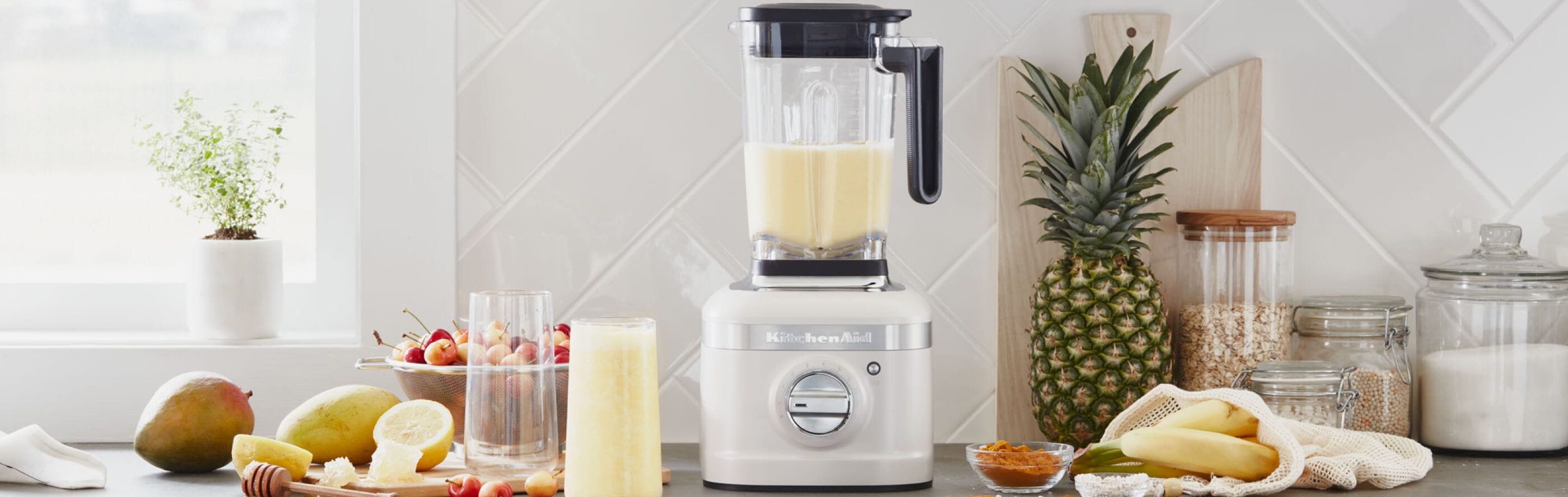
There are several types of blenders. Countertop blenders are strong and good for large batches. Personal blenders are smaller and easy to use for single servings. Immersion blenders are handheld and work well for soft fruits and small amounts. Choose a blender type that fits your juice needs and kitchen space.
Key Features To Look For
Power is important for crushing hard fruits and vegetables. A motor with at least 500 watts works well. Look for sharp, strong blades made of stainless steel. A large jar helps you blend more juice at once. Variable speed controls give you more blending options. A secure lid prevents spills during blending.
Cleaning And Maintenance
Easy cleaning saves time and keeps your blender fresh. Removable blades and dishwasher-safe parts make cleaning simple. Wipe the base with a damp cloth, never soak it in water. Clean your blender right after use to stop food from drying inside. Regular maintenance helps your blender last longer.
Credit: www.kitchenaid.ca
Selecting Fresh Fruits And Vegetables
Choosing fresh fruits and vegetables makes a big difference in juice taste and nutrition. Fresh produce has more vitamins and better flavor. Picking the right ingredients helps create a healthy and delicious juice every time.
Freshness means the fruits and vegetables look bright and firm. Avoid items with bruises or soft spots. Fresh produce juices better and blends smoothly.
Best Produce For Juicing
Pick fruits like apples, oranges, pineapples, and berries. These add sweetness and natural juice. Vegetables such as carrots, cucumbers, spinach, and kale bring nutrients and a fresh taste. Choose ripe and firm produce for the best juice.
Washing And Preparing Ingredients
Wash all fruits and vegetables under cold running water. Use a vegetable brush for firm items like carrots and cucumbers. Peel thick skins like oranges and pineapples to avoid bitterness. Cut produce into small pieces to help your blender work better.
Combining Flavors
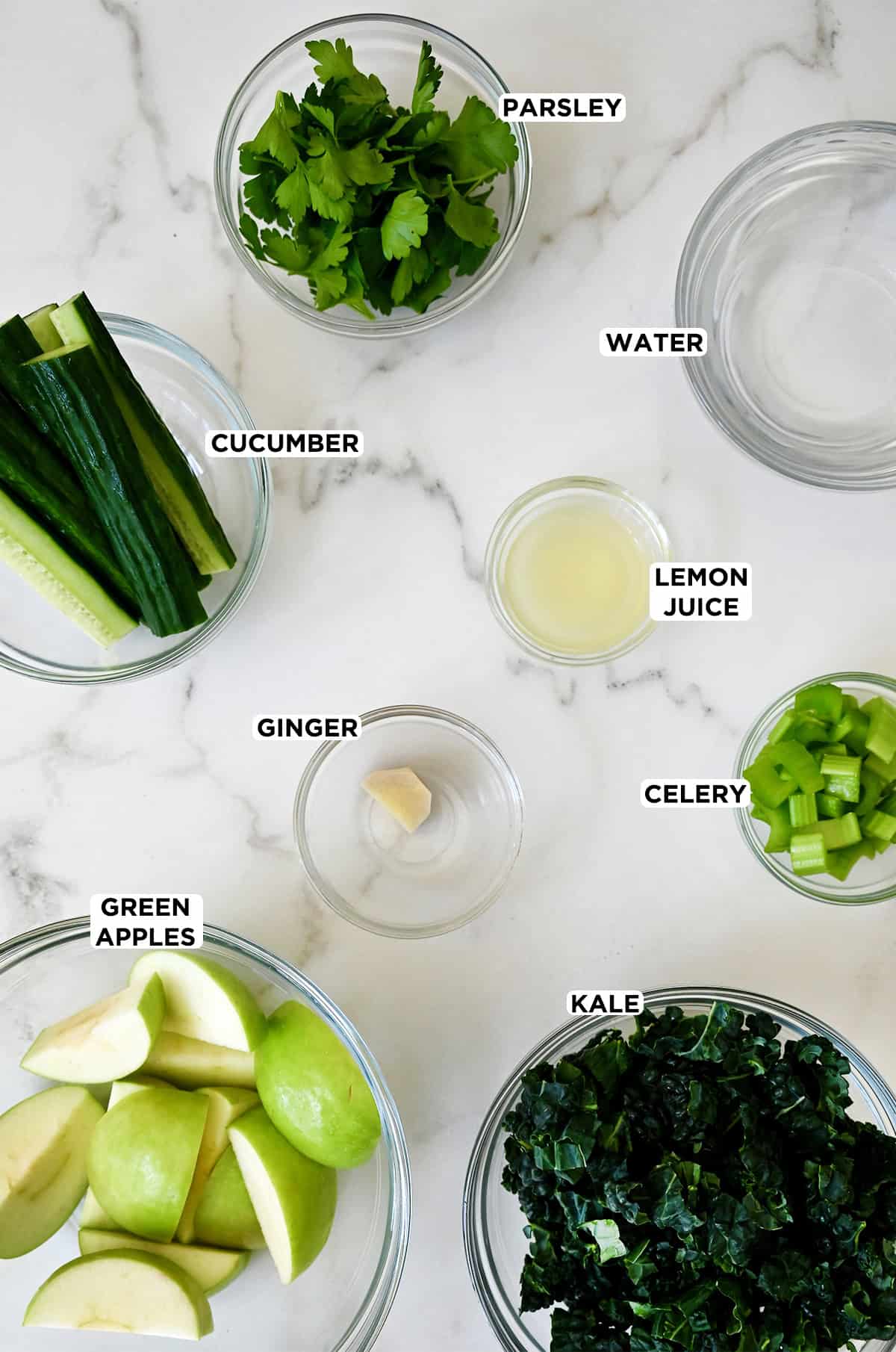
Mix sweet fruits with leafy greens for a balanced taste. Add a bit of lemon or ginger for a fresh zing. Try different combinations to find your favorite flavor. Keep it simple to enjoy natural juice flavors.
Preparing Ingredients For Blending
Preparing ingredients properly makes blending easier and tastier. It helps your blender work well and creates smooth juice. Follow these simple steps before you start blending.
Cutting And Peeling Tips
Cut fruits and vegetables into small pieces. This helps the blender chop them quickly. Peel thick skins like oranges, pineapples, and carrots. Thin skins like apples and cucumbers can stay on. Peeling removes bitterness and makes juice smoother.
Removing Seeds And Pits
Take out large seeds and pits from fruits like peaches, cherries, and plums. Seeds can damage your blender or make juice bitter. Small seeds in fruits like strawberries or kiwi are okay to blend. Removing pits keeps juice safe and tasty.
Portion Sizes
Use the right amount of ingredients for your blender size. Too much can cause overflow or uneven blending. Start with one to two cups of chopped fruit or vegetables. Add more liquid if needed to help blend smoothly.
Credit: www.justataste.com
Blending Techniques For Smooth Juice
Blending fruits and vegetables into smooth juice requires some simple techniques. The way you add ingredients and control the blender affects texture and taste. Follow these tips for the best results.
Small changes in blending can make juice smoother and more enjoyable. Keep your juice free from lumps and thick bits by using the right approach.
Layering Ingredients
Start by adding soft fruits like bananas or berries at the bottom. Place harder vegetables like carrots or celery on top. This helps the blades move easily through the ingredients.
Adding liquids like water or juice first creates a swirl that pulls solids down. This layering method prevents the blender from getting stuck or jammed.
Optimal Blending Speed
Begin blending on a low speed to mix ingredients gently. Gradually increase speed to break down tougher bits. High speed helps create a smooth, even texture.
Using the correct speed avoids large chunks and keeps juice creamy. Too fast too soon can cause splashing or uneven blending.
Preventing Overheating
Blenders can heat up if used for too long. Heat can reduce nutrients and change juice flavor. Blend in short bursts of 20 to 30 seconds.
Pause between bursts to let the blender cool. This keeps the motor safe and the juice fresh and tasty.
Straining And Serving Juice
After blending fruits and vegetables, straining the juice improves its texture and taste. It removes pulp and seeds, making the juice smooth. Serving juice freshly strained makes it more enjoyable and refreshing. Follow these simple steps to strain and serve your juice perfectly.
Using Strainers And Cheesecloth
Pour the blended mixture through a fine strainer or cheesecloth. Use a spoon to press the pulp gently. This helps extract more juice. Cheesecloth works well for thick blends. Strainers catch bigger bits and seeds. Strain the juice twice for extra smoothness.
Enhancing Flavor With Additives
Add a squeeze of lemon or lime to brighten the taste. A pinch of salt can balance flavors. Fresh mint leaves or ginger add a fresh kick. Sweeten naturally with honey or agave if needed. Stir the juice well to mix additives evenly.
Serving Suggestions
Serve juice chilled or with ice cubes. Use clear glasses to show vibrant colors. Garnish with a slice of fruit or a mint sprig. Drink juice immediately for best taste and nutrients. Store leftovers in the fridge, but consume within 24 hours.
Storing Fresh Juice
Storing fresh juice properly keeps it tasty and healthy for longer. Fresh juice can lose nutrients and flavor quickly. Proper storage helps maintain the juice’s freshness and safety. Follow simple steps to store your juice right after blending.
Choosing Containers
Pick containers that seal tightly to keep air out. Glass bottles or jars work best. Plastic containers can hold juice but may affect taste. Avoid metal containers as they can react with juice. Clean containers well before use to prevent bacteria growth.
Refrigeration Tips
Store juice in the fridge immediately after blending. Keep it in the coldest part, not the door. Fill containers to the top to reduce air inside. Shake juice before drinking to mix any settled pulp. Do not leave juice out at room temperature for long.
Shelf Life
Fresh juice tastes best within 24 to 48 hours. Nutrients start to break down after this time. Smell and taste juice before drinking to check freshness. If it smells sour or tastes off, throw it away. Freeze juice for longer storage but use within a month.
Troubleshooting Common Issues
Using a blender to make juice from fruits and vegetables is simple. Yet, some common problems can happen. Knowing how to fix these issues helps you enjoy fresh juice every time. Below are tips for solving typical blender troubles.
Dealing With Bitter Flavors
Bitter juice usually comes from certain vegetable skins or seeds. To reduce bitterness, peel the fruit or vegetable first. Remove seeds before blending. Adding a sweet fruit like apple or carrot can balance the taste. A small amount of lemon juice brightens flavor and cuts bitterness.
Avoiding Chunky Texture
Chunky juice means the blender did not blend well. Cut fruits and vegetables into smaller pieces before blending. Add some water or juice to help the blades move smoothly. Blend in short bursts, then check texture. Strain the juice through a fine mesh if chunks remain.
Fixing Blender Jams
Blender jams happen when ingredients are too thick or hard. Stop the blender immediately to avoid damage. Remove the lid and stir the contents with a spoon. Add liquid to loosen thick mixtures. Restart the blender at a low speed and increase gradually.

Credit: theconscientiouseater.com
Frequently Asked Questions
How Do I Prepare Fruits And Vegetables For Juicing?
Wash all fruits and vegetables thoroughly to remove dirt and chemicals. Cut them into small pieces that fit your blender. Remove any seeds or pits that might damage the blender blades.
Can I Use Any Blender To Make Juice From Fruits And Vegetables?
Most blenders can make juice, but a high-speed blender works best. It blends fruits and vegetables smoothly, making a better juice texture. Avoid using blenders that are weak or old to prevent poor results.
Should I Add Water Or Other Liquids When Blending For Juice?
Adding a little water helps the blender mix fruits and vegetables better. It also makes the juice thinner and easier to drink. Avoid adding too much water to keep the juice tasty and fresh.
Conclusion
Using a blender to make juice is quick and simple. Fresh fruits and vegetables give you a healthy drink. You control the ingredients and avoid added sugar. Blend, strain if you want, and enjoy your juice. Try different combinations to find your favorite taste.
Making juice at home saves money and reduces waste. Keep your blender clean for the best results. Start blending today and enjoy fresh juice anytime.