
Your dish towels work hard every day, soaking up spills and drying your dishes. But have you ever stopped to think about how clean they really are?
Dirty dish towels can harbor germs and odors that sneak into your kitchen. If you want fresh, bacteria-free towels that keep your kitchen safe and smelling great, you need to know the right way to clean them. Keep reading, and you’ll discover simple, effective tips to make your dish towels spotless and long-lasting.
Credit: www.mamaslaundrytalk.com
Choosing The Right Detergent
Choosing the right detergent is key to cleaning dish towels well. The detergent breaks down grease, removes stains, and kills bacteria. Picking a good one keeps towels fresh and long-lasting. Some detergents work better on tough stains. Others keep fabric soft and colors bright. Understanding types of detergents helps you make the best choice.
Best Detergents For Dish Towels
Powder detergents often handle heavy stains well. They lift dirt and food particles effectively. Liquid detergents dissolve quickly and work well in cold water. They are good for light stains and quick washes. Detergent pods combine cleaning power and convenience. They are easy to measure and use. Choose detergents with enzymes for breaking down grease. Avoid detergents with strong perfumes that can irritate skin.
Natural Vs. Chemical Cleaners
Natural cleaners use plant-based ingredients. They are gentle on fabric and skin. Natural detergents avoid harsh chemicals and toxins. Chemical cleaners often contain strong agents for deep cleaning. They remove tough stains and kill germs fast. Some people prefer natural for eco-friendliness. Others pick chemical for heavy-duty cleaning power. Both types can clean dish towels well. Match the detergent to your needs and preferences.
Pre-treatment Techniques
Pre-treatment techniques prepare dish towels for a deep clean. They help remove odors and stains before washing. This step saves time and improves results. Simple household items can work well for pre-treatment. Let’s explore easy ways to freshen your dish towels.
Soaking In Vinegar Or Baking Soda
Vinegar and baking soda are natural cleaners. They break down grime and kill bacteria. Fill a basin with warm water. Add one cup of white vinegar or half a cup of baking soda. Soak the dish towels for 30 minutes. This loosens dirt and removes smells. After soaking, rinse well before washing.
Removing Tough Stains
Some stains need extra care. Apply a small amount of liquid detergent or stain remover. Rub gently on the stained area. Let it sit for 10 to 15 minutes. For stubborn spots, use a paste of baking soda and water. Scrub lightly with a soft brush. Wash towels as usual to remove the stain completely.
Washing Methods
Cleaning dish towels properly keeps them fresh and lasts longer. Choosing the right washing method removes stains and bacteria effectively. Both machine and hand washing work well for dish towels. Each method has simple steps to follow for best results.
Machine Washing Tips
Use hot water to kill germs on dish towels. Hot water also removes grease and dirt better. Add a good quality detergent for strong cleaning power. Avoid using fabric softeners as they reduce towel absorbency. Wash dish towels separately to stop lint transfer. Dry towels fully in a hot dryer to prevent mildew. Clean the washing machine regularly to avoid residue buildup.
Hand Washing Tips
Fill a basin with hot water and detergent. Soak dish towels for at least 15 minutes to loosen dirt. Rub the fabric gently to remove stains. Rinse towels well with clean water to remove soap. Wring towels carefully to avoid damaging the fibers. Hang towels in direct sunlight to dry and kill germs. Hand washing is great for delicate or lightly soiled towels.
Drying For Freshness
Drying dish towels properly is key to keeping them fresh and clean. Wet towels can smell bad and breed bacteria. Choosing the right drying method helps maintain softness and freshness. Let’s explore the best ways to dry dish towels.
Air Drying Vs. Machine Drying
Air drying is gentle on fabric and saves energy. Hang dish towels in a sunny, breezy spot. Sunlight kills bacteria and removes odors naturally. Air drying takes longer but keeps towels soft and fresh.
Machine drying is faster and convenient. Use a low heat setting to avoid shrinking. Overdrying can damage fibers and cause stiffness. Add dryer balls to keep towels fluffy. Remove towels promptly to prevent wrinkles.
Avoiding Musty Smells
Musty smells appear when towels stay damp too long. Always dry towels fully before folding or storing. Avoid leaving damp towels in the washing machine. Wash towels regularly to remove buildup. Use vinegar or baking soda in the wash to fight odors naturally.
Store dry towels in a clean, dry place. Good airflow prevents musty smells. Fresh towels make your kitchen feel cleaner and more inviting.
Sanitizing Dish Towels
Sanitizing dish towels is important to keep your kitchen clean and safe. These towels often hold germs from food and spills. Cleaning alone may not remove all bacteria. Sanitizing kills germs and keeps towels fresh. Use easy methods to make sure your dish towels are truly clean.
Using Bleach Safely
Bleach is a strong sanitizer for dish towels. It kills bacteria and removes stains. Use only a small amount of bleach in the wash. Too much can damage the fabric. Always add bleach to water, never directly on towels. Run a full wash cycle with hot water. Rinse towels well to remove bleach residue. Keep bleach away from children and pets. Wear gloves to protect your skin.
Heat And Steam Methods
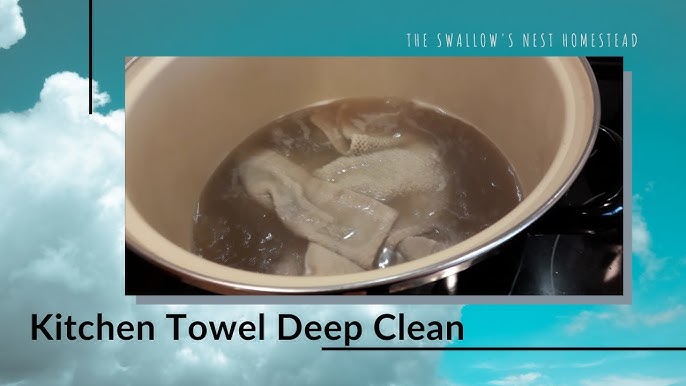
Heat and steam also sanitize dish towels effectively. High temperatures kill most germs quickly. Wash towels in the hottest water safe for the fabric. Use a dryer on a high heat setting to dry towels. Steam irons can also help sanitize towels. Press the towel with steam to kill bacteria. These methods do not use chemicals. They are safe and easy for daily use.
Credit: www.youtube.com
Maintaining Dish Towels
Maintaining dish towels keeps your kitchen clean and fresh. Dirty towels spread germs and odors. Proper care helps towels last longer and stay hygienic. Follow simple steps to keep them in good shape.
Regular Cleaning Schedule
Wash dish towels after three to four uses. Use hot water to kill bacteria. Avoid fabric softeners; they reduce absorbency. Dry towels completely to prevent mildew. Keep a rotation of towels for daily use. Clean towels help maintain a healthy kitchen.
Replacing Old Towels
Replace towels if they smell bad after washing. Look for thinning fabric or holes. Old towels don’t dry dishes well. Frequent replacement avoids bacterial buildup. Use quality towels for better durability. Fresh towels keep your kitchen safe and clean.
:max_bytes(150000):strip_icc()/wash-kitchen-towel-GettyImages-1469637886-6b67fadf0e5546be8e41a96249f77bb8.jpg)
Credit: www.realsimple.com
Frequently Asked Questions
How Often Should I Wash Dish Towels?
Wash dish towels after every 2-3 uses to prevent bacteria buildup. Frequent washing keeps them hygienic and fresh for kitchen tasks.
What Is The Best Detergent For Dish Towels?
Use a mild, fragrance-free detergent to avoid residue. Choose one with antibacterial properties for extra cleanliness and odor control.
Can I Bleach Dish Towels Safely?
Yes, but only white cotton towels. Use diluted bleach occasionally to disinfect without damaging fabric fibers or colors.
How Do I Remove Stains From Dish Towels?
Pre-treat stains with baking soda or vinegar before washing. These natural cleaners break down grease and food spots effectively.
Conclusion
Clean dish towels keep your kitchen fresh and safe. Wash them often using hot water and good detergent. Avoid mixing with heavily soiled items to keep towels bright. Dry towels completely to stop bacteria growth. Regular cleaning helps towels last longer and smell better.
Follow these simple steps for fresh, clean dish towels every time. Keep your kitchen healthy and your towels ready for use. Small efforts make a big difference in kitchen hygiene.