
Choosing the right cookware set can change the way you cook and enjoy your meals. But with so many options out there, it’s easy to feel overwhelmed.
You want something that fits your style, lasts long, and makes cooking easier—not harder. This guide will help you cut through the noise and find the perfect cookware set tailored to your needs. By the end, you’ll feel confident making a choice that saves you time, money, and frustration in the kitchen.
Ready to discover what works best for you? Let’s dive in.
Cookware Materials
Choosing the right cookware material affects cooking results and ease of use. Each material has unique features. Some heat quickly, some last longer, and some need special care. Understanding these materials helps pick the best set for your kitchen needs.
Stainless Steel
Stainless steel is strong and does not rust. It heats evenly but not as fast as other metals. This material works well for boiling, frying, and sautéing. Easy to clean and dishwasher safe. It does not react with acidic foods.
Nonstick
Nonstick cookware prevents food from sticking. It needs less oil, making meals healthier. Perfect for eggs, pancakes, and delicate fish. Use soft utensils to avoid scratches. Not ideal for high heat cooking.
Cast Iron
Cast iron holds heat very well. It is great for slow cooking and frying. Needs seasoning to keep its nonstick surface. Very durable and can last for years. Heavy but excellent for searing meats.
Copper
Copper heats up fast and cools down quickly. Offers excellent temperature control. Often lined with stainless steel to avoid reactions with food. Requires polishing to keep its shine. Copper cookware looks beautiful in any kitchen.
Aluminum
Aluminum heats quickly and evenly. It is lightweight and affordable. Often coated to prevent food from reacting with the metal. Not as durable as stainless steel or cast iron. Great for everyday cooking tasks.
Set Types And Sizes
Choosing the right cookware set depends on the type and size of the set. Different sets include various pots and pans. Each set fits different cooking needs and kitchen sizes. Understanding the types helps you buy the best set for your home. Size matters too. Smaller sets suit small kitchens or simple meals. Larger sets work well for families or big meals.
Basic Sets
Basic sets usually have three to five pieces. They often include a frying pan, a saucepan, and a stockpot. These sets cover most everyday cooking tasks. Ideal for beginners or small kitchens. Basic sets save space and cost less. A good start for simple meal preparation.
Comprehensive Sets
Comprehensive sets include more pieces, often 10 or more. These have various pots, pans, and lids for different cooking styles. They may include sauté pans, skillets, and Dutch ovens. Perfect for people who cook often or try new recipes. Larger sets allow more flexibility in the kitchen. They take more storage space but offer more options.
Specialty Pieces
Specialty pieces are single items to add to any set. Examples include grill pans, woks, or crepe pans. These pieces suit specific cooking tasks or cuisines. They help expand your cooking skills and variety. Specialty cookware may be bought separately or in small sets. Good for cooks who want to try new dishes.
Heat Conductivity And Performance
Heat conductivity and performance play a big role in choosing cookware sets. Good heat conductivity means food cooks evenly without hot spots. Cookware that performs well saves energy and time. It also helps keep food tasty and well-cooked. Understanding these factors helps pick the right set for your kitchen.
Even Heating
Even heating means the pan heats all over, not just in spots. This stops food from burning or sticking. Materials like copper and aluminum have high heat conductivity. They spread heat quickly and smoothly. Cookware with even heating cooks food better and faster.
Heat Retention
Heat retention means the pan holds heat for a long time. Cast iron and stainless steel keep heat well. This helps cook food steadily and keeps it warm longer. Cookware with good heat retention saves energy and improves cooking results.
Induction Compatibility
Induction cooktops need cookware that works with magnetic fields. Not all cookware heats on induction stoves. Look for sets marked “induction compatible.” Stainless steel and cast iron usually work well. Using the right cookware keeps cooking safe and efficient.

Credit: www.amazon.com
Durability And Maintenance
Durability and maintenance are key factors when choosing cookware sets. A durable set lasts longer and saves money. Easy maintenance means less time cleaning and more time cooking.
Consider how the cookware handles daily use. Some materials resist scratches and warping better. Others need special care like seasoning. Understanding these aspects helps pick the right set.
Cleaning Tips
Clean cookware right after use. Use warm water and mild soap. Avoid harsh scrubbers that damage surfaces. For stuck food, soak the pan first. Hand washing is better for most sets. Some cookware is dishwasher safe but check labels.
Scratch And Warp Resistance
Cookware made from stainless steel resists scratches well. Nonstick coatings can scratch easily. Use wooden or silicone utensils only. Warping happens with sudden temperature changes. Heavy-gauge materials hold shape better. Avoid high heat on thin pans.
Seasoning Requirements
Cast iron and carbon steel need seasoning. It creates a natural nonstick surface. Season by coating with oil and heating. Re-season often to keep the surface smooth. Avoid soap when cleaning seasoned pans. Proper seasoning improves durability and cooking quality.
Handle And Lid Features
Choosing the right cookware set means paying close attention to handle and lid features. These parts affect comfort and safety during cooking. They also influence how well your food cooks and how easy cleanup is. Handles and lids come in many styles and materials. Picking the best ones makes your kitchen work smoother.
Ergonomics And Safety
Handles should feel comfortable and secure in your hand. A good grip prevents slipping and accidents. Look for handles with a soft or textured surface. They reduce strain on your wrist and fingers. Heat-resistant handles keep you safe from burns. Check if handles stay cool during cooking. Some sets have riveted handles for extra strength. Avoid handles that get loose over time.
Material And Heat Resistance
Cookware handles come in metal, plastic, silicone, or wood. Metal handles are durable but can get hot. Plastic and silicone handles resist heat but may melt on high heat. Wood stays cool but needs more care. Choose handles that match your cooking style. Oven-safe handles add versatility. They let you move pots from stovetop to oven easily. Heat resistance affects safety and comfort.
Lid Types And Venting
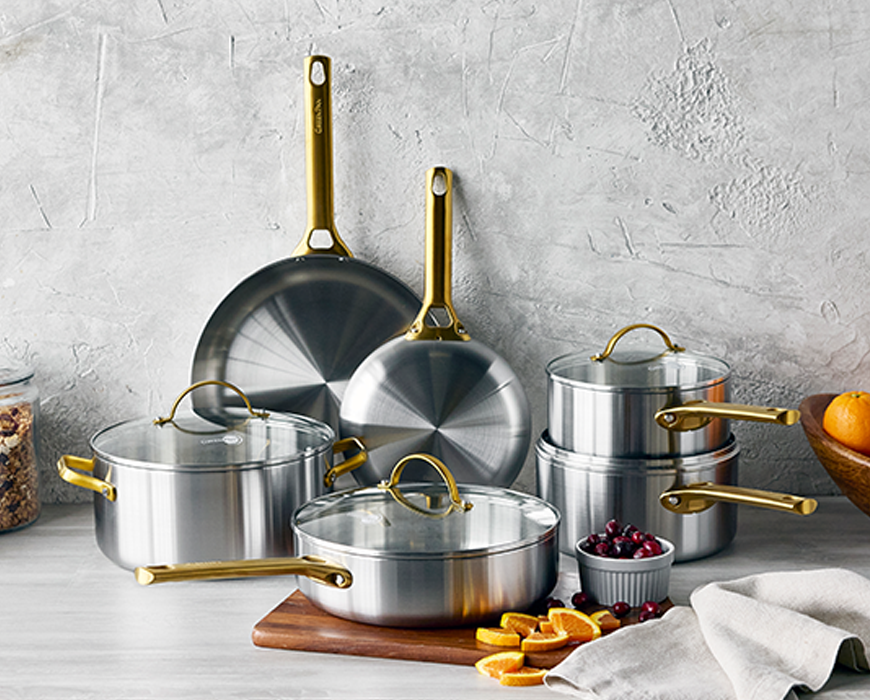
Lids help trap heat and moisture in your cookware. Glass lids let you watch food without lifting the lid. Metal lids are durable and retain heat well. Some lids have vents to release steam. Vents prevent boil-overs and keep cooking steady. Tight-fitting lids lock in flavors better. Check if lids fit well to avoid spills. Different lid types suit different cooking needs.
Credit: www.greenpan.us
Budget Considerations
Choosing cookware sets involves thinking about your budget carefully. Spending too little might mean poor quality. Spending too much may not fit your needs. Knowing how to balance cost and quality helps you buy smartly. Consider what you want and what you can afford. This helps you find the best set without overspending.
Cost Vs. Quality
Cheap cookware sets may wear out fast. They might stick or lose heat evenly. Higher quality sets last longer and cook better. Good materials like stainless steel or hard-anodized aluminum cost more. But they offer better cooking and durability. Think about how often you cook and what you need.
Long-term Investment
Buying a sturdy cookware set saves money over time. It may cost more first but lasts many years. You avoid replacing pots and pans often. Durable sets keep their look and cooking power. A long-lasting set is better for your kitchen and wallet.
Affordable Alternatives
Sets with fewer pieces can cost less and still work well. Non-stick pans are usually cheaper and easy to clean. Look for sales or discounts to get good deals. Used or refurbished cookware can be safe and affordable. Choose options that fit your cooking style and budget.
Brand Reputation And Warranty
Choosing cookware sets involves more than looks and price. Brand reputation and warranty matter a lot. These factors show the quality and trust behind the product. A good brand usually means better materials and craftsmanship. Warranty offers protection if something goes wrong. Together, they help make a smart purchase.
Trusted Manufacturers
Brands with strong reputations often deliver reliable cookware. They use tested materials that last long. Top manufacturers spend time on research and design. Their products undergo strict quality checks. Choosing a known brand reduces the risk of poor quality. It also ensures better customer service and support.
Warranty Coverage
A solid warranty covers defects and damage. It shows the brand’s confidence in its product. Check how long the warranty lasts. Some brands offer lifetime coverage, others only a year or two. Read the warranty terms carefully. Know what is included and what is not. This helps avoid surprises later on.
Customer Reviews
Reviews reveal real user experiences. They highlight strengths and weaknesses of cookware sets. Look for patterns in reviews about durability and performance. Pay attention to comments on warranty claims. Positive feedback from many buyers signals a trustworthy product. Negative reviews may warn of potential problems.

Credit: www.t-fal.com
Compatibility With Cooktops
Choosing the right cookware set depends a lot on the type of cooktop you have. Different cooktops need different cookware materials and shapes. Using the wrong cookware can damage your stove or cook unevenly. Check your cooktop’s instructions before buying any set. This saves money and avoids frustration.
Gas And Electric Stoves
Most cookware works well on gas and electric stoves. Pots and pans with flat bottoms sit evenly on electric coils. Gas stoves heat quickly and give good control. Stainless steel, cast iron, and aluminum cookware suit these stoves. Avoid warped or uneven bottoms. They cause poor heat contact and slow cooking.
Induction Cooktops
Induction cooktops need special cookware. They use magnets to heat pots and pans. Not all metals work for induction. Cookware must be magnetic, like cast iron or some stainless steel. Aluminum and copper usually do not work unless they have a magnetic base. Test with a magnet to be sure. Flat and smooth bottoms improve contact and cooking.
Oven-safe Options
Some cookware can go from stove to oven. Oven-safe sets save time and dishes. Check the handles and lids for heat resistance. Avoid plastic or wooden handles if you want oven use. Look for clear oven temperature limits. Cast iron and stainless steel often work well in ovens. Always confirm before placing cookware inside the oven.
Eco-friendly And Health Aspects
Choosing cookware sets that are eco-friendly and safe for health is important. Cookware made with harmful chemicals can affect food quality and your well-being. Also, eco-friendly options help reduce waste and protect nature. Understanding key aspects like materials, recyclability, and sustainability helps make better choices.
Non-toxic Materials
Cookware should be free from harmful chemicals like PFOA and PTFE. These chemicals may release toxins when heated. Look for sets made from stainless steel, cast iron, or ceramic. These materials do not leach harmful substances into food. Non-toxic cookware keeps your meals safe and healthy.
Recyclability
Recyclable cookware reduces landfill waste and saves resources. Metals like stainless steel and aluminum are easy to recycle. Avoid cookware with mixed materials that are hard to recycle. Check labels or product details for recycling information. Recyclable cookware supports a cleaner environment.
Sustainability
Sustainable cookware comes from sources that protect the planet. Choose brands using recycled metals or renewable materials. Durable cookware lasts longer and reduces waste. Avoid cheap, short-lived sets that wear out fast. Sustainable choices help conserve natural resources for future generations.
Frequently Asked Questions
What Factors Should I Consider When Choosing Cookware Sets?
Consider material, durability, heat conductivity, and non-stick features. Also, check compatibility with your cooktop and ease of cleaning. Size and number of pieces matter for your cooking style. Budget and warranty are important too for long-term use.
Which Cookware Materials Are Best For Everyday Cooking?
Stainless steel offers durability and even heating. Non-stick pans are great for low-fat cooking. Cast iron retains heat well but needs maintenance. Aluminum heats quickly but may react with acidic foods. Choose based on your cooking habits and needs.
How Do I Know If A Cookware Set Is Dishwasher Safe?
Check the manufacturer’s label or product description for dishwasher-safe mention. Most stainless steel sets are dishwasher safe. Non-stick coatings vary, so confirm before washing. Hand washing often extends cookware life and maintains coating integrity.
Are Expensive Cookware Sets Worth The Investment?
High-quality sets offer better heat distribution and durability. They often come with warranties and last longer. However, mid-range sets can be sufficient for casual cooks. Consider frequency of use and cooking style before investing.
Conclusion
Choosing the right cookware set makes cooking easier and more fun. Think about your cooking style and what materials suit you best. Consider durability and how easy the pots and pans are to clean. Don’t forget to check the size and number of pieces in the set.
This helps you avoid buying what you don’t need. Take your time and compare options carefully. Good cookware lasts a long time and helps you create great meals every day.