
A can opener slices and lifts a metal lid by clamping, cutting, and turning with leverage.
I have used and tested many can openers over years in kitchens and labs. This guide explains how does a can opener work in plain terms. You will learn the parts, the physics, common problems, and practical tips to choose and use the right opener. Read on to get confident opening cans safely and efficiently.
How does a can opener work?
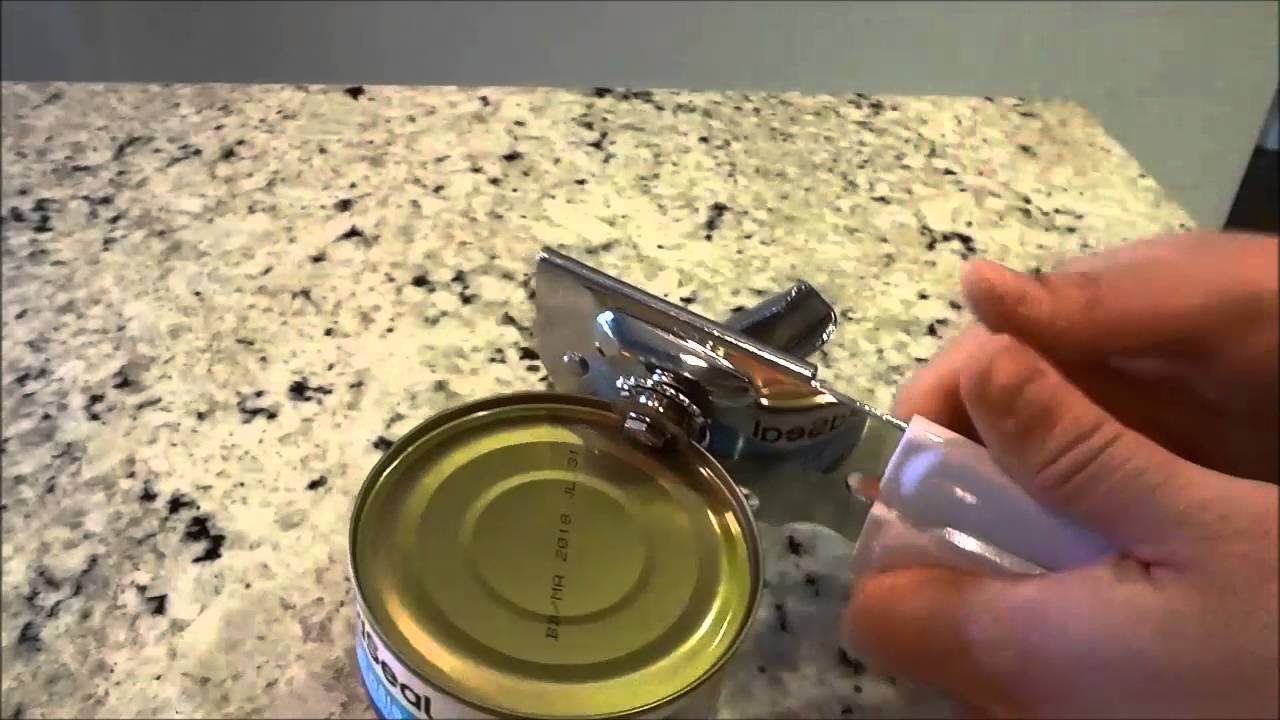
The core idea of how does a can opener work is simple. The tool clamps to the can rim, uses a sharp wheel to pierce or score the lid, then a gear and handle turn the wheel while a feed wheel or edge holds the can steady. As you turn, the cutting wheel shears metal along a controlled path until the lid separates.
Key steps in the process:
- Clamp or place the opener onto the can rim so the cutting wheel contacts the lid edge.
- Turn the handle or activate the motor to rotate the cutting wheel.
- The cutting wheel cuts or scores the lid while a feed wheel advances the opener around the can.
- When the cut is complete, lift or remove the lid safely using the opener’s lift or a utensil.
Types of cutting action:
- Puncture-and-turn: A sharp point pierces the lid, then the opener works outward. This is common in simple manual openers.
- Side-cut (smooth-edge): The blade cuts along the side of the lid, leaving a smooth edge and separate lid. This method is common in safety top openers.
I often explain the mechanism by comparing it to a rotary cookie cutter: pressure plus rotation equals a clean, controlled cut. When you understand how does a can opener work, you know why steady pressure and correct placement matter.
Types of can openers and how each works
Manual wheel can opener
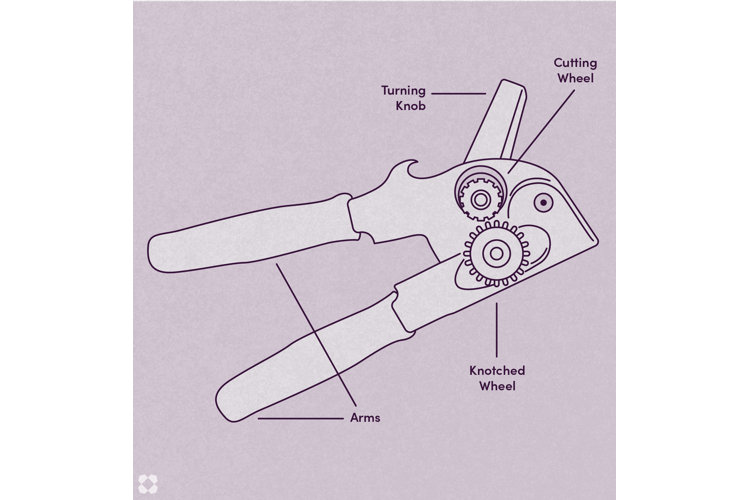
- Uses a sharp cutting wheel, a serrated feed wheel, and a turning handle.
- The feed wheel grips the can rim and advances as the handle turns.
- Most common in home kitchens for standard cans.
Church key and simple puncture opener
- Has a pointed end that punctures the lid.
- You rock it to make successive holes or pry up the lid.
- Fast for thin lids but leaves sharp edges.
Side-cut (smooth-edge) can opener
- Cuts the can at the side of the lid, not the top.
- Leaves a smooth edge on both the can and lid.
- Preferred for safety and for reducing metal flakes.
Electric can opener
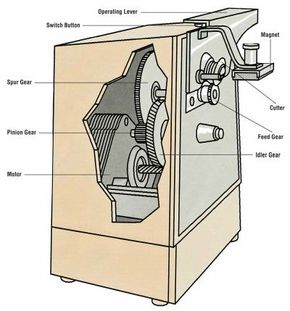
- Motor turns the cutting assembly automatically.
- Feed wheel and cutting wheel mimic manual action but powered.
- Good for frequent use or limited hand strength.
Ring-pull and pop-top designs (not openers but related)
- Built into the can lid; you pull a tab to break a scored seam.
- The opening design reduces need for tools and is common for beverages and some foods.
Knowing how does a can opener work helps you pick the right type for your needs. For example, choose side-cut if safety is a priority, or electric for ease.
 components and the physics behind operation”
style=”max-width: 100%; height: auto; border: 2px solid black; border-radius: 10px; display: block; margin: 0 auto;”
loading=”lazy”
/>
Key components and the physics behind operation
Main components you will find:
- Cutting wheel or blade: does the metal shearing.
- Feed wheel or clamp: holds the can and advances movement.
- Gear train or handle: converts your force into rotation.
- Housing or frame: aligns parts and gives leverage.
Simple physics in play:
- Shear force: the cutting wheel applies concentrated force to slice the metal.
- Torque: the handle multiplies your muscle power, making cutting easier.
- Friction and grip: the feed wheel must grip the rim to prevent slipping.
Analogy: think of a pencil sharpener. The blade and rotation remove material in a controlled spiral. A can opener uses the same idea but on tougher metal. When you understand these parts and forces, you can see why dull wheels or loose gears make the opener fail.

Common problems, troubleshooting, and maintenance
Problems you may meet:
- Slipping feed wheel or poor grip
- Dull cutting wheel that tears instead of cuts
- Rusted parts or sticky gears
- Electric opener that stalls or overheats
Troubleshooting tips:
- Clean the wheels and hinge after each use to remove food residue.
- If the feed slips, wipe the rim and wheel; replace the opener if wear is heavy.
- For dull blades, some openers allow replacement; otherwise buy a new unit.
- For electric units, ensure the motor vents are clear and don’t force a stuck can.
Maintenance routine I use:
- Rinse and dry the cutting and feed wheels after use.
- Apply a drop of food-safe mineral oil to the hinge once a month.
- Store manual openers dry to prevent rust.
- Replace electric brushes or the unit if performance drops.
From experience, a small investment in maintenance doubles an opener’s life. A clean, tight opener always shows how does a can opener work the best.
:max_bytes(150000):strip_icc()/can-openers-2000-b6d43ea6971e4c658c6dbbe290c2ee98.jpg)
Safety tips and best practices
Safe handling tips:
- Always keep fingers away from the cutting wheel and open lid edge.
- Use a spoon or magnet to lift the lid rather than fingers when possible.
- If the opener produces metal shavings, rinse the food and the can before use.
Best practices for choosing and using:
- Choose a side-cut or smooth-edge opener for safer lids.
- For thick industrial cans, use a heavy-duty opener designed for them.
- If you feel resistance, stop and realign instead of forcing the opener.
A small habit change, like wiping the rim first and using the correct opener, removes many risks and shows practically how does a can opener work safely in daily life.

My experience and practical tips
I’ve tested many openers over the years in home kitchens and food prep settings. My favorite is a well-built side-cut manual opener. It gives smooth lids and fewer metal shards. I learned these lessons:
- Avoid cheap openers that bend easily. They hide poor gear alignment.
- Don’t let food dry on the wheels. It gums up the motion quickly.
- Electric openers are great for arthritis or heavy use, but they need cleaning and can be noisy.
Practical tips you can use today:
- Test a new opener on an empty can first to see how it grips.
- Keep a magnet near the sink to pick up small metal flakes.
- Replace openers every few years if you use them a lot; parts wear out.
These are simple steps that reflect hands-on experience and show how does a can opener work best in real kitchens.
Frequently Asked Questions of how does a can opener work
What is the simplest way to explain how does a can opener work?
A can opener clamps onto the can and uses a cutting wheel to slice the lid while a gear or feed wheel advances the tool. Turning the handle or motor keeps the blade moving in a circle until the lid is free.
Can a can opener be used on any metal can?
Most standard can openers work on common food cans. Very thick or irregular industrial cans may need a heavy-duty opener designed for those sizes.
Why does my can opener sometimes leave jagged edges?
Jagged edges happen when the blade is dull, misaligned, or when the opener slips. Cleaning, tightening, or replacing the blade usually fixes this.
How often should I clean or oil my can opener?
Clean after each use and oil the hinge with a food-safe oil about once a month for typical home use. This prevents rust and keeps parts moving smoothly.
Is a side-cut can opener safer than a top-cut opener?
Yes. Side-cut openers leave a smooth edge on the lid and can, which reduces cuts and metal flakes. Many people prefer them for safety.
Can electric can openers damage food or lids?
Electric openers generally mimic manual motion, but if misaligned they can tear lids or stall. Regular cleaning and correct placement prevent most issues.
How do I know when to replace my can opener?
Replace it when the cutting wheel no longer cuts cleanly, the feed wheel slips, or parts are rusted beyond safe cleaning. Frequent use speeds replacement needs.
Conclusion
Understanding how does a can opener work gives you control and confidence in the kitchen. You now know the main parts, the physics, the common issues, and practical tips for safer, smoother use. Try the maintenance steps and choose the type that fits your needs to make can opening faster and safer. If this helped, share your experience below, subscribe for more hands-on guides, or leave a comment with questions about specific can openers.