
Are you tired of your dish towels slipping off hooks or cluttering your kitchen counters? Imagine having beautiful, custom-made hanging dish towels that stay put and add a personal touch to your kitchen.
How to Sew Hanging Dish Towels Sewing your own hanging dish towels is easier than you think, and once you learn the simple steps, you’ll wonder why you never tried it before. In this guide, you’ll discover how to create practical and stylish towels that hang perfectly every time.
Ready to transform your kitchen routine and add a bit of charm? Let’s get started!

Credit: www.youtube.com
Materials Needed
Gathering the right materials makes sewing hanging dish towels easier. Having good fabric, tools, and supplies ensures neat, durable towels. Preparing these items before starting saves time and frustration. Below are the basics needed for this simple sewing project. How to Sew Hanging Dish Towels
Fabric Choices
Choose cotton or linen for absorbent towels. These fabrics dry fast and feel soft. Avoid slippery or stretchy fabrics that are hard to sew. Look for patterns or colors that match your kitchen style. Pre-wash fabric to prevent shrinking later.
Sewing Tools
A sewing machine speeds up the work but hand sewing works too. Needles should fit your fabric thickness. Sharp scissors cut fabric cleanly. Pins hold fabric pieces together while sewing. Use a measuring tape for exact sizes. An iron helps press seams flat.
Additional Supplies
Thread in colors matching your fabric looks neat. A fabric marker or chalk marks sewing lines. A loop or ribbon makes hanging easier. Choose sturdy options that hold weight well. Keep a seam ripper handy to fix mistakes. Use interfacing for added strength if needed.
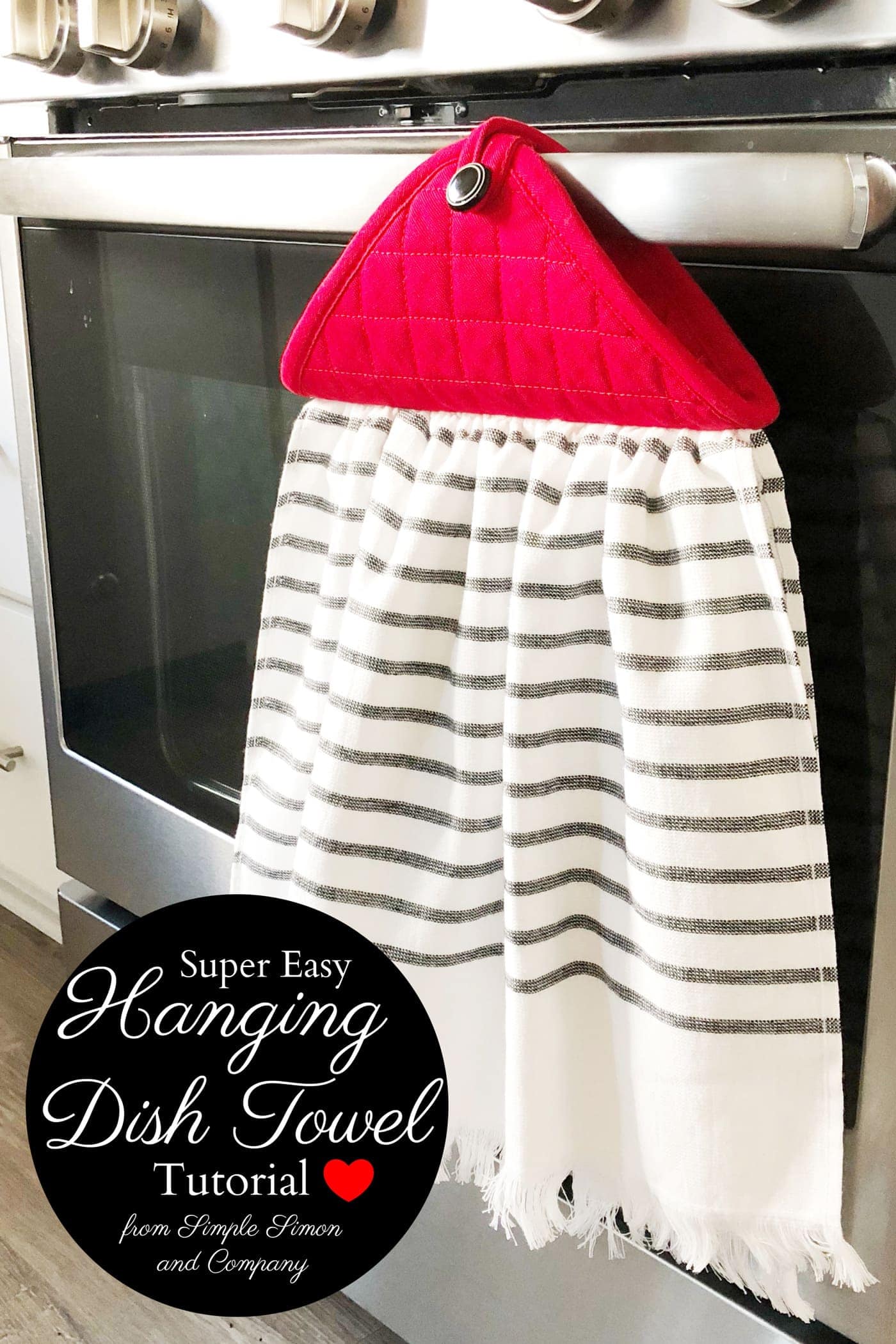
Credit: www.polkadotchair.com
Preparing The Fabric
Preparing the fabric is the first step in sewing hanging dish towels. It sets the base for a neat and durable towel. Proper preparation helps avoid issues like shrinking or uneven edges later. Taking time here makes sewing easier and the final product better.
Measuring And Cutting
Start by measuring the fabric carefully. Standard dish towels are about 16 by 28 inches. Add an extra inch on all sides for seams. Mark the fabric with a pencil or fabric chalk. Use sharp scissors to cut along the marks. Cut slowly to get straight edges. Clean cuts help make neat seams and corners.
Pre-washing Tips
Wash the fabric before cutting to avoid shrinkage later. Use warm water and mild detergent. Avoid fabric softeners; they reduce absorbency. Dry the fabric fully before cutting. Iron it flat for easier measuring and cutting. Pre-washing also removes chemicals or dust from the fabric. This step helps keep your dish towel in shape after washing.
Sewing The Towels
Sewing hanging dish towels is a simple and fun project. It lets you create useful kitchen items with a personal touch. This section guides you through the key steps to sew the towels neatly and securely.
Focus on strong seams and neat finishes. These details make your towels last longer and look great. Follow each step carefully for the best results.
Stitching The Edges
Start by folding the towel edges to prevent fraying. Use a straight stitch close to the fold. Sew all around the towel, keeping stitches even. This step gives the towel a clean and finished look.
Creating The Hanging Loop
Cut a small strip of fabric or use ribbon for the loop. Fold it in half and sew the open edges. Attach the loop to a towel corner. Sew it firmly so it can hold the towel’s weight.
Adding Decorative Details
Enhance your towel with simple decorations. Use colorful thread for topstitching or small embroidery. Add buttons or fabric patches for extra charm. Keep decorations light to avoid heavy towels.
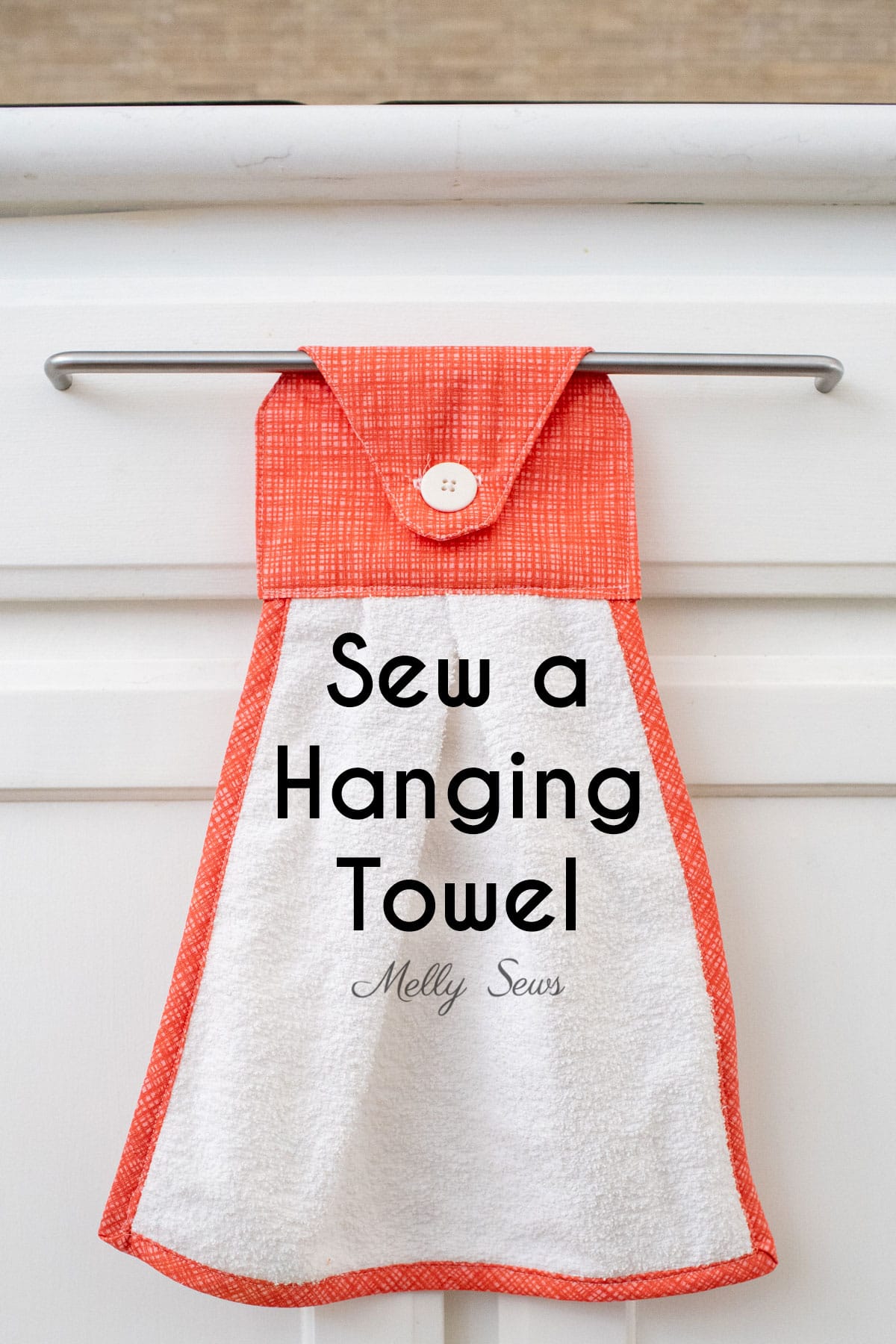
Credit: mellysews.com
Finishing Touches
Finishing touches make your hanging dish towels look neat and complete. These final steps help your towels last longer and add a personal style. Simple actions can improve the towel’s appearance and function.
Pressing And Ironing
Press your towel with an iron to remove wrinkles. Use the right heat setting for the fabric type. Iron both sides for a smooth finish. Avoid pressing over stitches to keep them strong. A crisp towel looks fresh and tidy.
Personalizing Your Towels
Add simple details to make your towel unique. Sew on a small patch or use fabric paint for designs. Attach a button or ribbon to the hanging loop. These touches show your style and make towels easy to find. Personalizing makes your sewing project special.
Hanging And Styling
Hanging your sewn dish towels properly keeps them handy and looks nice. Styling these towels adds a fresh touch to your kitchen. Simple steps make your towels both useful and beautiful.
Choosing the right spot and matching your towels with kitchen colors improves the space. Let’s explore where to hang and how to style your dish towels.
Best Places To Hang
Hang dish towels where you can easily reach them. Near the sink is a perfect spot. It saves time when drying hands or dishes.
Use hooks on cabinet doors or a bar above the sink. A towel ring near the stove also works well.
Keep towels away from heat sources to avoid damage. Make sure they dry quickly to stay fresh and clean.
Coordinating With Kitchen Decor
Pick towel colors that match your kitchen’s theme. Soft pastels fit bright kitchens. Darker colors suit rustic or modern styles.
Patterns on towels can add personality. Stripes, checks, or simple shapes catch the eye.
Use towels to highlight or complement your kitchen colors. They act like small decor pieces without clutter.
Care And Maintenance
Taking good care of your hanging dish towels keeps them clean and fresh. Proper care helps the towels last longer. It also keeps them looking bright and new. Follow simple steps for washing and maintaining your towels.
Washing Tips
Wash towels separately from other clothes. Use warm water to remove dirt and stains. Choose a mild detergent to protect the fabric. Avoid bleach, which can weaken fibers. Rinse thoroughly to remove all soap. Dry towels completely before storing to prevent mildew.
Extending Towel Life
Hang towels to dry after each use. Avoid overloading the washing machine. Wash towels regularly to stop odors. Repair small tears or loose threads quickly. Store towels in a dry, cool place. These steps keep your towels strong and useful.
Frequently Asked Questions
How Do I Start Sewing Hanging Dish Towels?
Begin by choosing fabric and measuring towel size. Cut fabric, add hems, and sew a hanging loop on one corner for easy display.
What Materials Are Best For Hanging Dish Towels?
Cotton or linen fabrics are ideal. They absorb moisture well and dry quickly, making them perfect for dish towels.
How Do I Attach A Hanging Loop To Towels?
Cut a fabric strip, fold, and sew into a loop. Attach securely to one towel corner with strong stitches.
Can I Customize Designs On My Dish Towels?
Yes, use fabric paints, embroidery, or appliqué to personalize towels. Custom designs add charm and uniqueness to your kitchen.
Conclusion
Sewing hanging dish towels is simple and useful. You only need a few materials and basic skills. These towels save space and keep your kitchen tidy. Try different fabrics and colors for a personal touch. Practice makes your sewing better and faster.
Enjoy making your kitchen more organized and stylish. Keep sewing, and soon you will make many useful items. Happy sewing!