
If you want to cook meals faster without losing flavor or nutrients, a stove pressure cooker is your best friend. But if you’ve never used one before, it might seem tricky or even a bit scary.
Don’t worry—this guide will show you exactly how to use your stove pressure cooker safely and easily. By the end, you’ll be saving time in the kitchen and making delicious dishes that impress everyone. Ready to unlock the full potential of your pressure cooker?
Let’s dive in!

Credit: www.wikihow.com
Choosing The Right Pressure Cooker
Choosing the right pressure cooker is the first step to easy and fast cooking. A good pressure cooker saves time and energy. It also keeps food tasty and nutritious. Picking the right one depends on your kitchen needs and cooking habits.
Consider how often you cook and the types of meals you make. Think about your stove type and kitchen space. The right pressure cooker fits your lifestyle and helps you cook better meals every day.
Types Of Stove Pressure Cookers
There are two main types of stove pressure cookers. The traditional model uses a weight to control pressure. It takes longer to reach pressure but works well for slow cooking.
The modern spring valve type keeps steady pressure automatically. It cooks faster and is easier to use. Both types work on gas and electric stoves.
Size And Capacity Options
Pressure cookers come in many sizes. Small sizes hold 2 to 4 liters. They are good for singles or couples. Medium sizes hold 5 to 6 liters and fit small families.
Large cookers hold 7 liters or more. They suit big families or batch cooking. Choose a size that matches your usual meal portions.
Material And Build Quality
Most pressure cookers are made from stainless steel or aluminum. Stainless steel is strong, durable, and easy to clean. It works well on all stove types.
Aluminum is lighter and heats up quickly. It may not last as long but costs less. Look for thick bases to avoid hot spots and burning.
Preparing Your Pressure Cooker
Preparing your pressure cooker is the first step for safe and tasty meals. Taking time to get your cooker ready helps avoid problems during cooking. It also keeps your food healthy and fresh.
Follow simple steps to check parts, clean the cooker, and gather ingredients. These small actions make a big difference in your cooking experience.
Checking Seals And Valves
Check the rubber seal for cracks or hard spots. A damaged seal can cause steam to escape. Also, look at the pressure valve. Make sure it moves freely and is not blocked. These parts keep the cooker safe.
Cleaning Before Use
Wash the cooker pot and lid with warm, soapy water. Rinse well to remove soap residue. Clean the valve and seal gently. Dirt or food bits can block steam flow. Dry all parts before assembly.
Gathering Ingredients
Prepare all ingredients before turning on the cooker. Cut vegetables and measure spices. Have liquids ready, like water or broth. This helps to cook evenly and saves time. Ready ingredients mean smooth cooking.
Basic Steps To Use A Stove Pressure Cooker
Using a stove pressure cooker can save time and energy in the kitchen. Understanding the basic steps ensures safe and efficient cooking. Follow these clear instructions to get started with your pressure cooker.
Adding Ingredients And Liquid
Place your ingredients inside the cooker pot. Always add enough liquid, usually water or broth. The liquid creates steam needed for pressure. Avoid filling the cooker more than two-thirds full. This prevents overflow and ensures proper cooking.
Sealing The Lid Properly
Place the lid on the cooker carefully. Align the lid with the pot’s edges. Lock the lid firmly to seal the cooker. Check the rubber gasket inside the lid for damage. A tight seal keeps steam inside and builds pressure.
Setting The Heat
Turn the stove heat to high to start pressure build-up. Wait for the pressure indicator to rise. Once at pressure, lower the heat to maintain it. Keep the heat steady for even cooking. Avoid opening the lid until pressure drops.
Cooking Times And Pressure Levels
Cooking times and pressure levels are key to using a stove pressure cooker properly. They control how fast your food cooks and how tender it becomes. Understanding these settings helps you cook food perfectly every time. This section explains the different pressure levels and how to adjust cooking times for various foods.
Low Vs. High Pressure Settings
Pressure cookers often have two main settings: low and high pressure. Low pressure cooks food gently and is good for delicate items like fish or vegetables. High pressure cooks food faster and is ideal for tough meats or beans. Choosing the right pressure setting depends on the type of food and how soft you want it.
Adjusting Cooking Time For Different Foods
Different foods need different cooking times under pressure. For example, rice cooks quickly, while dried beans need longer. Meat cuts vary too; tough cuts require more time than tender ones. Always check recipe times and adjust based on your cooker’s pressure setting. Start with recommended times and add or reduce minutes as needed.
Tips For Consistent Results
Use the same pressure level and cooking time for repeated recipes. Avoid opening the cooker before the pressure drops naturally. This helps keep food moist and tender. Use a timer to avoid overcooking. Regularly check your cooker’s seals and valves to keep pressure steady. These tips ensure your meals turn out well every time.
Releasing Pressure Safely
Releasing pressure safely is very important when using a stove pressure cooker. The cooker builds up steam inside. This steam creates pressure that cooks food fast. Releasing this pressure carefully stops accidents and keeps you safe.
There are two main ways to release pressure: natural release and quick release. Each method works best in different situations. Knowing how and when to use them helps you cook better meals.
Natural Pressure Release
Natural release means letting the pressure go down on its own. Turn off the heat and wait. The pressure slowly drops as the cooker cools. This can take 10 to 30 minutes.
This method is gentle. It keeps food tender and moist. It works well for soups, stews, and large cuts of meat. The lid unlocks only when pressure is fully gone.
Quick Pressure Release
Quick release lets steam out fast. Use the valve or button on the cooker. Steam escapes quickly with a loud hiss. Be careful to avoid steam burns.
This method is good for foods that cook fast. Vegetables or seafood stay crisp and don’t overcook. Use a long utensil or cloth to move the valve safely.
When To Use Each Method
Choose natural release for tough meats and thick soups. It helps flavors blend and softens food nicely. Quick release suits delicate foods and short cooking times.
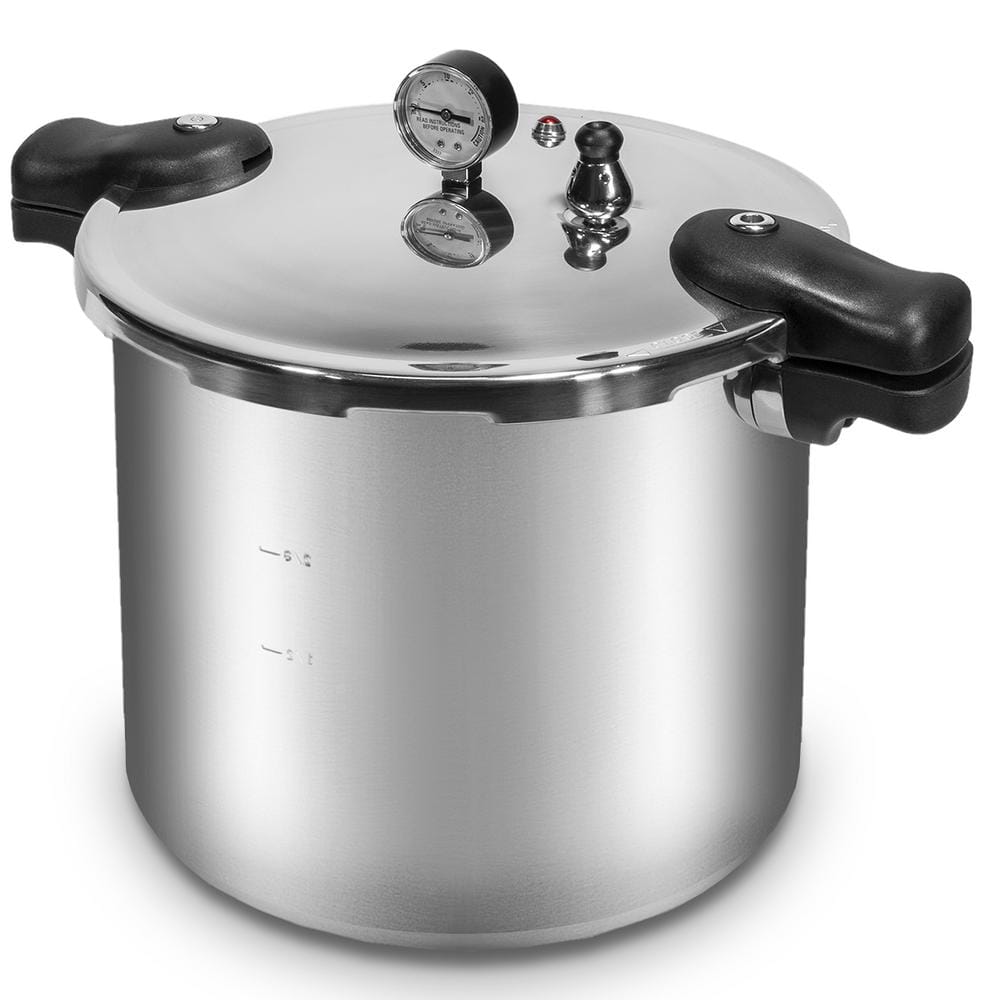
Follow your recipe’s instructions. Safety first. Always make sure the pressure is fully released before opening the lid.
Credit: www.homedepot.com
Cleaning And Maintenance
Cleaning and maintenance keep your stove pressure cooker safe and efficient. Dirt or food buildup can stop it from working well. Regular care helps the cooker last longer. Follow simple steps to clean and store your cooker correctly.
Disassembling And Washing Parts
Start by taking apart your pressure cooker. Remove the lid, gasket, and pressure valve carefully. Wash each part with warm, soapy water. Use a soft brush to clean small holes in the valve. Rinse all parts well to remove soap. Dry them completely before putting them back.
Maintaining The Gasket
The gasket seals the lid to keep pressure inside. Check it for cracks or signs of wear often. Clean the gasket with mild soap and water. Avoid using harsh chemicals that can damage it. Replace the gasket yearly or if it shows damage. A good gasket ensures safe cooking every time.
Storing Your Pressure Cooker
Store your cooker with the lid upside down on the pot. This prevents the gasket from getting squished or deformed. Keep it in a dry place to avoid rust or mold. Do not lock the lid when storing the cooker. Proper storage keeps your cooker in top shape for the next use.
Troubleshooting Common Issues
Using a stove pressure cooker can save time and make cooking easier. Sometimes, small problems happen. These issues can stop your cooker from working well. Knowing how to fix them helps you cook safely and well. Here are some common troubles and easy fixes.
Lid Not Sealing
Check if the rubber ring is clean and in place. Dirt or food bits stop the lid from sealing. Make sure the lid is locked tightly. If the ring is old or cracked, replace it. Also, check the lid edges for damage.
Pressure Not Building
Look for steam escaping from the valve or lid. This means the cooker is not sealed properly. Clean the pressure valve to remove blockages. Check the rubber ring for wear and tear. Use enough water inside the cooker. Without water, pressure won’t build.
Food Overcooked Or Undercooked
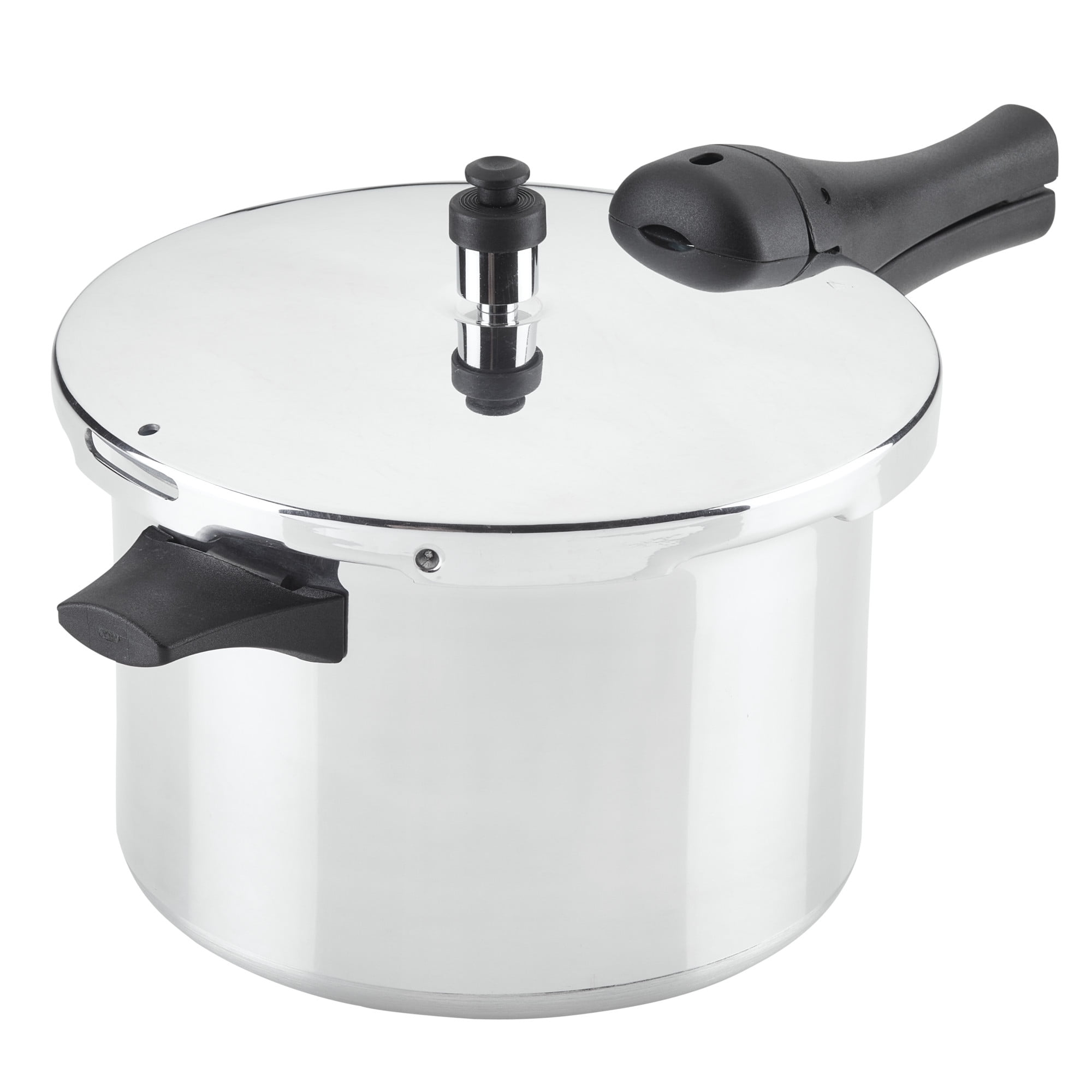
Follow the recipe cooking times carefully. Different foods need different times. Adjust heat to keep pressure steady. Too high heat can overcook food. Too low heat may not cook it fully. Release pressure slowly to avoid overcooking.
Credit: www.walmart.com
Tips For Perfect Meals Every Time
Cooking with a stove pressure cooker can save time and keep food tasty. Small steps make a big difference in the results. Follow these tips to enjoy perfect meals every time.
Using the right methods helps food cook evenly and stay moist. Avoid common mistakes that spoil flavors or textures. These simple rules keep your meals fresh and delicious.
Using The Right Amount Of Liquid
Pressure cookers need liquid to create steam. Use enough water, broth, or sauce for cooking. Too little liquid can burn food or block pressure. Too much liquid can make food soggy or watery. Follow the recipe’s liquid amount exactly for best results.
Layering Ingredients Correctly
Place dense ingredients like meat or root vegetables at the bottom. Softer items like greens or fish go on top. This order helps everything cook well. Avoid mixing heavy and light foods in one layer. Layering controls cooking speed and texture.
Avoiding Overfilling
Do not fill the pressure cooker more than two-thirds full. Overfilling blocks steam circulation and stops pressure build-up. Foods that expand, like rice or beans, need even less space. Leave room for steam to move freely for safe cooking.
Frequently Asked Questions
How Do I Safely Use A Stove Pressure Cooker?
Always check the gasket and valves before use. Add adequate liquid, seal the lid properly, and never overfill the cooker. Release pressure completely before opening to avoid accidents.
What Foods Cook Best In A Stove Pressure Cooker?
Beans, lentils, tough meats, and root vegetables cook well. Pressure cookers retain nutrients and reduce cooking time significantly for these foods.
How Long Should I Cook Food In A Pressure Cooker?
Cooking times vary by recipe, but generally range from 5 to 30 minutes under pressure. Follow specific recipe guidelines for best results.
Can I Use A Stove Pressure Cooker For Canning?
Yes, but only if it is designed for canning. Follow USDA guidelines strictly to ensure food safety during pressure canning.
Conclusion
Using a stove pressure cooker saves time and energy in cooking. It cooks food faster while keeping flavors and nutrients. Always follow safety tips to avoid accidents. Clean your cooker well after use to keep it working right. Try different recipes to enjoy varied meals.
Practice makes using the cooker easy and safe. Enjoy delicious meals with less effort and time. A pressure cooker is a helpful tool in every kitchen.