
Some of the links below are Amazon affiliate links. As an Amazon Associate we earn from qualifying purchases, at no additional cost to you.
You’ve narrowed your search down to three options for lining trays, and now you’re stuck. The mistake people make when choosing between dehydrator sheets vs parchment paper is treating them as the same tool. They aren’t. One is built for airflow, another for high heat, and the third for quick cleanup. You’ll end up with soggy fruit or burnt edges if you pick the wrong one. This guide lays out exactly what each listing promises so you can eliminate two of them today.
| Best Choice | |||
| Preview |  |  | 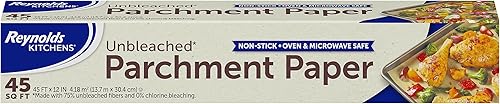 |
|---|---|---|---|
| Product | Mutochy Silicone Dehydrator Sheets | SMARTAKE Parchment Paper Roll | Reynolds Kitchens Unbleached Parchment Paper |
| Brand | Mutochy | SMARTAKE | Reynolds |
| The listing says | Measures 15.7 x 157 inches Cuttable to fit any tray size | 13 inches wide x 278 feet long Non-stick greaseproof silicone coating | 45 feet long by 12 inches wide Made with 75% unbleached fibers |
| More information | Buy on Amazon | Buy on Amazon | Buy on Amazon |
Picking the Right Liner
These three products serve different jobs: one moves air through food, while the other two block moisture on a flat surface.
- Mutochy Silicone Dehydrator Sheets suits anyone drying fruit or jerky, because its fine mesh holes let air pass through.
- SMARTAKE Parchment Paper Roll fits heavy bakers who need length, offering three hundred square feet per roll.
- Reynolds Kitchens Unbleached Parchment Paper works for occasional cooks wanting simple cleanup, since it uses chlorine-free fibers.
If you already know whether you’re drying food or baking it, your choice is practically made.
Mutochy Silicone Dehydrator Sheets: Will air reach my food?
Yes, it will. The Mutochy Silicone Dehydrator Sheets are built with tiny holes measuring about one millimeter across. That fine mesh design lets air move above and below whatever you’re drying. It’s not a solid barrier like baking paper; it’s a net meant to keep small pieces from falling through while moisture escapes.
You’ll start with a single large piece measuring 15.7 by 157 inches. You cut it with scissors to match your specific trays. Once it’s sized, you lay it flat and spread your fruit, herbs, or vegetables directly on top. When you’re done, the maker says you can wash it by hand or put it in the dishwasher. After it dries, you just roll it up for storage. It functions as both a dryer mat and a steamer mesh, so you might use it over boiling water too.
Where this mesh shines
- The one-millimeter holes provide steady airflow for even drying.
- You can cut the silicone into any shape your machine requires.
- It handles fruit leather, beef jerky, grains, and flowers.
- The non-stick surface lets you fold it and pour dried food straight into jars.
- Dishwasher washing is supported according to the listing.
Things to consider first
- Cutting a 157-inch sheet takes some space and patience the first time.
- The listing mentions no maximum temperature limit for ovens.
This is the only option here meant specifically for food dehydration. If you’re making jerky or drying garden herbs, the mesh holes solve the problem of soggy bottoms that solid liners create.
SMARTAKE Parchment Paper Roll: Is there enough for daily baking?
There’s plenty. The SMARTAKE Parchment Paper Roll gives you thirteen inches of width and two hundred seventy-eight feet of length. The seller describes it as twenty percent longer than average rolls, aiming at family kitchens that bake often. It’s designed to lay flat without curling up at the edges when you unroll it onto a tray.
You’ll pull the paper out and use the included slide cutter to get a clean edge every time. The maker notes this cutter prevents tearing noise and keeps fingers safe. Food slides off the surface because of a food-grade silicone coating that blocks grease and leaks. You can use it in the oven up to 450°F, or put it in an air fryer, microwave, or freezer. When you’re finished, the paper goes straight into the trash since it’s made from pure wood pulp. It can be disposed of directly in the trash.
What makes this roll stand out
- The upgraded slide cutter creates smooth, flat edges without tearing.
- A silicone coating stops oil and grease from soaking through.
- Three hundred square feet covers many baking sessions before needing a replacement.
- It withstands temperatures up to 450°F (232°C).
- The unbleached wood pulp carries no added chemicals according to the brand.
Tradeoffs to keep in mind
- It’s a disposable item, so you’ll eventually run out and need another roll.
If your main job is roasting vegetables or baking cookies several times a week, the slide cutter and long length remove the annoyance of uneven tears and constant replacements.
Reynolds Kitchens Unbleached Parchment Paper: How easy is cleanup?
Very easy. The Reynolds Kitchens Unbleached Parchment Paper lines standard sheet pans so food doesn’t stick to the metal. The brand calls it a dependable, non-stick solution for cooking, baking, and microwaving. It’s meant to save you from scrubbing baked-on messes after dinner.
You’ll unroll a wide sheet across your cookie pan or baking tray. The paper handles high oven heat. The listing highlights that it’s made with unbleached fibers and zero chlorine bleaching. Once your food is cooked, you simply lift the paper out and throw it away. There’s no washing required, and your pans stay clean underneath. It works for everyday meals where you just want a reliable barrier between the food and the metal.
Why buyers choose this paper
- Zero chlorine bleaching appeals to those avoiding harsh chemical processes.
- Twelve inches fits most standard home baking sheets easily.
- It’s approved for microwave use alongside regular oven baking.
- The non-stick surface lifts away cleanly after cooking.
Limitations worth noting
- Forty-five square feet runs out much faster than larger rolls.
- The 425°F limit is lower than some competing papers.
This roll suits someone who bakes occasionally and wants a trusted name for basic pan lining. The unbleached fibers address a common worry about unwanted chemicals touching hot food.
How Dehydrator Sheets vs Parchment Paper Compare
Looking at these side by side shows they don’t really compete; they do different jobs. The silicone mesh moves air, while the two paper rolls block it. Choosing between them depends entirely on whether you’re drying food or baking it. If you try to dehydrate strawberries on solid paper, you’ll trap the moisture and ruin the batch.
Which one actually lets air flow?
Only the silicone option has holes. Both paper rolls are solid barriers designed to catch grease and stop sticking. If you’re running a fruit dryer, solid paper defeats the purpose of the machine.
| Airflow Feature | Mutochy Silicone Dehydrator Sheets | SMARTAKE Parchment Paper Roll | Reynolds Kitchens Unbleached Parchment Paper |
|---|---|---|---|
| Mesh Holes | 1mm holes throughout | Solid sheet, no holes | Solid sheet, no holes |
| Primary Purpose | Drying and steaming | Baking and roasting | Baking and microwaving |
| Blocks Liquids | No, liquids pass through | Yes, leakproof coating | Yes, non-stick surface |
Anyone buying a liner specifically for a food dehydrator needs to look only at the first column here.
How much material do you get?
The sizes vary wildly because they’re meant for different habits. A massive roll of silicone gets cut into reusable squares. The paper rolls are measured in total area, with options scaled to how often you bake.
| Total Size | Mutochy Silicone Dehydrator Sheets | SMARTAKE Parchment Paper Roll | Reynolds Kitchens Unbleached Parchment Paper |
|---|---|---|---|
| Dimensions | 15.7 x 157 inches | 13 inches x 278 feet | 12 inches x 45 feet |
| Total Area | About 17 square feet | 300 square feet | 45 square feet |
| Width | 15.7 inches | 13 inches | 12 inches |
Families baking every day will notice the difference in total square footage between the paper options quickly.
Can I wash it or do I toss it?
This is the biggest split in daily life. The silicone gets washed and reused, while the paper goes into the bin after a single use.
| Care Method | Mutochy Silicone Dehydrator Sheets | SMARTAKE Parchment Paper Roll | Reynolds Kitchens Unbleached Parchment Paper |
|---|---|---|---|
| Cleaning | Hand wash or dishwasher | Disposable in trash | Disposable in trash |
| Lifespan | Reusable long-term | Single use per sheet | Single use per sheet |
| Storage | Rolls up easily | Stays on the roll | Stays on the roll |
If you hate adding another item to your dishwashing routine, the paper rolls keep things moving.
What temperatures can they handle?
Heat limits matter if you roast at high settings. The listings give clear numbers for the paper, but leave a gap for the silicone.
| Heat Tolerance | Mutochy Silicone Dehydrator Sheets | SMARTAKE Parchment Paper Roll | Reynolds Kitchens Unbleached Parchment Paper |
|---|---|---|---|
| Maximum Temperature | Not stated | 450°F (232°C) | 425°F |
| Oven Safe | Not stated | Yes | Yes |
| Air Fryer Safe | Not stated | Yes | Not stated |
High-heat roasters should check the temperature limits closely before sliding a tray into a blazing oven.
Making Your Final Decision
Pick Mutochy Silicone Dehydrator Sheets if you own a food dehydrator. It’s the only product here with mesh holes for airflow. You’ll cut it once to fit your trays, wash it after use, and reuse it for everything from beef jerky to dried flowers. Solid paper simply won’t work for this task.
Choose SMARTAKE Parchment Paper Roll if you bake frequently and want less hassle. The slide cutter gives you clean edges without tearing, and the three hundred square feet lasts a long time. It handles higher oven temperatures than the other paper, making it better for roasting vegetables or baking pizza dough.
Go with Reynolds Kitchens Unbleached Parchment Paper if you cook occasionally and prefer minimal materials. The forty-five square feet is plenty for light use, and the chlorine-free process matters to buyers watching what touches their food. It does the basic job of keeping pans clean without extra bulk.
If you’re still torn between the two paper rolls, look at how often you turn on your oven. Daily bakers will run through forty-five square feet fast, making the longer roll the obvious fit. Weekend cooks won’t need that much, and the shorter roll avoids storing a massive box. Decide based on your weekly baking habit, and you’ll have your answer.
Frequently Asked Questions
Can I use regular parchment paper inside a food dehydrator?
You shouldn’t. Solid paper blocks the air circulation that a dehydrator relies on to pull moisture away. The USDA explains that proper dehydration requires consistent airflow around the food to prevent bacterial growth. Use mesh instead.
Do I need to spray oil on these liners before baking?
The listings say no. Both paper rolls feature non-stick surfaces, and the SMARTAKE roll adds a greaseproof silicone coating. The silicone mesh is also described as non-stick, meaning food should release without added oils.
Will the silicone mesh hold liquid batter for fruit leather?
The Mutochy listing says it’s wonderful for making fruit leather, despite having one-millimeter holes. Thick purees likely sit on top of the fine mesh without dripping through immediately. Very thin liquids might seep down until they set slightly.
How do I cut the parchment paper evenly without a slide cutter?
The SMARTAKE roll includes a built-in slide cutter for flat, smooth edges. The Reynolds roll doesn’t mention a cutting tool in its listing. For that one, you’ll likely need kitchen scissors or you’ll tear it by hand along the edge.
Is unbleached parchment paper safer for hot foods?
The Reynolds paper specifies zero chlorine bleaching, while the SMARTAKE paper mentions no additives. Neither listing claims one is safer than the other; they just avoid certain chemical processes during manufacturing.
Can I wash the parchment paper and use it again?
No, both paper listings describe them as disposable items meant for the trash after use. Only the Mutochy silicone mesh is built for washing and reusing. Trying to wash paper will just leave you with a soggy mess.
If you’re stuck between the two paper rolls, count how many times you bake each week. Heavy bakers need the SMARTAKE roll’s extra length and slide cutter, while occasional cooks do fine with the Reynolds roll’s smaller size. Pick the one that matches your routine, line your pan, and start cooking.