
Have you ever wondered how the microwave oven, that quick and handy kitchen gadget you use every day, came to be? It’s more than just a machine that heats your food in seconds—it’s a story filled with surprising twists and a spark of genius.
Understanding how the microwave was invented can change the way you see this common appliance and maybe even inspire you in your own life. Keep reading, and you’ll discover the fascinating journey behind the invention that changed cooking forever.

Credit: www.historyofmicrowave.com
Early Cooking Methods
Before the microwave oven changed cooking, people used simple methods to heat food. These early cooking methods shaped how we prepared meals for thousands of years. Understanding these helps us see why the microwave was a big step forward.
Traditional Heating Techniques
People cooked food using fire. They used open flames from wood or charcoal. Pots and pans sat over the fire to heat food. Sometimes, they buried food in hot ashes or stones. Boiling water in clay pots was common too. These methods worked but took time and effort.
Limitations Before Microwaves
Traditional cooking was slow and uneven. Fire could burn food in some spots and leave others cold. It needed constant attention to avoid accidents. Cooking indoors was smoky and uncomfortable. Heating food again meant more time and fuel. These limits made quick meals difficult.
Credit: www.popularmechanics.com
The Accidental Discovery
The microwave oven came to life through a lucky accident. Its invention was not planned but happened by chance. This section tells the story of that surprising discovery. It shows how simple curiosity led to a new way to cook food quickly.
Percy Spencer’s Background
Percy Spencer worked as an engineer. He was good at fixing and making electronic devices. His job was to improve radar technology during World War II. He spent many hours near machines that sent out radio waves. This work helped him notice unusual things later.
The Magnetron And Its Role
The magnetron is a device that creates microwave radio waves. It was used in radar systems to detect airplanes. This part is important because it produces the energy that heats food. Without the magnetron, the microwave oven would not exist. Spencer understood how this device worked well.
The Chocolate Bar Incident
One day, Spencer stood near a magnetron machine. He had a chocolate bar in his pocket. Suddenly, the chocolate melted without heat from fire or stove. This strange event made him curious. He tested popcorn kernels next. They popped quickly, showing microwaves could cook food fast.
Developing The First Microwave Oven
The development of the first microwave oven marked a major step in kitchen technology. It began with a simple discovery and moved through many tests and improvements. This journey led to a device that changed how people cook food. The process was not easy. Many experiments and problems shaped the microwave oven we know today.
Initial Prototypes
The first microwave oven started as an idea from an engineer named Percy Spencer. He noticed a chocolate bar melted in his pocket near a radar tube. This led him to test microwaves on food. Early models were large and heavy. They used high-powered radar equipment to heat food quickly. These prototypes showed the potential but were not ready for home use.
Challenges Faced
Building a practical microwave oven was difficult. Early devices were expensive and big. They needed a strong power source and safe design. Engineers worked to control the microwave energy safely. They also had to stop sparks and uneven cooking. Finding the right materials and size took time. Many tests helped solve these problems step by step.
First Commercial Models
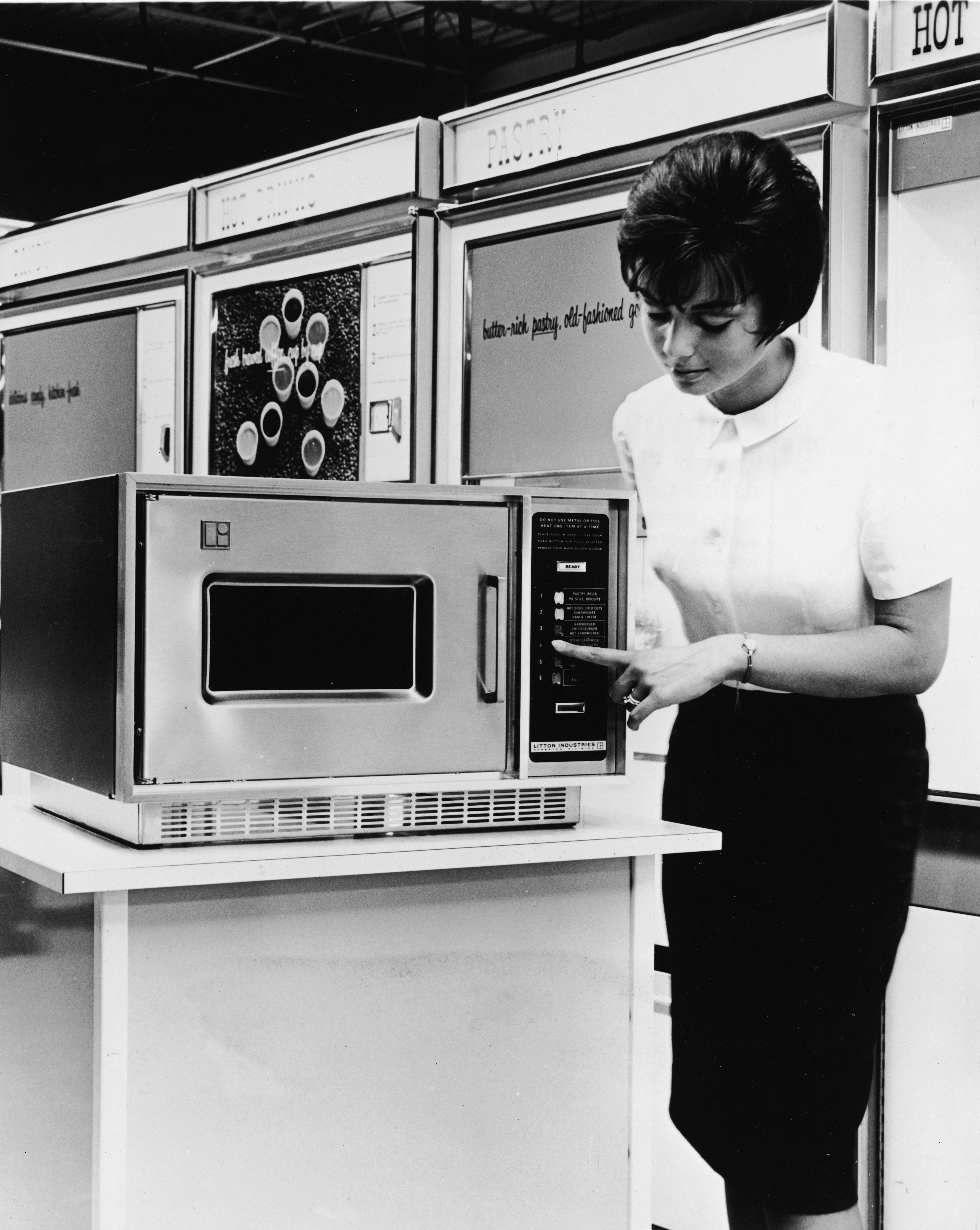
The first microwave ovens sold to businesses in the late 1940s. These models were still large and costly. Restaurants used them to heat food faster than traditional ovens. Over time, companies made smaller, cheaper versions. By the 1960s, microwave ovens entered many homes. They became easier to use and more affordable. This opened the door for the microwave’s success worldwide.
Impact On Cooking And Society
The invention of the microwave oven changed how people cook and live. It brought new speed and ease to kitchen tasks. This device affected daily routines and society in many ways. Cooking became faster, and meals could be ready in minutes. This shift influenced homes, food habits, and even businesses.
Changing Kitchen Dynamics
The microwave oven took less space than many other appliances. It made cooking quicker and simpler. People could heat food without waiting long. This changed how kitchens were designed. Families spent less time cooking and more time together. The microwave also allowed easy reheating of leftovers. It became a central tool in modern kitchens.
Adoption In Households
Microwave ovens became common in many homes. They were especially popular with busy families. The appliance helped save time on meal prep. People used it for snacks, quick meals, and warming drinks. Its ease of use attracted all age groups. Over time, the microwave became a kitchen must-have. It made cooking less stressful for many households.
Influence On Food Industry
The food industry adapted to microwave cooking quickly. Many products were designed for microwave use. Ready meals, frozen dinners, and snacks became widespread. Packaging also changed to fit microwave heating. This shift opened new markets and increased sales. Food companies created items that cooked evenly and fast. The microwave shaped how food was made and sold.
Technological Advances Since Invention
Since the microwave oven was first invented, it has seen many important improvements. These changes make microwaves safer, more energy-efficient, and smarter. The technology inside microwaves keeps growing. This helps people cook food faster and more easily. Below are some key advances that shaped modern microwave ovens.
Improved Safety Features
Early microwaves had simple designs with basic safety. Today, they include many safety measures. Door locks prevent the microwave from running if the door is open. Sensors detect overheating and stop the cooking process. Materials inside the oven are safer and better at handling heat. These features protect users from accidents and burns.
Energy Efficiency Enhancements
Microwave ovens now use less electricity than before. New designs focus on saving energy during cooking. Power levels adjust automatically based on food type and amount. Some models have better insulation to keep heat inside. These improvements reduce electricity bills and help the environment.
Smart Microwave Innovations
Smart microwaves connect to Wi-Fi and apps for easy control. Voice commands allow hands-free cooking. Sensors can detect moisture and temperature for perfect results. Some models even scan barcodes to set cooking time automatically. These smart features make using a microwave more convenient and precise.
Common Myths And Facts
Many myths surround the microwave oven. Some cause fear, while others spread confusion. Knowing the facts helps us use this tool safely and wisely. Let’s clear up some common misunderstandings.
Radiation Concerns
Microwaves use a type of radiation. It is not the dangerous kind. This radiation heats food by moving water molecules fast. It does not make food radioactive or harmful. The microwave oven is safe if used correctly.
Nutritional Impact
Some believe microwaves destroy all nutrients. The truth is different. Cooking in a microwave can preserve vitamins better than boiling. It cooks food quickly, reducing nutrient loss. Microwaving is a good way to keep food healthy.
Microwaves Vs Traditional Cooking
Microwaves cook food faster than traditional ovens. They do not brown or crisp food well. Traditional cooking adds flavor through heat and time. Each method has its uses. Microwaves save time, while traditional cooking can enhance taste.

Credit: www.history.com
Frequently Asked Questions
How Was The Microwave Oven First Discovered?
The microwave oven was discovered accidentally by Percy Spencer in 1945. He noticed a melted chocolate bar near a radar magnetron, leading to microwave cooking experiments.
Who Invented The Microwave Oven And When?
Percy Spencer, an engineer at Raytheon, invented the microwave oven in 1945. He patented the technology shortly after his discovery.
What Technology Powers The Microwave Oven?
Microwave ovens use magnetrons to produce microwaves. These waves heat food by agitating water molecules inside it, cooking food quickly and evenly.
Why Did It Take Time For Microwaves To Become Popular?
Early microwave ovens were large, expensive, and less efficient. Over time, technology improved, prices dropped, and consumer interest grew, leading to widespread use.
Conclusion
The microwave oven changed how we cook and eat food. It started from a simple idea and grew into a common kitchen tool. Thanks to Percy Spencer’s discovery, heating food became faster and easier. Today, almost every home uses a microwave.
This invention saves time and effort daily. It shows how one moment of curiosity can lead to big changes. The story of the microwave reminds us to stay curious and keep exploring. Simple ideas can bring great results.