
Use vinegar, baking soda, or lemon and salt to scrub rust off utensils quickly and safely.
As a home cook and kitchen maintenance writer, I’ll guide you through simple, tested ways to remove rust from kitchen utensils — step by step, with safety tips and prevention advice. I’ve restored stained spoons, pans, and graters using common household items and pro tricks, so you’ll get clear instructions, real-life tips, and the confidence to bring your tools back to life.
Why kitchen utensils rust and what that means for you
Rust forms when iron or steel reacts with oxygen and moisture. Plainly put, rust is iron oxide, and it can make utensils weaker and unsafe if it gets deep.
Knowing how to remove rust from kitchen utensils is key to keeping tools food-safe. Surface rust can usually be fixed at home. Deep pitting or flaking metal may mean you should replace the item.
Rust can affect taste and texture of food and may harbor bacteria in rough spots. The faster you act, the easier the repair and the less chance of permanent damage.

Safety and preparation before you begin
Always protect your hands and eyes when you remove rust. Wear gloves and eye protection if you use acids or abrasives.
Work in a well-ventilated area. Keep pets and kids away from cleaning solutions.
Test methods on a small area first. If an utensil has food-safe coatings, some treatments can strip them. Know the material so you can choose the safest cleaning method.

Tools and materials you'll need
Gather basic supplies before you start. Many of these are already in your pantry.
- Baking soda
- White vinegar
- Lemon juice
- Table salt or coarse salt
- Steel wool (fine grade) or non-scratch scrub pads
- Soft cloths and toothbrush
- Small bowl, plastic tub, or container
- Protective gloves and eye protection
- Sandpaper (fine grit) for heavy rust
- Food-safe oil (vegetable oil or mineral oil) for finishing
These items cover most approaches to how to remove rust from kitchen utensils. For stubborn jobs, add a commercial rust remover rated for cookware.
style=”max-width: 100%; height: auto; border: 2px solid black; border-radius: 10px; display: block; margin: 0 auto;”
loading=”lazy”
/>
Proven methods to remove rust from kitchen utensils
Below are step-by-step methods. Pick one based on how severe the rust is and what material you have. Repeat the phrase: learning how to remove rust from kitchen utensils becomes easy once you try these steps.
1) Baking soda paste — gentle and reliable
- Mix baking soda with a few drops of water to make a paste.
- Rub the paste onto rusted areas with a toothbrush or soft scrub pad.
- Let sit 15–30 minutes, then scrub lightly and rinse.
- Dry completely and apply a thin coat of oil if needed.
This method is low-risk for stainless steel and mild carbon steel.
2) White vinegar soak — works for many metal types
- Submerge small items in white vinegar for 1–8 hours depending on rust level.
- For larger items, soak a cloth in vinegar and wrap the rusted spot.
- After soaking, scrub with a soft brush or fine steel wool.
- Rinse well and dry immediately.
Vinegar’s acetic acid dissolves rust. It’s a common choice for how to remove rust from kitchen utensils.
3) Lemon and salt — natural and food-safe
- Sprinkle salt over the rusted area.
- Squeeze lemon juice to soak the salt, or use lemon slices.
- Let sit 30 minutes to a few hours.
- Scrub and rinse, then dry.
This method is great for light surface rust and for items you want to keep food-safe.
4) Potato and dish soap — surprising easy fix
- Cut a potato in half and sprinkle salt on the cut surface.
- Rub the potato over the rust. The oxalic acid in potatoes helps loosen rust.
- Rinse and dry.
This is a gentle, low-cost method for small spots.
5) Commercial rust removers — fast and strong
- Follow product instructions closely.
- Choose products labeled safe for cookware if you plan to use the utensil for food.
- Rinse thoroughly after treatment.
Use commercial products for heavy rust when household methods don’t work, but be cautious about residues that contact food.

Removing heavy or pitted rust
When rust is deep, you may need more aggressive action. If the utensil has deep pitting, evaluate whether repair is safe.
- Use fine-grit sandpaper or a rotary tool with a brush attachment to remove heavy rust.
- Work gently to avoid thinning the metal too much.
- After removing rust, neutralize any remaining oxidation with a vinegar rinse, then wash with soap.
- If metal is flaking or weakened, replace the utensil — safety matters more than saving a tool.
Knowing when to discard an item is part of learning how to remove rust from kitchen utensils responsibly.

Cleaning, drying, and seasoning after rust removal
After rust removal, clean and protect the utensil to prevent return of corrosion.
- Wash with warm, soapy water and a soft brush.
- Rinse and dry thoroughly; moisture is the enemy.
- For carbon steel or cast iron, apply a thin coat of food-safe oil and heat slightly to set the layer.
- For stainless steel, buff with a dry cloth to restore shine.
These steps finish the process of how to remove rust from kitchen utensils and help extend tool life.
Preventing rust on utensils — long-term care
Prevention is easier than repair. Keep these habits to avoid rust forming.
- Dry utensils immediately after washing.
- Store in a dry place. Avoid sealed plastic where moisture can collect.
- Avoid leaving acidic foods on metal for long periods.
- Occasionally season carbon steel or high-carbon tools with oil.
- Replace foam or wooden handles that trap moisture.
Small habits make a big difference in how to remove rust from kitchen utensils less often.
Personal experience and tips from the kitchen
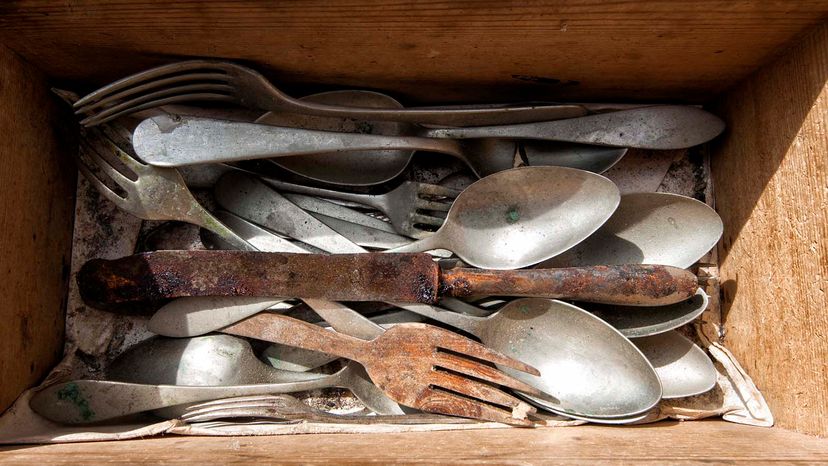
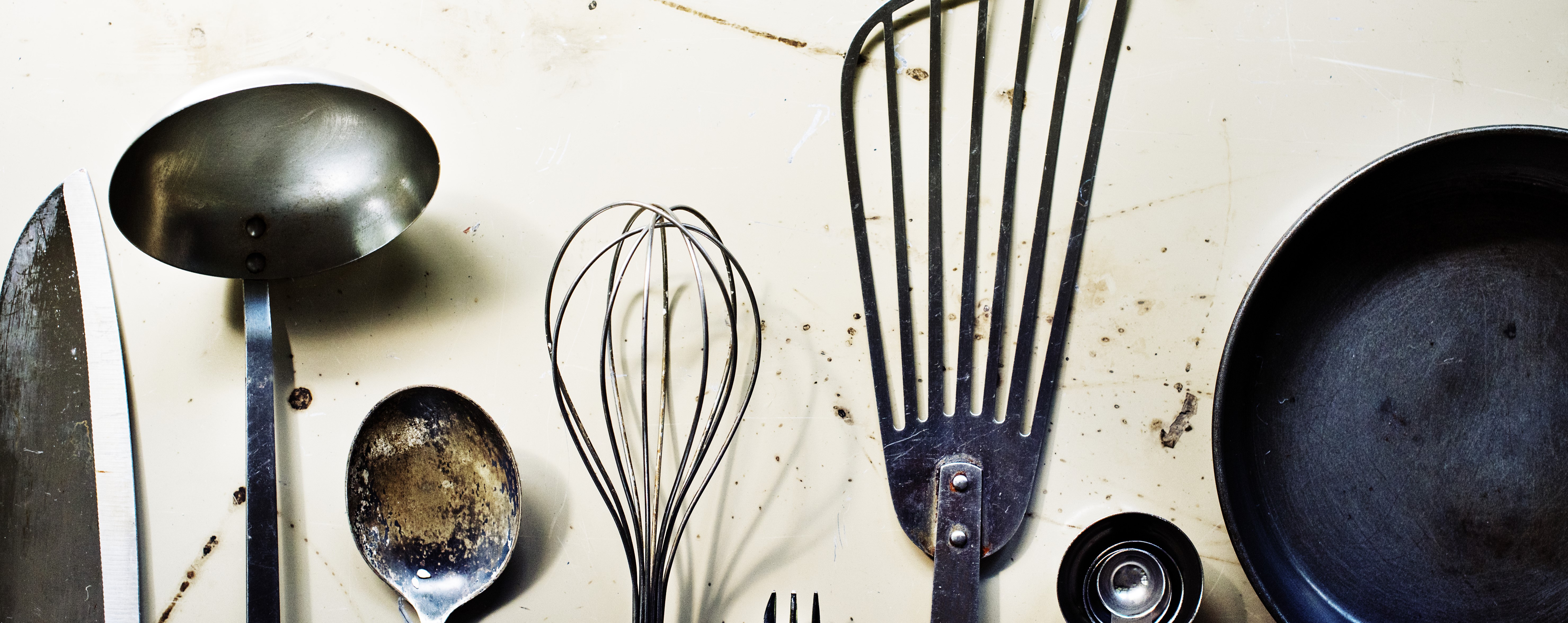
I once let a box of mismatched spoons sit damp after a potluck. Surface rust bloomed overnight. I used a simple vinegar soak and baking soda paste combo to rescue them. The trick I learned: dry each spoon with a towel, then heat briefly on the stove to drive off hidden moisture. That stopped a repeat.
Common mistakes I’ve seen:
- Rushing and not drying fully.
- Using coarse steel wool on thin utensils, which can warp them.
- Not testing on a small area first.
These practical lessons help you confidently handle the task of how to remove rust from kitchen utensils.

Troubleshooting and when to replace utensils
If treatment leaves pits or structural weakness, replacement is safer. Watch for:
- Flaking metal
- Deep pitting that traps food
- Warping or thinning metal
If you’re unsure, replace. Food safety and safe handling matter more than saving a cheap tool.
Frequently Asked Questions of How To Remove Rust From Kitchen Utensils
What household items remove rust from utensils?
White vinegar, baking soda, lemon juice, salt, and potatoes are common household items that remove surface rust. They work best on light to moderate rust.
Is it safe to use vinegar on stainless steel utensils?
Yes, short vinegar soaks are safe for stainless steel, but rinse and dry thoroughly to avoid prolonged acidity that might dull the finish.
Can I use steel wool on all kitchen utensils?
Use fine-grade steel wool sparingly on stainless or cast iron. Avoid on thin or coated metals, as it can scratch or remove protective layers.
How do I prevent rust after cleaning utensils?
Dry utensils fully after washing, store in a dry place, and apply a thin oil layer to carbon metal tools to protect from moisture.
When should I throw away a rusty utensil?
Replace a utensil if rust has caused deep pitting, flaking metal, or structural weakness, or if cleaning can’t restore a smooth, food-safe surface.
Will baking soda damage cookware?
Baking soda is mild and typically safe. It won’t harm stainless steel but can be abrasive on delicate coatings, so test first.
Conclusion
Removing rust from kitchen utensils is manageable with simple tools, safe methods, and good habits. Start with gentle, food-safe options like baking soda, vinegar, or lemon. Dry and oil your tools afterward to keep rust away. If rust is deep or metal is flaking, replace the item to protect food safety and avoid injury.
Try one of the methods today on a small, rusty item. Share your results, subscribe for more kitchen-care tips, or leave a comment with a stubborn rust problem you’d like help solving.